Whimsical Table Decor Ideas to Make Gatherings Feel Special
Cassandras ShopUpdated on: 2026-07-13
Whimsical table decor can turn an ordinary meal into a memorable experience without overwhelming your guests. This guide explains how to choose themes, balance color and texture, and style centerpieces with intention. You will also learn practical placement rules, easy material options, and lighting ideas that elevate the mood. Finally, you will find answers to common planning questions and a clear set of takeaways you can apply right away.
1. Introduction: Why playful dining styling matters
2. Did You Know? Small details create strong impressions
3. Choosing whimsical table decor themes that feel cohesive
4. Expert Tips: Build a balanced centerpiece and table layout
5. Placement rules that keep the table functional
6. Add atmosphere with lighting and reflective accents
7. Personal Anecdote: How I refined my styling approach
Introduction: Why playful dining styling matters
Whimsical table decor is an intentional mix of charm, color, and personality that makes guests feel welcome from the first glance. It does not require elaborate planning or expensive materials. The goal is to create a mood that supports conversation and enhances the meal. When decor is thoughtful, it can also reflect cultural traditions, seasonal themes, or personal storytelling.
In practical terms, this style works because it guides attention. Guests notice the centerpiece first, then the place settings, and finally the small accents. When those elements relate to one another, the table feels coordinated. When they do not, it can feel busy or uncertain. This article focuses on how to plan a cohesive look, how to avoid common styling errors, and how to build a system you can reuse for future gatherings.
Did You Know? Small details create strong impressions
- Visual rhythm matters: repeating one or two colors across the table improves cohesion.
- Height creates depth: layered elements (flat linens, medium holders, taller accents) make the scene look curated.
- Touch points guide comfort: napkin folds, utensil spacing, and easy-to-reach serving items reduce friction.
- Lighting changes everything: softer, warmer light makes playful design feel inviting.

Layered colors and varied heights for a cohesive look
Choosing whimsical table decor themes that feel cohesive
The fastest way to create a harmonious table is to choose a theme that provides direction. A theme is not a rule; it is a filter. Start with one organizing idea, then select complementary elements rather than collecting unrelated pieces.
Begin with a mood, then add motifs
Instead of starting with objects, start with a mood. For example, a “garden day” mood often supports greens, florals, soft pastels, and gentle textures. A “coastal calm” mood supports blues, natural fibers, wave-like patterns, and reflective surfaces. After you define the mood, add motifs such as tiny animals, playful icons, or nature-inspired shapes. Those motifs should appear in more than one place so the table feels unified.
Use a simple color strategy
Three-color planning is reliable. Choose one main color, one supporting color, and one accent. Main colors cover the largest surfaces, such as table linens and plate tones. Supporting colors appear in napkins, runner fabric, or smaller accents. The accent color should show up sparingly to highlight key details.
Match textures to the season
Texture is where whimsical decor becomes memorable. For warmer seasons, lightweight fabrics and airy accents work well. For cooler seasons, consider richer tones and more structured materials. Texture also impacts how colors appear under lighting, which means your table can look different depending on time of day.
Plan your focal point before the rest
Every well-styled table has one focal point. This is often the centerpiece, but it can also be a decorative tray, a statement runner, or a themed display near the host. Once the focal point is defined, place secondary items around it with consistent spacing.
Expert Tips: Build a balanced centerpiece and table layout
Experts often emphasize that decor should be both attractive and practical. Use the centerpiece as the anchor, then design the rest of the layout to support ease of use. The best tables feel effortless while still appearing intentional.
Use the “one anchor, two layers” approach
Choose a single anchor element for height, such as a decorative holder or a stacked arrangement. Then add two layers of supporting pieces. The first supporting layer can be medium-height items like napkin details or small holders. The second layer can be fine-textured accents such as confetti-like sprinkle decor, patterned elements, or small directional markers.
Keep scale appropriate for guest movement
If guests must reach across the table, large items should be placed strategically. Aim for a centerpiece that is tall enough to be seen but not so wide that it blocks dishes or serving ware. If you use multiple items, consider arranging them in a line rather than spreading everything randomly.
Coordinate place settings without making them identical
Consistency feels polished. That does not mean every setting must match exactly. Consider repeating a single design element, such as a color band, a pattern type, or a thematic icon, while varying the texture or the placement of smaller accents.
Include a serving-friendly accessory
Whimsical design can still prioritize function. Choose decorative elements that do not interfere with serving. For instance, a themed tray for utensils or a decorative holder for napkins can support flow. When the table is easy to navigate, guests spend more time enjoying conversation.
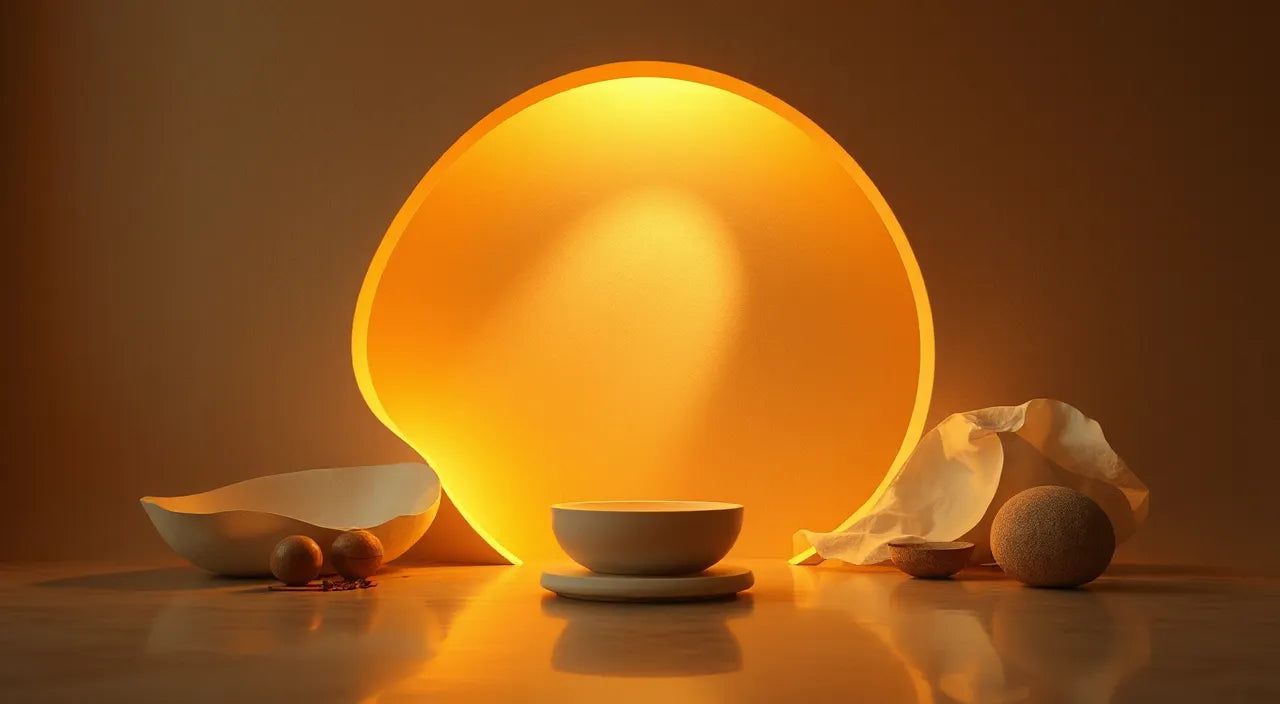
Warm light glow highlighting reflective accents and centerpiece depth
Placement rules that keep the table functional
A whimsical table can still respect real-life dining needs. Placement is where many styles fail, even when decor items are attractive. The solutions are simple: control spacing, protect access, and avoid clutter.
Use clear zones
Create zones for eating, serving, and visual focus. Eating zones include plates, utensils, and glasses. Serving zones include central platters, bowls, and shared items. The visual focus zone is where the centerpiece and the main theme should sit. When zones are clear, guests do not feel crowded.
Leave space for hands and utensils
Place decorative pieces slightly back from plate edges. Guests should not have to angle their hands around decorative items. If you include small figurines or themed accents, keep them on the outer portion of the table or behind glassware so they do not interfere with movement.
Keep symmetry simple, not strict
Symmetry can feel elegant. It can also become rigid. A practical approach is to use partial symmetry, such as matching napkin colors on both sides while allowing the centerpiece to be asymmetrical. This maintains balance without forcing identical objects.
Consider the sightline from every seat
Guests are rarely seated in one perfect line. Check the table from the perspective of multiple seats. Your centerpiece should be visible without blocking the view of conversation. Taller elements may be best placed toward the middle background rather than directly in front of each guest.
Add atmosphere with lighting and reflective accents
Lighting turns whimsical table decor from decorative into immersive. Even modest centerpieces can look refined when light is handled well. The aim is to create a gentle glow, not harsh illumination.
Choose warm tones for an inviting feel
Warm light flatters skin tones and softens bold colors. It also makes textures look richer. If you plan evening gatherings, prioritize warm lighting because it supports comfort and conversation.
Use reflective materials sparingly
Reflective accents can increase visual interest. However, too much reflection can create glare. One controlled source of shine, paired with matte textures like linens, tends to look balanced.
Consider themed night-light style accents
For events that extend into the evening, subtle illumination can support your theme while remaining unobtrusive. If you want a whimsical approach, select a design concept that matches your motif and style it near the table edges so it does not block sightlines. You can also use it to create a gentle highlight behind centerpieces.
For inspiration on animal-themed ambiance, you may explore seasonal options such as blue heron night lighting or barn owl night lighting. These selections can complement nature-forward themes and offer a consistent visual rhythm when paired with complementary colors.
Personal Anecdote: How I refined my styling approach
I once hosted a gathering where I focused heavily on individual pieces. I selected bright accents, multiple decorative icons, and several small additions that each looked charming on their own. The table looked festive, but it felt chaotic once everything was placed. Guests moved dishes around the decor without meaning to, and my centerpiece did not read as the focal point.
After that experience, I shifted to a more structured method. I chose one mood first, then limited my color palette to three tones. I also decided on one anchor centerpiece and built two supporting layers around it. Finally, I checked the sightline from different seats so the theme supported conversation rather than competing with it.
The result was a table that felt whimsical but calm. I was able to reuse the same planning system for different seasons simply by swapping the motif details and adjusting the texture and lighting. That repeatable process is the difference between “decor that looks good” and “decor that works.”
Summary & Takeaways: Make it easy and repeatable
Whimsical table decor succeeds when it has direction, balance, and functional placement. Start by defining a mood and selecting a theme that can appear in more than one element. Use a three-color strategy, vary heights for depth, and keep serving access clear. Finally, use warm lighting and controlled reflective accents to create an inviting atmosphere.
- Choose one mood, then align motifs and colors to it.
- Plan a single focal point and build two supporting layers.
- Keep decorative items from blocking utensils, hands, or conversation.
- Use warm illumination to enhance textures and soften bold colors.
If you want additional inspiration, explore themed ambiance ideas across the cassandrasshop.com collection for motif-based styling guidance, including koi-themed night lighting and snowy owl night lighting.
Q&A Section
How can I keep whimsical decor from looking cluttered?
Clutter usually comes from too many independent focal points. Use one anchor centerpiece, limit your color palette to three tones, and repeat your main motif in at least two areas. Keep smaller accents spaced consistently and place them toward the table edges or behind plates and glassware so they do not compete with place settings.
What is the easiest centerpiece style for a first-time host?
A layered centerpiece is often the easiest. Begin with an anchor element for height, then add two supporting layers using complementary colors or textures. Choose materials that are light and easy to maintain. Confirm that the centerpiece stays visible without blocking sightlines, especially for guests seated at opposite sides of the table.
Which lighting approach works best for evening meals?
Warm, gentle lighting is the most universally flattering choice. Use it to create a soft glow behind or around your centerpiece rather than shining directly into guests’ eyes. Pair lighting with matte linens and a small amount of reflective detail to achieve depth without glare.
How do I match table decor to different events without starting over?
Use a consistent structure and swap only the theme details. Keep your planning system stable: one mood, three colors, a focal point, and two supporting layers. Then update motifs, patterns, and texture choices based on the occasion. This approach saves time while still producing a distinct look each time.
About Author
Cassandras Shop is a curated retail and content experience specializing in motif-driven home decor and event-ready styling concepts. Our expertise focuses on practical aesthetics: balancing color, texture, and placement so your table looks intentional and feels welcoming. You can expect guidance rooted in repeatable design principles and guest-friendly presentation. Thank you for reading, and may your next gathering feel both charming and well organized.
The content in this blog post is intended for general information purposes only. It should not be considered as professional, medical, or legal advice. For specific guidance related to your situation, please consult a qualified professional. The store does not assume responsibility for any decisions made based on this information.