Unique Kitchen Textiles: Style Tips for Everyday Use
Cassandras ShopUpdated on: 2026-06-12
Unique kitchen textiles combine function and style in everyday cooking spaces. The right materials can improve comfort, absorb spills, and reduce odors from daily use. Thoughtful design choices also support cleaning routines and long-term durability. This guide explains how to select, care for, and style textiles that fit real kitchen workflows.
1. What unique kitchen textiles mean
2. Product Spotlight: High-impact towel and mat sets
3. Step-by-Step How-To: Choose the right textiles
4. Personal Experience: A simple switch that changed my routine
What unique kitchen textiles mean
Unique kitchen textiles are designed pieces that go beyond basic utility. They add visual character, but they also perform better in everyday tasks such as drying hands, wiping counters, lining shelves, and covering food. In a kitchen, textile performance is not optional. Fabric weight, weave structure, and fiber type influence absorbency, lint control, and drying speed.
Many kitchens include repetitive patterns, neutral tones, and uniform materials. Unique kitchen textiles break that sameness with color harmonies, texture contrast, and intentional placement. This does not mean clutter. It means choosing textiles with a clear purpose and a design direction. When textiles match your cooking pace and household needs, they create a calmer, more organized space.
For SEO and shopping intent, it helps to evaluate textiles through a few practical lenses: material, weave, care demands, and how the piece supports your daily workflow. When you understand those factors, you can shop with confidence and avoid items that look attractive but underperform.
Product Spotlight: High-impact towel and mat sets
A strong starting point is a coordinated set of kitchen towels and protective mats. These items anchor the most frequent surfaces in your kitchen. They also create a visual framework that other textiles can follow. The best sets balance absorbency and structure so they can handle frequent washes without becoming thin or rough.
Look for textiles that offer:
- Reliable absorbency for wet hands, spills, and dish routines.
- Fast drying to reduce lingering moisture odors.
- Stable edges and strong stitching for long service life.
- Texture variety so one fabric can wipe and another can dry without smearing.
If you prefer a playful accent while keeping the kitchen cohesive, consider how themed visuals can fit your color system. For example, decorative lighting can inspire a “mood” in the kitchen, even if it is not textile-related. Some customers also pair seasonal decor with kitchen basics to maintain a consistent theme.
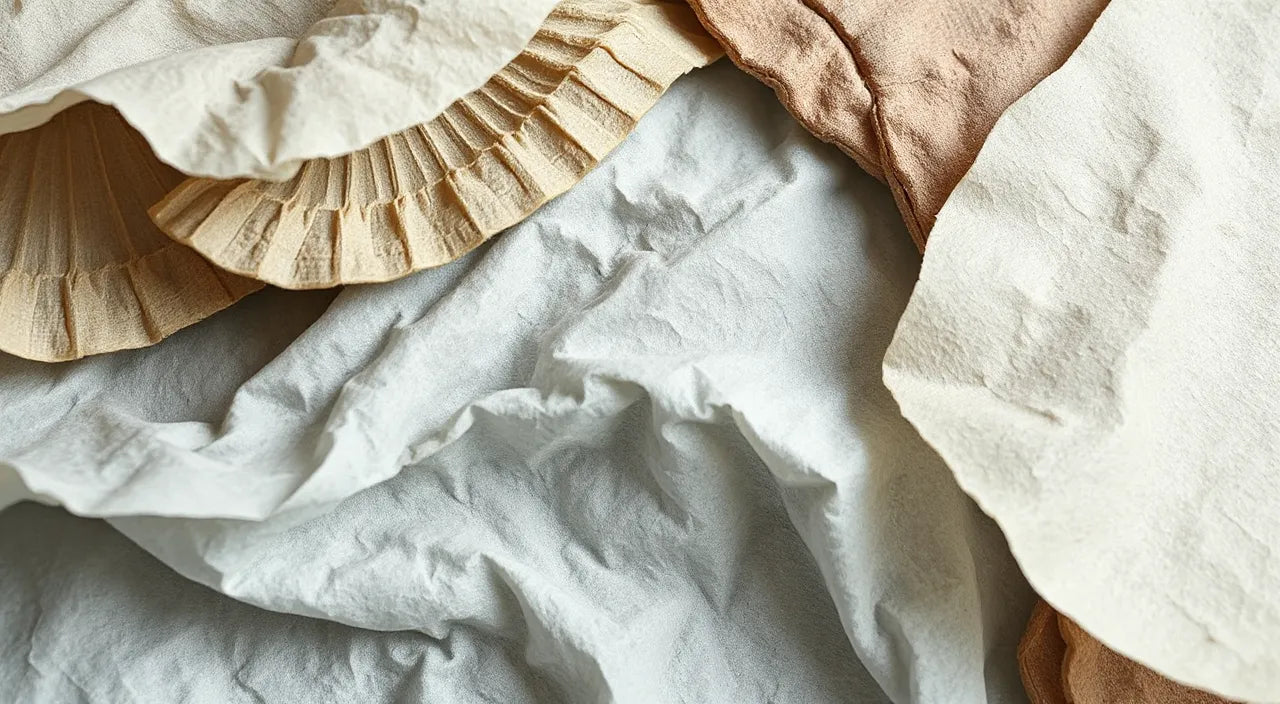
Layered textures suggest absorbency and tidy organization
When building your collection, you do not need to purchase everything at once. Start with the textiles that touch the most surfaces, then expand into specialty uses such as drawer liners, table runners, and protective cloths. This approach reduces waste and improves consistency across your kitchen.
To keep shopping decisions efficient, you can review complementary home accessories on a single brand site. For example, you may explore decorative night lighting options that match your kitchen color mood. If you want to browse a specific direction, consider these ceramic night light products: Blue heron night light and Barn owl night light. Textiles and lighting work together when you align tones and textures rather than chasing random styles.
Step-by-Step How-To: Choose the right textiles
The selection process becomes easier when you use a repeatable method. The goal is to find unique kitchen textiles that are both attractive and resilient under real daily conditions. Use the steps below as a practical checklist.
Step 1: Identify your kitchen tasks
Begin with a short list of what your textiles must handle. Drying hands, wiping counters, cleaning glass, and protecting surfaces each benefit from different fabric behaviors. If your kitchen sees frequent cooking, prioritize absorbent materials and quick-drying weaves. If you host often, prioritize textiles that look polished after normal wear.
Step 2: Choose fibers based on performance and care
Fiber type affects lint, drying time, and comfort. Cotton towels are common because they balance absorbency and softness. Linen blends can feel refined and offer good surface texture. For busy households, look for blends that maintain shape after repeated washing. Always review care guidance so you select textiles that match your laundry routine.
Step 3: Evaluate weave and weight
Weave and weight determine how textiles behave on contact. A tighter weave often controls lint and supports glass cleaning. A heavier towel can be more absorbent for spills. A lightweight fabric may work better for seasonal accents and surface protection. If you are unsure, select one “workhorse” fabric and one “finish” fabric, then adjust based on results.
Step 4: Confirm size and coverage
Unique kitchen textiles should match their use area. A towel should reach your sink edge comfortably. A runner should align with table length or counter segments without dragging. When sizes fit correctly, you reduce unnecessary friction and wash frequency.
Step 5: Build a cohesive color and texture plan
A cohesive plan improves visual impact without overloading the space. Start with one dominant color and one supporting neutral. Then add texture contrast through weave or pattern scale. If you use a themed accent in another area, such as ceramic decor, mirror at least one tone in your textile selection. This creates a consistent “design language” across the kitchen.
Step 6: Test wash and drying behavior before scaling up
Before buying multiple pieces, wash one item according to the care instructions. Evaluate drying time, softness after wash, and whether the fabric sheds lint. This small test helps you avoid the cost of replacing textiles that do not perform as expected.
If you want inspiration for pairing everyday style with thoughtful craftsmanship, you may enjoy this resource on artisanal design principles: Handcrafted Leather Leashes for Timeless Everyday Style. While it focuses on a different product category, the underlying concept remains the same: quality details influence daily comfort.
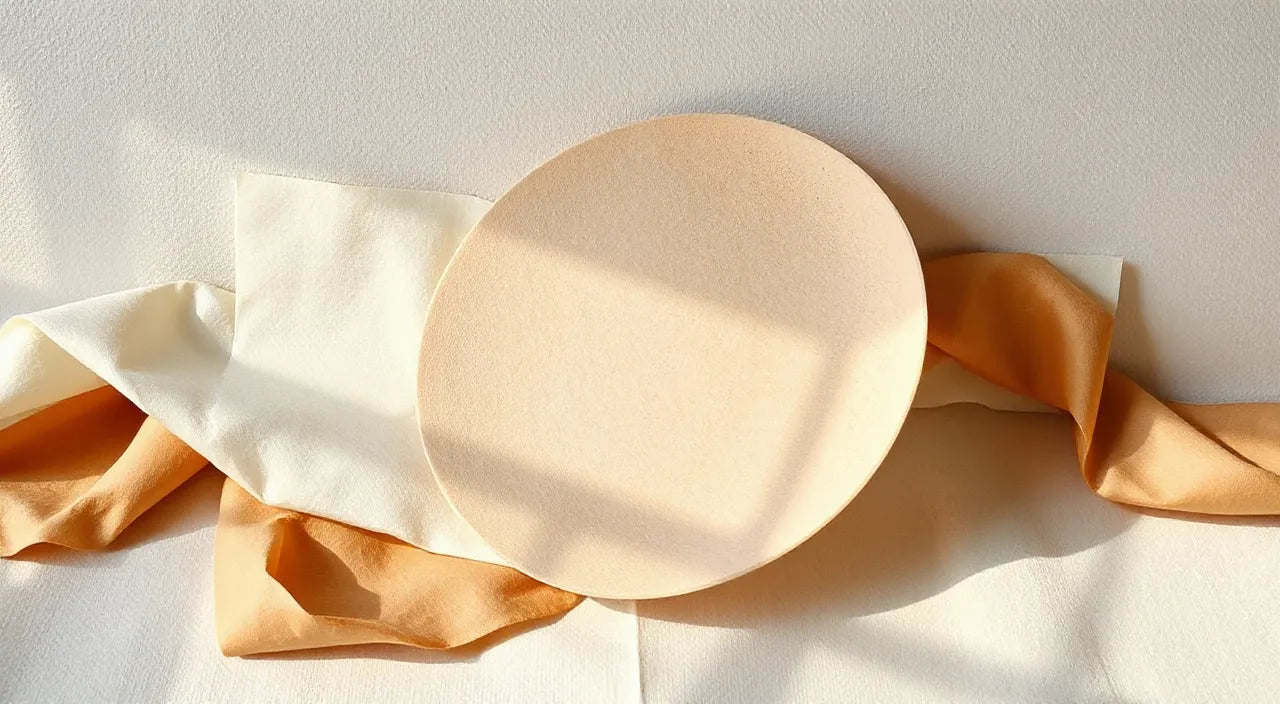
Color-coordinated swatches show texture contrast and harmony
Step 7: Match textiles to your cleaning routine
Textiles can either streamline cleaning or create extra effort. If you prefer quick laundry cycles, select fabrics that tolerate frequent washing without loss of structure. If you use microfiber for certain tasks, reserve your cotton or linen textiles for drying and finishing. This division of roles limits cross-contamination of lint and reduces streaking on smooth surfaces.
Step 8: Prioritize durable edges and smart construction
Edges matter in kitchens. Fraying corners can become a maintenance issue. Look for neat stitching, reinforced hems, and consistent sizing. Good construction supports longevity and keeps textiles looking presentable for longer.
Personal Experience: A simple switch that changed my routine
I used to rely on a rotation of basic dish cloths that looked fine on day one and felt rough by day thirty. The pattern was consistent: I purchased for appearance, then replaced items sooner than expected. After I focused on absorbency and drying speed instead of only color, my kitchen workflow became calmer. The difference was not dramatic in a single moment. It was noticeable over time.
I started by selecting two categories of towels: one heavier option for spills and one lighter option for finishing tasks. I also paid attention to how each textile behaved after washing. The towels that dried faster stayed fresher for longer, and the kitchen felt cleaner between laundry days. That change also improved the way I stored textiles; I kept drying cloths separated from pantry-liners so moisture did not migrate into other items.
That personal shift is why I recommend choosing unique kitchen textiles with a clear performance goal. Design is important, but it should not force you into repeated replacement cycles. When textiles meet both needs, your kitchen becomes more organized without feeling overdone.
Summary & Recommendations
Unique kitchen textiles are best understood as functional design tools. They improve comfort, support cleaning, and create a cohesive look that reflects your daily habits. If you want reliable outcomes, focus on material choice, weave behavior, and care compatibility. Then create a simple plan for color, texture, and placement.
Here are the key recommendations:
- Start with high-impact items such as towels and protective mats that support daily tasks.
- Select fibers and weaves that match your cleaning routine and drying expectations.
- Use a cohesive color system so textiles look intentional, not random.
- Test one item in your laundry routine before scaling up to a larger collection.
- Choose construction details such as reinforced edges to reduce wear and replacement frequency.
When you follow this approach, unique kitchen textiles become a long-term investment rather than a short-lived accessory. Your kitchen will look better, feel more organized, and perform more consistently.
Q&A Section
How do I know whether a kitchen textile is absorbent enough?
Absorbency depends on fiber type and weave structure. A practical method is to run a small at-home test: apply water to a small section and observe how quickly the fabric spreads and absorbs. Also check care guidance; fabrics that maintain their structure after washing often provide more consistent absorption over time.
What is the best way to prevent lingering odors in kitchen textiles?
Odors usually come from trapped moisture and residue. Choose quick-drying fabrics when possible, wash towels regularly, and allow textiles to dry fully before storage. Separate drying items from shelf liners or storage cloths so moisture does not transfer to other materials.
Can unique kitchen textiles work in small kitchens without making the space feel busy?
Yes. The key is to limit competing patterns and use a clear visual hierarchy. Choose one main color direction, then add texture contrast through fabric weave rather than multiple unrelated prints. Also keep textile placement consistent, such as aligning towels and runners with the same general color tones.
What should I do if my textiles shed lint or streak glass?
Lint shedding often relates to weave tightness or fabric aging. Use towels with tighter weaves for tasks that require a clean finish. For glass, reserve a finishing cloth for that purpose and wash it separately if your routine allows. If streaking persists, reassess fabric condition and follow care instructions carefully.
About the Author
Cassandras Shop is an editorial and product-focused brand specializing in home essentials, kitchen organization, and design-aware textile selection. The team brings expertise in practical home shopping and fabric performance considerations, with a focus on durable, everyday usability. This article is written to help customers make informed choices that support comfort, cleanliness, and style.
Thank you for reading and for investing in a more intentional kitchen experience. If you apply the checklist and care guidance in this guide, you should see steady improvements in both function and appearance.
Disclaimer: This article provides general guidance for selecting and caring for home textiles. Always follow the care instructions supplied by the manufacturer for each product, and use textiles responsibly for their intended purposes.
The content in this blog post is intended for general information purposes only. It should not be considered as professional, medical, or legal advice. For specific guidance related to your situation, please consult a qualified professional. The store does not assume responsibility for any decisions made based on this information.