Themed Cooking Accessories: Style Your Kitchen
Cassandras ShopUpdated on: 2026-07-17
The right themed cooking accessories can turn ordinary meals into experiences with clear visual direction and consistent style. They also make routines easier by organizing tools and supporting repeatable plating and serving. When you match accessories to a cooking theme, you reduce decision fatigue and create a stronger sense of hospitality. This guide explains practical selection criteria, pairing ideas, and care tips that support long-term use.
Table of Contents
Benefits & Reasons
Themed cooking accessories help you bring structure to both the preparation stage and the serving stage. When your tools, serving pieces, and decorative elements share a theme, you create a cohesive experience that feels intentional rather than improvised.
One advantage is reduced clutter. Instead of scattering items across drawers, you can choose accessories with clear roles. For example, themed storage organizers can separate frequently used utensils from specialty items. As a result, you spend less time searching and more time cooking.
Another benefit is stronger presentation. A consistent color palette, pattern, or motif can make plated food look more carefully designed. Even simple dishes can appear more inviting when serving trays, napkin holders, or table accents align with the same visual language.
Themed sets can also support hospitality. Guests interpret theme consistency as attention to detail. This matters in everyday entertaining, not only for major celebrations. When your serving setup is predictable and refined, it becomes easier to host with confidence.
Finally, these accessories can encourage repeatable cooking rituals. When each accessory has a defined place and purpose, you improve workflow. That improvement is especially valuable during busy seasons when meal preparation must stay efficient.
Symbolic kitchen flow lines and organized tool zones
How to Choose Themed Cooking Accessories
Selection should be practical first. A theme that looks good but does not function well will not deliver long-term value. Begin by identifying what you want the accessories to do. Some people focus on table presentation. Others focus on storage, portioning, and serving control. Most benefit from addressing both.
Start with your dominant use case
Ask which stage needs the most support. If your kitchen workflow is chaotic, prioritize organizers, utensil holders, and modular serving containers. If your meals often look “almost right,” prioritize plating and serving components that help you create consistent portions and repeatable arrangements.
Choose a theme that matches your lifestyle
A theme should reflect how you already cook. If you prepare meals in small batches, choose accessories that do not require complex setups. If you frequently host, select pieces that scale visually and physically, including serving platters and coordinated serving accents.
Balance visual style with everyday ergonomics
Accessories should be easy to access and comfortable to use. Consider handle shape, rim height, and whether a piece can be nested or stacked. Visual design matters, but friction in daily use reduces adoption and increases clutter.
Evaluate material performance
Materials affect cleaning speed, durability, and how well items tolerate heat. For accessories that contact food or get splashed during preparation, prioritize surfaces that are easy to wipe and compatible with your standard cleaning routine. For decorative pieces, prioritize stable finishes that resist fading from routine exposure.
Confirm compatibility with your table and serveware
Do not treat themed accessories as an isolated system. They should work alongside existing plates, bowls, and serving dishes. Aim for alignment through color harmony, pattern scale, and contrast. A theme that competes with your dishware will be harder to integrate.
To extend your themed kitchen concept without overloading your space, consider selecting one “anchor category” first, such as table lighting, a centerpiece accent, or a small group of serving items. Then add complementary pieces later.
For example, themed ambient lighting can reinforce an overall dining mood. If you want a subtle, decorative night-time accent that aligns with a playful theme, you may explore options like these night light designs: Koi fish night light and Barn owl night light. These are best viewed as atmosphere builders rather than functional cooking tools.
Theme Matching: From Kitchen Workflow to Table Presentation
A theme is not only a decorative layer. When done correctly, it shapes your workflow and improves the final look of your table. Start at the kitchen stage and move forward.
Use the theme to define roles for each accessory
Every accessory should have a job. Serving pieces support portion transfer. Decorative elements set mood. Storage items reduce search time. When each item has a distinct role, the theme remains organized instead of turning into visual noise.
Align colors through contrast, not exact duplication
Exact matches are not required. A practical approach is to select one dominant color, one supporting color, and one neutral tone. The dominant tone should appear in your most visible elements, such as serving trays or table accents. Supporting tones can appear in napkins or smaller decorative pieces. Neutrals prevent the theme from becoming overwhelming.
Match pattern scale to your dish sizes
Large patterned pieces can dominate a crowded plate. Smaller motifs often blend better with food textures and garnish. When your dishes are visually busy, keep accessory patterns calmer. When dishes are minimal, a stronger pattern can create appealing contrast.
Plan for lighting and viewing distance
Table presentation changes under different lighting conditions. Warm indoor lighting makes many colors appear richer, while cooler light can reduce contrast. If your themed accessories include any decorative lighting or atmosphere elements, place them where guests can see them comfortably without distracting from the food.
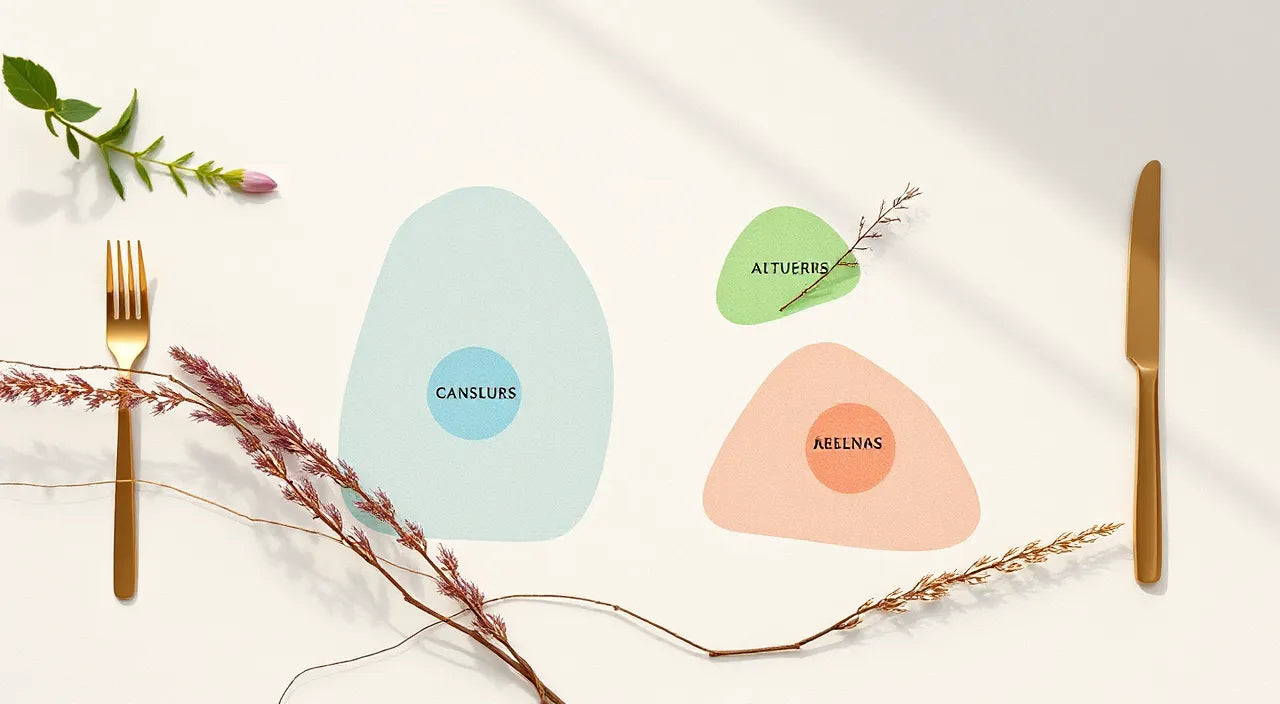
Table layout map showing theme colors and serving zones
Theme matching also supports seasonal flexibility. You can keep your base serving system and rotate a few theme-aligned details. This approach reduces spend and prevents the kitchen from becoming a “storage museum” of rarely used pieces.
Setup Rituals That Improve Cooking Consistency
Consistency is a design outcome, not an accident. Themed cooking accessories can guide your routine so you repeat good results. Use small rituals that do not require additional time, only better organization.
Create a themed station for prep
Dedicate a small area for chopping, portioning, and quick cleanup. Place your most used themed accessories within arm’s reach. When you keep the same items in the same spots, your hands learn the layout. That reduces hesitation during critical steps such as seasoning, plating, and transferring food from pan to plate.
Use a “sequence rule” for serving
Serving can feel chaotic if tools are staged in random order. Apply a sequence rule. For example, stage the largest serving tray first, then bowls, then garnish containers. When guests arrive, you follow the same path every time.
Standardize portion control with repeatable tools
Themed accessories can include practical items such as portioning measures, condiment organizers, or serving containers with consistent volumes. Even if the theme is decorative, the underlying function should be measurable and repeatable.
Design a consistent finishing step
A themed finishing step creates a signature. It can be as simple as placing a garnish in the same location on every plate or using the same serving accent for sauces. These predictable details make meals feel more polished, even when the recipe is familiar.
When you want atmospheric enhancement for dining evenings, you can also use theme-aligned decor that does not compete with the food. Decorative night lighting can support a calm, welcoming environment. If you prefer a specific animal motif that fits a playful kitchen theme, you can explore options such as Tawny owl night light and Snowy owl night light.
Care, Storage, and Longevity
Longevity depends on maintenance habits. The easiest system is one that matches how you already clean. Themed accessories should not introduce special routines that you cannot sustain.
Follow cleaning guidance by category
Separate accessories into categories: food-contact pieces, splash-contact pieces, and decorative-only items. Food-contact accessories need consistent cleaning to prevent residue build-up. Splash-contact items require quick wipe-down after cooking. Decorative-only items can be maintained with gentle dusting.
Avoid abrasive friction on finishes
Many themed items rely on printed patterns or polished finishes. Abrasive scrubbers can dull surfaces and shorten visual life. Use soft cloths, non-abrasive cleaners, and appropriate drying time.
Store by function, not just by theme
Theme-based storage can look good, but functional storage reduces time. Keep frequently used accessories in easy-access bins. Store rarely used decorative pieces in protective containers to prevent scuffs. If you combine items in one drawer, make sure they fit without forced stacking.
Inspect attachments and handles
Handles, edges, and any removable parts should be checked periodically. Tighten or repair where relevant. When small components fail early, the whole themed system loses its usability.
Keep a simple “refresh list”
Once or twice per season, run a quick refresh checklist. Replace worn liners, re-clean storage containers, and confirm that your themed serving tools remain aligned with your workflow. This prevents gradual deterioration from affecting presentation.
Maintenance is also where themes pay off economically. A well-chosen set should remain visually coherent and functionally reliable for years. If a piece frequently feels inconvenient or requires excessive care, it will be replaced sooner than planned.
FAQ
Are themed cooking accessories practical for everyday meals?
Yes. The most practical approach is to focus on one or two functional categories, such as serving and organization. When accessories support faster setup and cleaner presentation, they become part of daily routines rather than occasional decoration.
What is the best way to match a theme with existing dishware?
Use color harmony and balanced contrast instead of insisting on exact matches. Choose one dominant color that appears in your most visible accessory. Then select supporting accents that complement your plates. Keep pattern scale in mind so that food textures remain the main visual focus.
How many themed accessories are enough to create a cohesive look?
A cohesive look usually starts with a small set. Prioritize an anchor category, such as serving or table accents, and add complementary pieces only when they support a clear workflow purpose. You can expand later without creating clutter or complicating storage.
Final Thoughts & Recommendations
Themed cooking accessories offer more than visual appeal. They provide operational clarity, improve consistency, and help you host with a confident, organized setup. By selecting accessories that match your real workflow and by caring for them properly, you protect both performance and appearance over time.
If you want an evidence-based starting point, choose one theme anchor category, align colors through contrast, and ensure each accessory has a defined role. Then build outward only when new pieces reduce friction or strengthen presentation.
When you are ready to refine your dining atmosphere, you can explore theme-aligned accents through Bluefin tuna night light or Blue heron night light as decorative companions. Treat these as ambiance tools, while keeping functional prep and serving accessories as your core system.
Disclaimer: This article provides general guidance for selecting and maintaining kitchen-related accessories. Product availability, specifications, and compatibility vary by manufacturer and should be confirmed on product pages before purchase.
About the Author
Cassandras Shop is a home and lifestyle-focused shop with expertise in curated theme-driven decor and practical dining atmosphere ideas. The author team specializes in helping customers build cohesive, functional setups that elevate everyday meals. With a focus on organization, presentation, and long-term usability, the guidance here reflects an end-to-end approach to kitchen aesthetics. Thank you for reading, and may your next meal feel more intentional and inviting.
The content in this blog post is intended for general information purposes only. It should not be considered as professional, medical, or legal advice. For specific guidance related to your situation, please consult a qualified professional. The store does not assume responsibility for any decisions made based on this information.