Stylish Throw Blankets: Easy Styling Tips for Any Room
Cassandras ShopUpdated on: 2026-10-05
Stylish throw blankets are a fast, low-risk way to elevate everyday comfort and visual harmony.
This guide explains how to select the right fabric, size, and color so your blanket looks intentional in any room.
You will also find practical styling methods, care best practices, and troubleshooting tips for common wear issues.
By the end, you will have a clear decision framework for choosing blankets that perform well and stay attractive.
Choosing the Right Blanket
Stylish throw blankets serve two functions at once: they add warmth and they shape the look of a space. The most effective choices match the room’s purpose, traffic level, and existing color palette. A blanket that fits visually but performs poorly will create frustration over time, especially when it is used daily.
Start with fabric selection. Woven or knitted materials often deliver a distinct surface texture that reads well from a distance. Softer, smoother blends tend to feel effortless and pair well with minimal interiors. If you live in a cooler climate or you use your blanket year-round, prioritize materials that retain softness without becoming flat. If your environment is humid or warm, choose breathable options that dry quickly after cleaning.
Next, consider size and drape. A throw that is too small looks accidental; a throw that is too large can overwhelm seating or make the space feel cluttered. Measure the seating area first. For sofas and sectionals, drape width matters as much as length. For accent chairs, a slightly shorter throw often looks neater while still providing coverage.
Color and pattern deserve equal attention. Warm neutrals (cream, oatmeal, sand) tend to integrate smoothly with most design styles. Cooler neutrals (gray, taupe, soft charcoal) bring a modern feel. Patterns can add depth, but they should reflect your room’s existing visual rhythm. For example, if your cushions already include strong patterns, a subtle texture or small-scale motif keeps the overall look balanced.
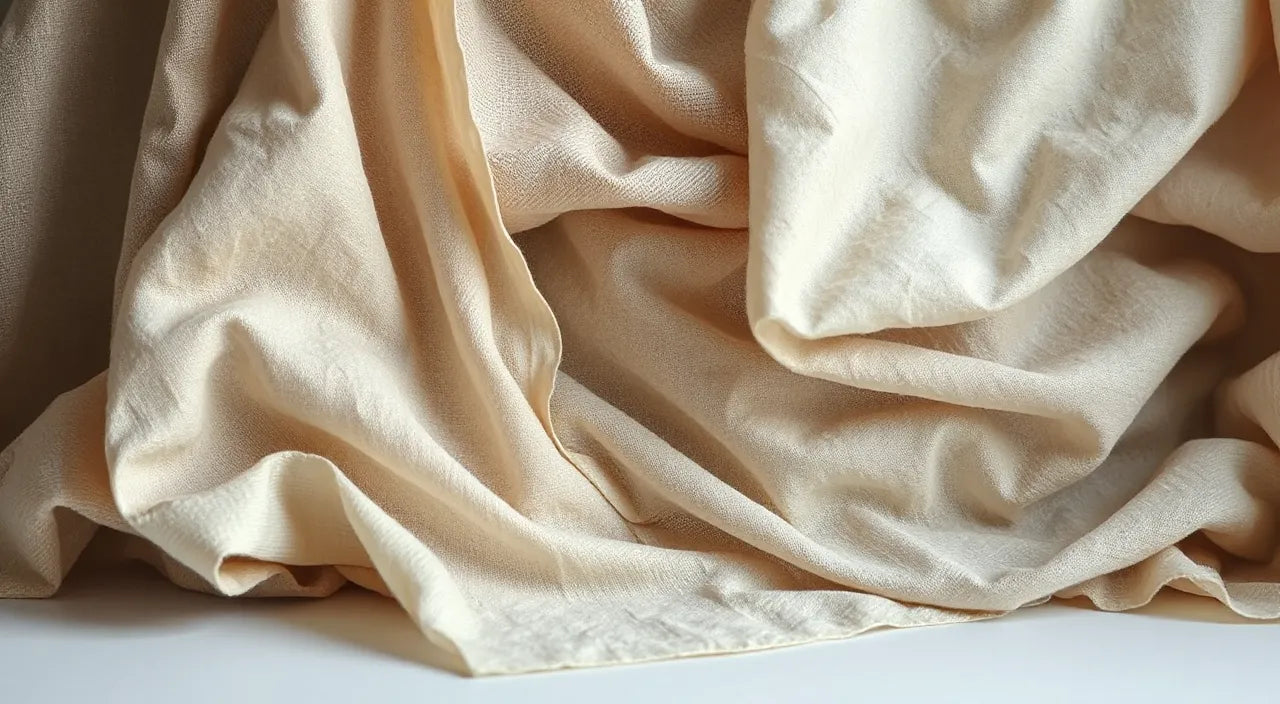
Layered textiles show texture, scale, and neutral balance.
Essential Tips for Styling
Use the “one focal layer” rule: if your blanket has a bold pattern, keep the rest of the textile story calmer.
Match undertones, not just colors. A cream blanket with yellow warmth behaves differently than a cream with gray undertones.
Think in texture gradients. Pair a chunky knit with smoother pillows, or combine a fine weave with a slightly plush cushion cover.
Style for everyday use. If you routinely sit in the same spot, place the blanket where it naturally falls without constant repositioning.
Repeat a design cue. Bring one color or motif from the throw into nearby decor, such as a pillow, a vase, or wall art.
Prefer clean folds for modern rooms. Casual drapes work well in relaxed settings, but tidy folds improve visual clarity.
Detailed Step-by-Step Process
The fastest path to a polished result is to follow a repeatable process. Use the steps below to select and style stylish throw blankets with confidence, even if you do not consider yourself a design expert.
Step 1: Identify the room goal
Decide what the blanket should communicate. Do you want calm and softness, a warm seasonal feel, or a refined modern look? A clear goal reduces indecision and prevents mismatched selections.
Step 2: Check the existing color palette
Look for dominant colors first, then confirm supporting shades. If your room uses multiple strong colors, you likely need a neutral or lightly patterned throw to stabilize the look.
Step 3: Choose a fabric that fits how you will use it
Daily use benefits from fabrics that resist pilling and keep their structure. If the throw will be mostly decorative, you can prioritize a more delicate texture. For heavy usage, prioritize materials that tolerate frequent laundering.
Step 4: Select the right dimensions
For a sofa, aim for a throw that covers the seat area and extends slightly over the edge. For chairs, choose a size that drapes comfortably without dragging across the floor.
Step 5: Style with one of three placement methods
Over-the-arm fold: smooth the blanket and let it hang naturally for an organized look.
Center drape: place the blanket across the middle cushion so it frames the seating area.
Diagonal cover: drape at a slight angle to create motion and soften straight lines.
Step 6: Validate the look from different angles
Step back and view the room from both sitting height and standing height. If the blanket becomes visually busy from one angle, simplify the pattern or adjust placement.
Step 7: Add one supporting detail
Finish the styling with a single coordinated item, such as a cushion with a matching undertone. The goal is cohesion, not repetition of every element.
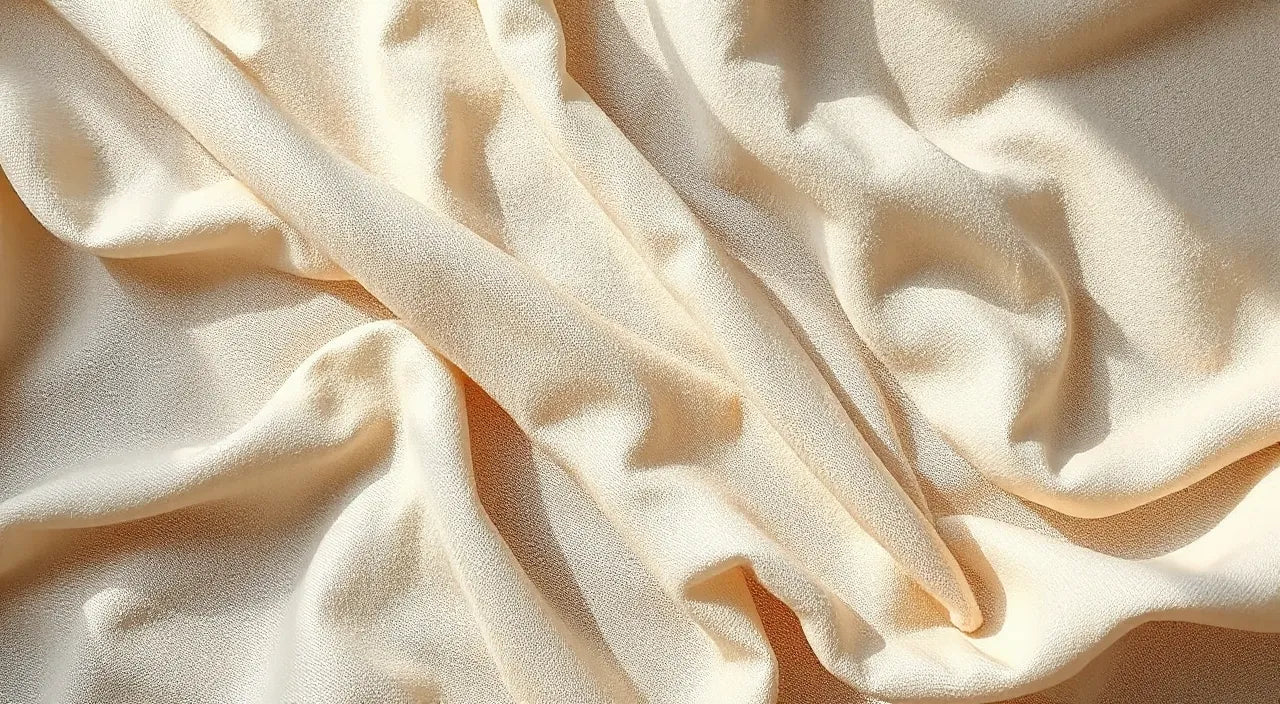
Color harmony and styling angles guide a cohesive textile layout.
Care and Maintenance for Long-Lasting Style
A beautiful throw should remain beautiful. Proper care preserves texture, color, and shape, which directly affects how your stylish throw blankets look season after season. Always follow the label instructions on your specific blanket, but you can use the general best practices below.
Washing and drying
When machine washing is permitted, wash on the gentlest cycle and use mild detergent. Excess detergent residue can make fabrics feel stiff and can dull color over time. For drying, use low heat when possible. High temperatures can flatten fibers and increase wear.
Prevent pilling and fuzz
Pilling typically results from friction. Reduce contact with rough surfaces and consider using a lint remover after washing cycles. If you notice fuzz buildup, remove it carefully so you do not damage the weave.
Protect during storage
Before storing for warmer months, ensure the blanket is completely dry. Store in a breathable container to minimize musty odors. Avoid compressing knitted throws too tightly for long periods, since this can change the drape.
Address stains promptly
For most fabric types, treating stains early prevents deeper absorption. Blot first instead of rubbing. Then follow care instructions for spot cleaning or laundering. This approach helps preserve both appearance and softness.
For a cozy, coordinated ambiance, you can also pair soft textiles with gentle lighting. If you are building a calm evening atmosphere, consider exploring barn-owl ceramic night light for a warm visual accent near your reading area.
Common Mistakes to Avoid
Even well-intentioned purchases can underperform if common errors are overlooked. Correcting these issues early improves both visual impact and long-term satisfaction.
Choosing a throw solely based on color. Texture and drape are equally important for a finished look.
Ignoring room scale. A tiny blanket on a large sectional tends to look out of place.
Overloading patterns. Multiple competing motifs can make a room feel visually noisy.
Using the wrong placement method. If the throw repeatedly slips or bunches, the intended effect will not last.
Skipping care planning. If you do not want frequent laundering, select a fabric that tolerates your cleaning routine.
If you are unsure whether your current decor supports a bolder textile, select a tonal approach first. Tonal layering offers depth without overwhelming existing design elements.
Summary and Takeaway
Stylish throw blankets elevate a home by combining comfort with intentional design. The best results come from choosing the right fabric for your usage, selecting dimensions that match your seating scale, and styling the throw using consistent placement methods. Proper care preserves texture and color, which keeps the blanket looking curated rather than worn. Use a repeatable selection process, and your blanket will continue to enhance the space with minimal effort.
If you want a simple next step, pick one room, choose one coordinating fabric and color direction, and apply the placement method that best matches your layout. Consistency is the difference between a throw that looks accidental and one that looks designed.
Q&A Section
How do I choose a stylish throw blanket color when my room has many colors?
Select a throw that matches an undertone already present in the room, such as the warmth in your wall color or the coolness in your furniture. If your palette is highly varied, prioritize a neutral shade and use texture or subtle pattern scale to add interest without competing with other elements.
What size throw blanket works best for a sofa?
A practical guideline is to choose a throw that covers the seat area and extends over the edge in a controlled way. If it is primarily used for wrapping, ensure the length allows comfortable coverage when you are seated. When in doubt, select a slightly larger size and fold intentionally rather than leaving fabric bunched.
How can I keep a knitted throw looking smooth over time?
Reduce friction by keeping the throw off abrasive surfaces and avoid dragging it across rough areas. Use gentle washing and low-heat drying when permitted. After washing, remove lint or fuzz carefully and store the blanket in a breathable space to protect the fibers from long-term wear.
About the Author
Cassandras Shop is a home styling resource focused on practical design guidance, material selection, and everyday comfort. The author specializes in curating textile solutions that balance aesthetics and usability across common living spaces. With a focus on durable, easy-to-maintain decor choices, the goal is to help readers create spaces that feel refined and welcoming. Thank you for reading and applying these strategies to your own home.
Disclaimer: This article provides general guidance on home styling and textile care. Always follow the care instructions supplied by the manufacturer of your specific blanket, and consider professional advice for delicate or high-value fabrics.
The content in this blog post is intended for general information purposes only. It should not be considered as professional, medical, or legal advice. For specific guidance related to your situation, please consult a qualified professional. The store does not assume responsibility for any decisions made based on this information.