Stylish Bedroom Solutions: Upgrade Comfort and Style
Cassandras ShopUpdated on: 2026-05-22
Stylish bedroom solutions combine comfort, function, and visual balance. The right layout, lighting, and textiles can make a room feel calmer and more personal. Thoughtful storage reduces clutter and supports everyday routines. A coherent color palette and layered textures help the design stay timeless. When you choose pieces that match your lifestyle, the bedroom becomes easier to maintain and more enjoyable to use.
Table of Contents
1. Why Stylish Bedroom Solutions Matter
2. Common Challenges
3. Comparison: Approaches to Achieving a Stylish Bedroom
4. Step-by-Step Plan for Stylish Bedroom Solutions
5. Summary & Recommendations
6. Q&A Section
7. About the Author
Why Stylish Bedroom Solutions Matter
Choosing stylish bedroom solutions is not only about appearance. A well-designed bedroom supports sleep quality, daily routines, and long-term comfort. When the room looks cohesive, it reduces mental friction. When storage is practical, it reduces clutter. When lighting is layered, it supports different activities, from winding down to morning preparation.
Most bedrooms struggle with one or more design gaps: mismatched colors, insufficient lighting, limited storage, or a layout that does not match how the room is used. The goal of this guide is to help you address those gaps with clear, repeatable decisions. You will learn how to choose a palette, plan your layout, select textiles, and add finishing touches that feel intentional.
Common Challenges
Before you shop or rearrange, it is helpful to identify the problem type. Many styling efforts fail because they do not account for daily movement, sight lines, and maintenance. Below are the most common challenges and realistic solutions.
1. The room looks good in photos but feels cluttered in real life
Visual clutter often comes from too many surfaces holding items. Nightstands, dressers, and open shelves can quickly become storage substitutes.
- Adopt a “one surface, one function” rule. Keep each visible surface limited to a single purpose.
- Use closed storage for items you do not use every day.
- Group small objects in trays or baskets that match your color palette.
This approach supports a tidy look while still keeping essentials within reach.
2. Lighting feels harsh or uneven
Bedrooms need multiple light layers. Overhead-only lighting can create glare and shadows that feel uninviting.
- Use ambient light for overall brightness.
- Add task light near reading or grooming areas.
- Include accent light for atmosphere and depth.
Warm temperatures and dimmable options are especially useful for evening comfort.
3. The color palette lacks consistency
When walls, textiles, and decor do not share a common tone, the room can feel visually busy even if it is not crowded.
- Choose a base tone for large surfaces such as bedding, curtains, or wall color.
- Select one or two accent tones for decor and smaller textile elements.
- Repeat colors in at least two places to create visual continuity.
4. Layout does not support movement and comfort
A stylish design must be usable. If you block pathways or place frequently used items too far away, you will constantly rearrange and the room will lose its calm.
- Measure clear walkways and keep them open.
- Place frequently used items within natural reach from the bed.
- Anchor furniture with a clear focal point, such as the bed wall.
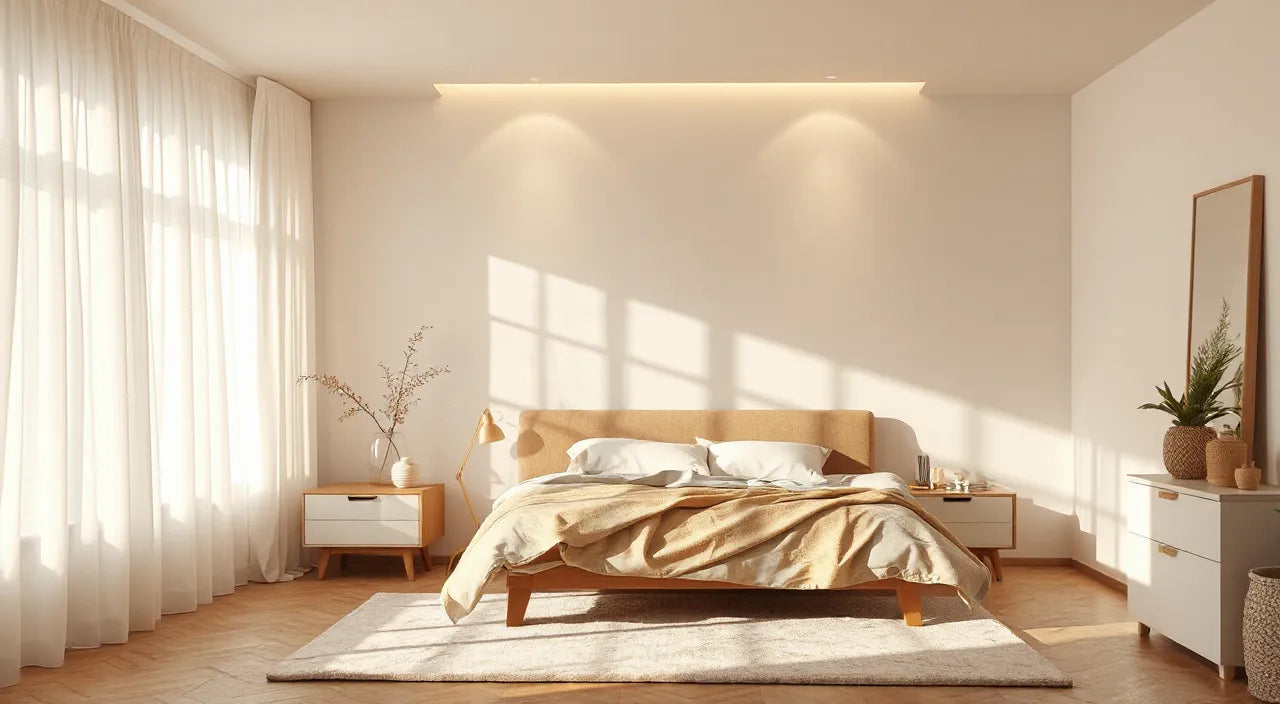
Layered bedroom lighting concept: warm glow, soft shadows
5. Textiles do not create a finished look
Bedding and window treatments should work together. If textures clash, the room may look incomplete.
- Mix textures intentionally, not randomly. For example, combine smooth and textured fabrics.
- Use a consistent weave direction across similar textile pieces when possible.
- Pick a bedding set that complements your curtain fabric rather than competing with it.
Comparison: Approaches to Achieving a Stylish Bedroom Solutions
There is more than one path to a cohesive bedroom. The best approach depends on your budget, time, and how often you plan to refresh the room.
| Approach | Pros | Cons |
|---|---|---|
| One-room refresh | Fast transformation using a focused set of changes. Strong results when lighting and textiles are updated together. | May require planning to avoid mismatches with existing furniture. |
| System-first styling | Builds long-term consistency by improving layout, storage, and routines first. | Can feel less “instant” because visual changes come after organization. |
| Seasonal updates | Keeps the room feeling fresh without full renovations. Works well with layered bedding and decor. | Requires discipline to avoid frequent purchases. |
For most households, a system-first approach leads to better results. It prevents the common mistake of buying decor that does not address clutter or lighting gaps.
Step-by-Step Plan for Stylish Bedroom Solutions
Use this plan as a structured checklist. Each step supports the next one, so the final result feels intentional rather than accidental.
Step 1: Define the bedroom role
List the activities you perform in the room. Common roles include sleep, reading, getting ready, and light work. This list helps you allocate space for the correct lighting and storage. It also helps you decide whether the room needs more task surfaces or more breathing space.
Step 2: Choose a practical layout
Your layout should support movement and comfort. Keep walkways clear and anchor the room around the bed. If possible, place your bed so that you can reach storage easily. Avoid positioning frequently used items behind obstacles.
Step 3: Build a coherent color palette
Start with a base color for bedding or larger textiles. Then select a secondary color for curtains or rugs. Finally, choose an accent color for smaller decor elements. The palette should feel calm and consistent. This reduces visual noise and helps the room look finished.
Step 4: Layer lighting for mood and function
Light layering makes the bedroom more adaptable. Use ambient light for general visibility. Add task lighting for reading or grooming. Include accent lighting to create depth, especially near walls or bedside areas.
If you want a subtle night ambiance, choose options that provide gentle illumination. A calm glow can support winding down and reduce the harshness of sudden bright light. Consider exploring decorative ceramic lighting ideas from owl-inspired night lighting for an atmosphere-focused effect.
Step 5: Upgrade textiles for texture and comfort
Textiles make the room feel complete. Select bedding that matches your palette and supports comfort. Then coordinate window treatments using similar tones. Layering matters: use a duvet or comforter, then add a second texture through throws or decorative pillows.
When selecting patterns, keep them restrained. Choose one pattern to lead and keep other elements solid or subtly textured. This strategy helps the room feel stylish without feeling busy.

Palette coordination concept: matching tones, layered textiles, calm balance
Step 6: Add decor with purpose
Decor should support function and atmosphere. Consider items that contribute to the experience of the room, such as calming lighting, practical organizers, and wall details that enhance the focal point. If you enjoy a theme, keep it consistent. For example, nature-inspired accents can work well with neutral palettes and warm lighting.
If you also like styling portable or travel-related home touches, you may find this resource helpful: How to Style a Stylish Portable Dining Set for Any Trip. The same principles apply: coordination, purposeful placement, and functional presentation.
Step 7: Use storage to protect the look
Storage is design. It preserves the clean lines of a stylish room. Use closed storage for items that create clutter. Use organizers for small items that must stay visible. A tidy surface makes bedding and lighting look more intentional.
Step 8: Finish with small, deliberate details
Finally, adjust the room until it feels balanced. Check sight lines from the doorway and from the bed. Ensure that colors repeat. Confirm that lighting levels feel comfortable at night. Replace or reposition items that compete visually with the bed or window.
Summary & Recommendations
Stylish bedroom solutions work best when you treat the room as a system. Start with layout and storage to control clutter. Then refine lighting so the room supports multiple activities. Next, use a coherent color palette and layered textiles to create a finished look. Finish with purposeful decor that enhances mood rather than adding noise.
Recommended next actions:
- Choose one base tone and build outward using one or two accent colors.
- Plan at least three light layers: ambient, task, and accent.
- Limit visible items on nightstands and dressers using trays or closed storage.
- Refresh textiles with coordinated patterns and textures, not random combinations.
If you want a complementary atmosphere detail, consider exploring decorative ceramic night lighting from heron night lighting or blue jay night lighting. Choose options that match your palette and provide a gentle glow rather than intense brightness.
Q&A Section
How do I make my bedroom look stylish without buying many new items?
Focus on high-impact changes first: improve lighting, reduce visible clutter, and refresh textiles such as bedding and throws. Rearrange furniture to create clear sight lines and keep walkways open. Use organizers to group small items. This method creates a cohesive look even when the core furniture remains the same.
What is the most important element for stylish bedroom solutions?
Most rooms benefit most from lighting and layout. Lighting controls mood, and layout supports comfort and routine. When those are addressed, the color palette and decor can be adjusted more easily. A calm lighting plan also reduces the need for excessive decor because the room already feels complete.
How can I choose a color palette that will remain timeless?
Start with neutral base tones such as warm whites, soft grays, beige, or muted earth colors. Add one secondary tone for depth and one accent tone for character. Repeat the accent tone in at least two places, such as bedding and decorative accessories. This repetition helps the room remain cohesive and avoids sudden visual shifts.
Should I match everything exactly, or can I mix styles?
You do not need exact matching. You can mix styles if the colors and materials feel coordinated. Keep one style dominant, then add a small number of secondary elements that share a common tone or texture. Consistency of palette and lighting often matters more than matching furniture styles.
How do I prevent my bedroom from becoming cluttered again?
Set a routine for surfaces. Assign a home for everyday items and store less frequent items in closed storage. Use trays for small items so they remain grouped. When you bring in new decor, remove an equivalent amount of clutter so the visual environment stays balanced.
About the Author
Cassandras Shop contributes expertise in home styling, practical organization, and atmosphere-focused design decisions. The team focuses on how people live, not only how spaces look. For readers, the goal is always the same: confident choices that make everyday comfort easier to maintain. Thank you for reading, and may your bedroom styling process feel clear and rewarding.
Disclaimer: This article provides general home design guidance and is not intended as professional architectural or engineering advice. Results may vary based on room size, existing materials, and personal preferences.
The content in this blog post is intended for general information purposes only. It should not be considered as professional, medical, or legal advice. For specific guidance related to your situation, please consult a qualified professional. The store does not assume responsibility for any decisions made based on this information.