

Soft and Warm Throws: Styling for Cozy Comfort
Cassandras ShopUpdated on: 2026-10-20
Soft and warm throws can transform everyday spaces into calmer, more inviting environments. They add comfort through texture and help regulate indoor feel by layering fabric. Choosing the right material, size, and color creates both visual balance and practical use. With simple care routines, these textiles maintain a fresh look season after season. This guide covers selection, styling, and maintenance so you can use throws confidently in any room.
Table of Contents
- 1. How to Choose Soft and Warm Throws
- 2. Materials That Feel Comfortable
- 3. Sizing and Placement for Maximum Use
- 4. Color and Style Coordination
- 5. Care and Maintenance That Preserves Comfort
- 6. How to Style Throws for Everyday Living
- 7. Common Questions Answered
- 8. Summary & Next Steps
1. How to Choose Soft and Warm Throws
Soft and warm throws deliver comfort, visual warmth, and functional layering. The best choice depends on how you plan to use the throw: casual lounging, bedroom layering, or seasonal decoration. Start by defining your priority, then narrow your options by fabric, thickness, and size.
Step 1: Match the throw to your primary use
If the throw will be used daily, select a fabric known for softness and durability. For guest comfort, choose a texture that feels inviting and looks neat when folded. For colder months, consider a thicker weave that retains heat without feeling heavy.
Step 2: Evaluate thickness and warmth in simple terms
Thickness influences warmth. A lighter throw can work for mild indoor temperatures and layered styling. A heavier option can support cozy evenings and provide a more substantial feel. If you prefer comfort without bulk, look for fabrics that feel plush but still drape smoothly.
Step 3: Choose an appropriate size for the space
A throw should cover what you need it to cover. For sofas, a size that reaches comfortably over the seat back and front helps create a balanced look. For chairs, a slightly smaller format usually performs better and stays easier to manage.
Step 4: Confirm edges and construction details
Stitching and finished edges affect both appearance and longevity. Well-finished hems and consistent stitching help prevent shifting during use and washing. If you value a polished look, prioritize construction quality.
Step 5: Select a color that supports your room palette
Neutral tones blend with most interiors and offer flexible styling. If you want contrast, choose a color that echoes an accent already present, such as pillow covers or wood finishes. Coordinated tones make the throw look intentional.
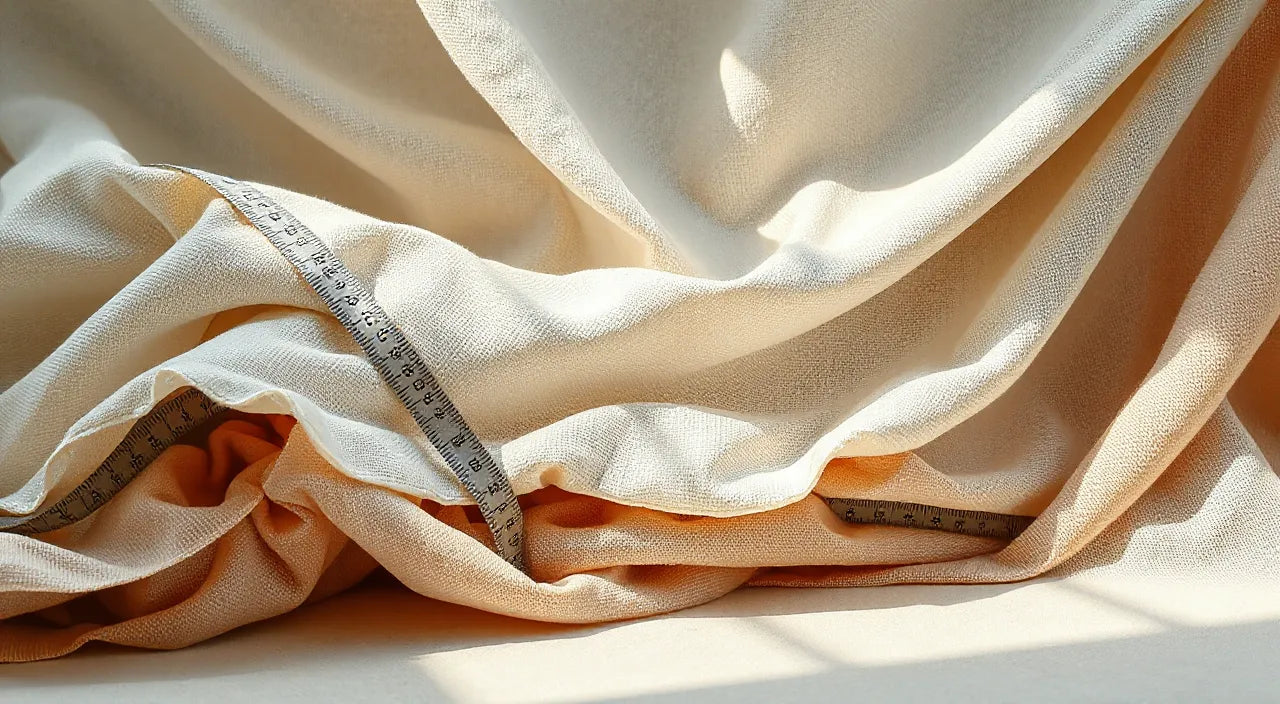
Layering fabrics, measuring coverage, balanced placement.
2. Materials That Feel Comfortable
The material is the clearest predictor of comfort. While personal preference matters, certain textiles consistently perform well for softness, warmth, and visual appeal. Understanding common materials helps you make a practical decision that aligns with your lifestyle.
Fleece-style fabrics for quick softness
Fleece-style throws often feel gentle and are easy to handle. They provide a cozy surface for lounging and are generally simple to care for. They can be especially effective for creating a relaxed look on living room seating.
Knitted textures for warmth and breathable comfort
Knitted throws add depth and visual interest. They tend to drape well and can feel warm without excessive thickness. A knit can also provide a classic, handmade appearance that suits both modern and traditional rooms.
Microfiber and plush blends for a smooth touch
Plush blends can feel soft against the skin and create a uniform surface. This can be ideal when you want a clean, upscale look. When selecting blends, check care instructions carefully to maintain the finish.
Woven and jacquard-style designs for structured style
Woven options often look tailored and hold their shape. They can work well when the throw is used as a decorative layer even when not actively covering someone. This is a practical choice for spaces that value order and symmetry.
To choose wisely, consider how the texture will interact with your existing textiles. If your room already has busy patterns, a solid or subtle texture may balance the visual field. If your space is minimal, a more detailed knit or weave can create the needed warmth.
3. Sizing and Placement for Maximum Use
Proper sizing improves both comfort and presentation. A throw that is too small can look like a spare accessory, while one that is too large may overwhelm the space. Placement also affects how often you will use it, since a visible throw tends to become part of daily routines.
Sofa placement: drape across the seat for a natural fall
For sofas, drape the throw over one arm or across the seat so that it can be picked up quickly. This approach creates a relaxed, lived-in look and keeps the throw within easy reach.
Bed layering: use the throw at the foot or as an extra top layer
On beds, place the throw at the foot to create a warm transition from bedding to the rest of the room. During cooler nights, it can also be used as a top layer for extra comfort. When folding it neatly, it contributes to an organized look.
Chair styling: keep it tight enough to prevent sliding
Chairs often require more control. Select a size that fits the seat width and spreads slightly over the back. If your chair is frequently used, choose a manageable format so the throw stays in place.
Floor and reading corner: prioritize easy grip and quick coverage
In reading corners, a throw should be easy to grab and reposition. A size that covers your legs while sitting can be more practical than a larger decorative piece. Visual comfort matters, but daily usability determines whether the throw becomes a favorite.
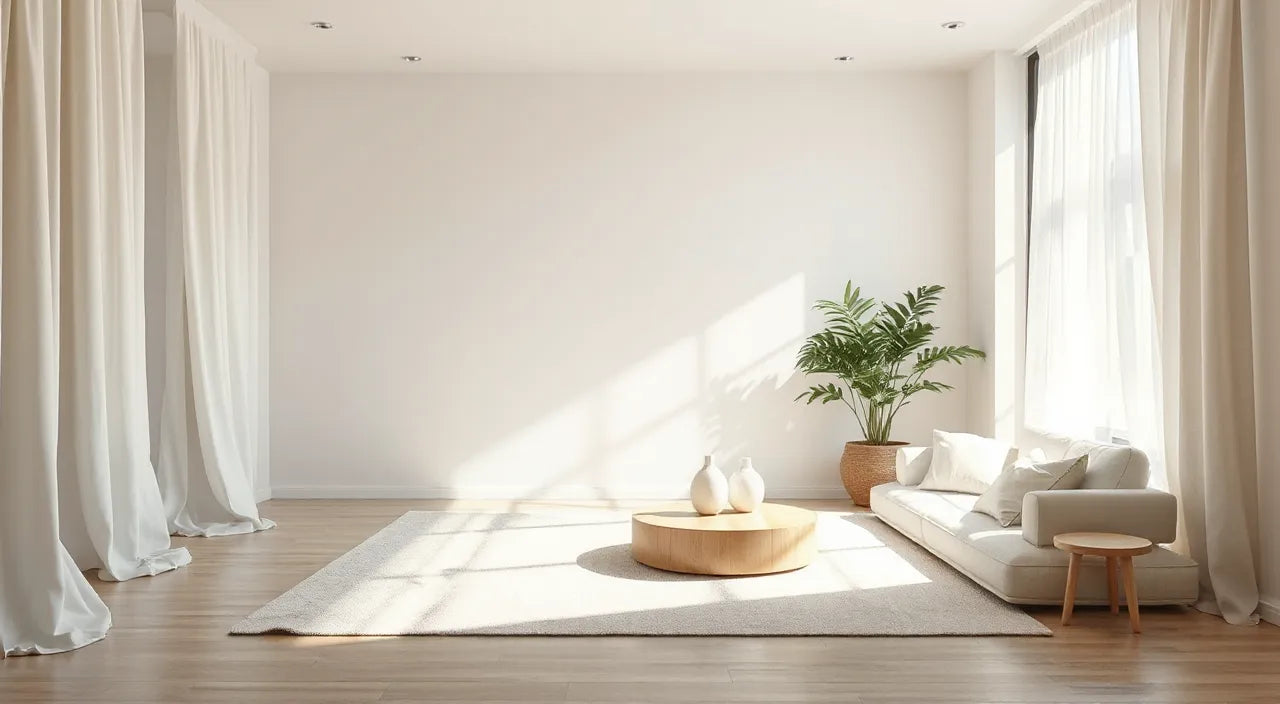
Room zones, measured drape lines, cozy lounging angles.
4. Color and Style Coordination
Color affects perceived warmth. A soft palette can feel calm, while richer tones can feel grounded. The goal is to coordinate the throw with your room without forcing a theme that limits future changes.
Use neutrals for flexibility
Beige, cream, gray, and taupe often pair with many styles. Neutrals create a stable base that lets pillows, wall art, or seasonal décor provide variation.
Add contrast with one intentional accent color
If your room is mostly neutral, choose one accent tone for the throw. This does not require a full matching set. Instead, align the throw with one other element, such as a decorative pillow or a rug edge.
Choose texture when you want a richer look without changing color
When color choices are limited, texture creates depth. A plush finish can look luxurious even in a simple shade. A knitted design can add structure and movement to a clean color palette.
Account for seasonal transitions
In cooler months, deeper tones and warmer neutrals often feel more appropriate. In milder seasons, lighter shades can keep the room feeling open. You can also maintain the same throw and refresh the look by pairing it with new pillow covers.
5. Care and Maintenance That Preserves Comfort
Care is essential for keeping soft and warm throws looking fresh. Proper washing and gentle handling protect fibers and help the surface remain soft. Follow the care label as the primary guide, then adjust your routine based on usage frequency.
Wash less frequently when the throw is primarily decorative
For throws placed on furniture, spot-cleaning may be sufficient between washes. This reduces wear on fibers. If the throw is used for lounging, regular cleaning helps maintain freshness.
Use cold water and a gentle cycle when possible
Cool temperatures can help preserve color and reduce fiber stress. A gentle cycle reduces abrasion, which helps prevent pilling and uneven texture.
Dry carefully to avoid roughening the fibers
Tumble drying can be appropriate for many fabrics, but moderate heat is often safer for maintaining softness. If air-drying is recommended, it can also extend the textile lifespan.
Store thoughtfully between seasons
Fold the throw neatly and store it in a clean, dry space. Avoid compressing it for long periods if the material is prone to permanent creasing. If storage is used frequently, consider breathable storage options.
Keep pilling under control with gentle handling
Any soft fabric can develop minor pilling over time, especially with friction. Reduce abrasive contact, and use a fabric-safe tool for pilling only when needed. Avoid aggressive methods that could damage the surface.
6. How to Style Throws for Everyday Living
Styling should be practical. A throw that is easy to access will be used more often. Simple design choices also make the throw look intentional rather than accidental.
Create a layered look with pillows and a single throw
Choose pillow sizes that complement the room scale, then add the throw as the next layer. A coordinated color or texture helps the set feel cohesive without overcomplication.
Use contrast for visual interest, not visual clutter
For example, pair a solid throw with patterned pillows or vice versa. If both items are patterned, use one as the dominant element and keep the other subtle. This approach maintains clarity and keeps the space visually calm.
Fold for structure or drape for ease
Structured folds can look neat on beds and formal seating. Draped placement works best for relaxed lounges. Select the style that matches the space, then repeat it consistently for a polished effect.
Re-style without replacing: update accessories instead
Instead of switching throws constantly, refresh the look by changing pillow covers, wall décor accents, or seasonal greenery. This strategy improves consistency and reduces cost while keeping the room feeling current.
If you want a cozy, gift-friendly approach to home atmosphere, you may also appreciate the warm ambiance created by decorative lighting. Consider browsing selected night light options on ceramic night lights for a gentle glow that complements soft textile styling.
How to include a throw in small spaces
In smaller rooms, keep the throw visible but not crowded. Place it on a chair you use often or fold it neatly over a sofa arm. A single well-chosen throw can add comfort without taking up additional storage.
7. Common Questions Answered
What size throw is best for a sofa?
A throw that fits across the seat with some drape over the front typically looks balanced. For most sofas, choose a size that covers the seat area without extending excessively beyond the arms. If you prefer a more decorative display, allow slightly more length for a softer fall.
How do I prevent pilling on soft and warm throws?
Pilling is often caused by friction. Reduce rough contact with other textiles, avoid dragging the throw across hard surfaces, and use gentle washing methods. If pilling appears, address it with a fabric-safe tool rather than aggressive trimming.
Are thicker throws always warmer?
Thickness often correlates with warmth, but fiber type and weave structure also matter. A well-insulated fabric with a dense knit may feel warmer than a similarly thick but less dense option. Focus on both fabric composition and how the throw drapes and feels in use.
Can I use throws all year?
Yes. Use lighter options during warmer months and keep a thicker throw for cooler periods. Even in mild weather, a soft throw can support evening comfort and provide a consistent decorative layer across seasons.
8. Summary & Next Steps
Soft and warm throws combine comfort, style, and practical layering. Select the right material and size, coordinate color with your existing palette, and care for the fabric using gentle cleaning methods. When you place a throw where you will see it and reach it easily, it becomes part of everyday life rather than a storage item.
Next, choose one room to refresh first. Measure your sofa, chair, or bed surface, then select a throw that matches your preferred drape and texture. If you enjoy a cohesive cozy look, pair your textile choices with subtle ambient lighting by exploring decorative ceramic night lights for a gentle evening atmosphere.
Disclaimer: Product availability, materials, and care instructions vary by item. Always follow the care label and manufacturer guidance for your specific throw. This article provides general styling and maintenance information and does not replace professional recommendations.
About the Author Section
Cassandras Shop is an e-commerce team specializing in home comfort styling and practical product guidance. The team focuses on textiles, cozy ambiance, and customer-ready advice designed to support everyday living. For readers seeking a warmer home atmosphere, Cassandras Shop provides clear recommendations grounded in comfort and presentation. Thank you for reading, and enjoy building a more inviting space.
The content in this blog post is intended for general information purposes only. It should not be considered as professional, medical, or legal advice. For specific guidance related to your situation, please consult a qualified professional. The store does not assume responsibility for any decisions made based on this information.


