Smart playful spaces for modern kids room decor ideas
Cassandras ShopUpdated on: March 7, 2026
Creating an inspiring and functional children's bedroom requires thoughtful design choices that balance aesthetics with practicality. Modern kids room decor combines contemporary design principles with age-appropriate elements that foster creativity, comfort, and personal expression. This comprehensive guide explores current trends, design strategies, and practical solutions to transform your child's space into a sanctuary that supports both play and rest.
Table of Contents
- Did You Know?
- Comparison: Pros and Cons of Modern Approaches
- Buyer's Checklist for Modern Kids Room Decor
- Color Palettes and Visual Harmony
- Lighting Solutions for Contemporary Spaces
- Final Thoughts and Advice
- Questions and Answers
- About the Author
Did You Know?
- Research indicates that well-designed bedroom environments can improve children's sleep quality by up to thirty percent, contributing to better academic performance and emotional regulation.
- Contemporary interior design for children's spaces increasingly incorporates sustainable and non-toxic materials, reflecting growing parental awareness of environmental and health concerns.
- Personalized room decorations enhance a child's sense of ownership and identity, promoting confidence and self-expression during critical developmental years.
- Modern design trends favor multifunctional furniture that adapts as children grow, reducing waste and providing long-term value for families.
- Natural light exposure in children's rooms supports healthy circadian rhythms, improved mood, and enhanced cognitive function throughout the day.
Comparison: Pros and Cons of Modern Approaches
Minimalist Design
Pros:
- Creates a calm, uncluttered environment that reduces visual overstimulation
- Simplifies cleaning and organization routines
- Emphasizes quality over quantity in furniture and accessories
- Provides flexibility for personal expression through selective decor choices
Cons:
- May feel cold or impersonal without thoughtful accessorizing
- Requires strict organizational discipline to maintain
- Limited visual interest for imaginative play
Eclectic and Colorful Approach
Pros:
- Encourages creativity and imaginative play through stimulating visuals
- Allows children to express individual personality and interests
- Can incorporate items with sentimental value and personal meaning
Cons:
- Risk of creating visual chaos if colors and patterns lack coordination
- May become overwhelming for children with sensory sensitivities
- Requires regular updates as children's interests evolve
Nature-Inspired and Biophilic Design
Pros:
- Incorporates plants and natural materials that improve air quality
- Promotes connection to nature and environmental awareness
- Creates a soothing, restorative atmosphere
Cons:
- Requires ongoing plant maintenance and care
- Natural materials may be more expensive initially
- Allergies to plants or pollen may limit applicability
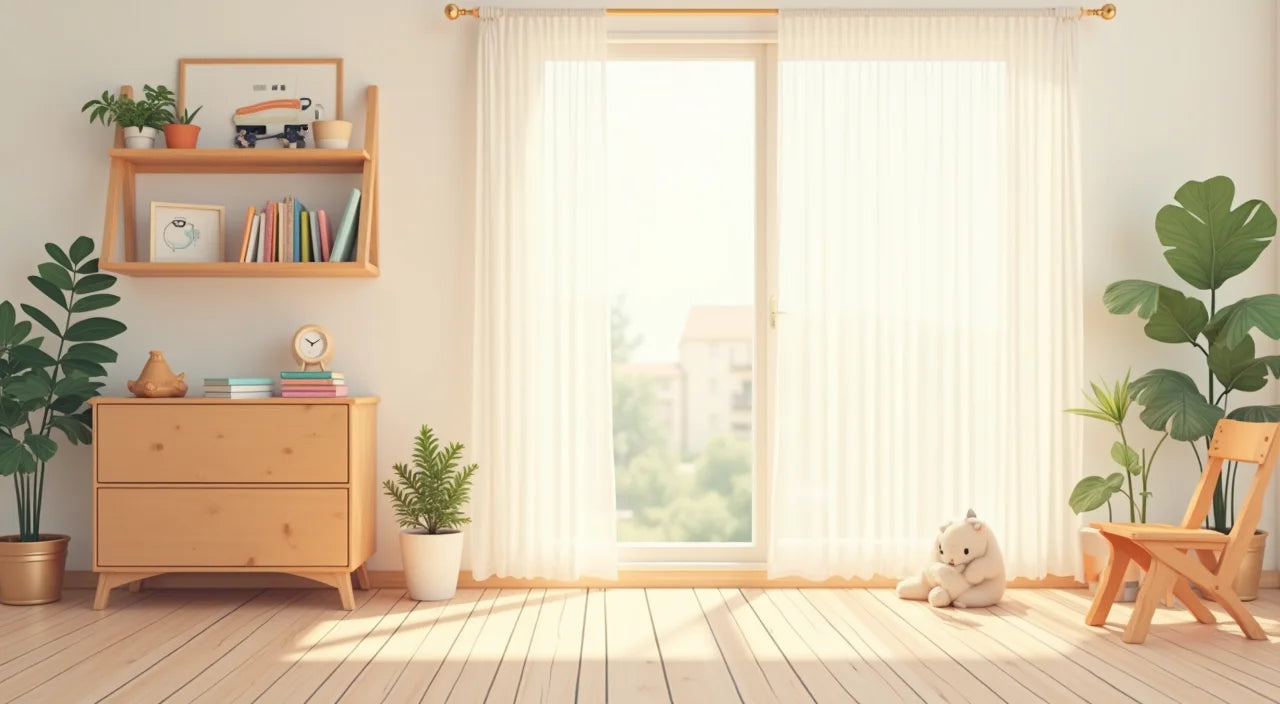
Soft neutral tones with wooden textures and natural light creating a serene, organized children's environment.
Buyer's Checklist for Modern Kids Room Decor
- Assess the room's natural light and consider window treatments that allow control over brightness and privacy
- Select a cohesive color scheme with two to three primary colors plus neutral tones for versatility
- Choose multifunctional furniture pieces that can adapt to different ages and developmental stages
- Incorporate adequate storage solutions to promote organization and teach responsibility
- Evaluate lighting options including task lighting, ambient lighting, and decorative fixtures
- Select age-appropriate wall decor, artwork, or murals that reflect the child's interests
- Include comfortable seating for reading, relaxing, or socializing with friends
- Verify all furniture and decorative items meet current safety standards and certifications
- Consider incorporating personal touches such as family photos or achievement displays
- Plan for flexible spaces that can accommodate play, study, and sleep functions
- Ensure adequate ventilation and air quality through proper window placement and air circulation
- Budget for quality pieces that will withstand active use and grow with your child
Color Palettes and Visual Harmony
Color selection forms the foundation of contemporary children's room design. Rather than relying on traditional gender-based color stereotypes, modern approaches emphasize colors that support specific developmental goals and personal preferences. Soft sage green, warm beige, cool gray, and muted blue create calming backdrops that transition smoothly from early childhood through the teenage years.
Accent colors can be introduced through removable elements such as bedding, wall decals, and artwork. This strategy allows for style updates without major renovations. Jewel tones like emerald, sapphire, and coral add sophistication when used as secondary colors, while maintaining a mature aesthetic as the child grows. Paint selection should prioritize low-volatile organic compounds for improved indoor air quality.
Layering textures through rugs, throw pillows, and wall hangings adds depth and visual interest without introducing excessive color complexity. Natural wood tones complement virtually any color scheme and provide warmth that synthetic materials cannot replicate. Consider using chalkboard paint on one accent wall to encourage creativity and self-expression while maintaining design control elsewhere in the room.
Lighting Solutions for Contemporary Spaces
Proper lighting design addresses both functional and emotional needs in a child's bedroom. Layered lighting systems combine ambient overhead lighting with task lighting for reading and focused activities, plus decorative accent lighting that creates atmosphere. Dimmer switches provide flexibility for different times of day and activities.
Night lights serve practical purposes while contributing to overall design aesthetics. Ceramic night lights offer soft, warm illumination that helps children navigate safely during nighttime hours without jarring bright lights. These fixtures come in various designs that complement modern decor while providing reassurance for younger children.
Natural light should be maximized during daytime hours through appropriate window treatments. Sheer curtains filtered sunlight while maintaining privacy, reducing glare during study or screen time. Blackout options support healthy sleep by blocking external light during rest periods. Position desk areas near windows when possible to provide natural illumination for homework and creative activities.
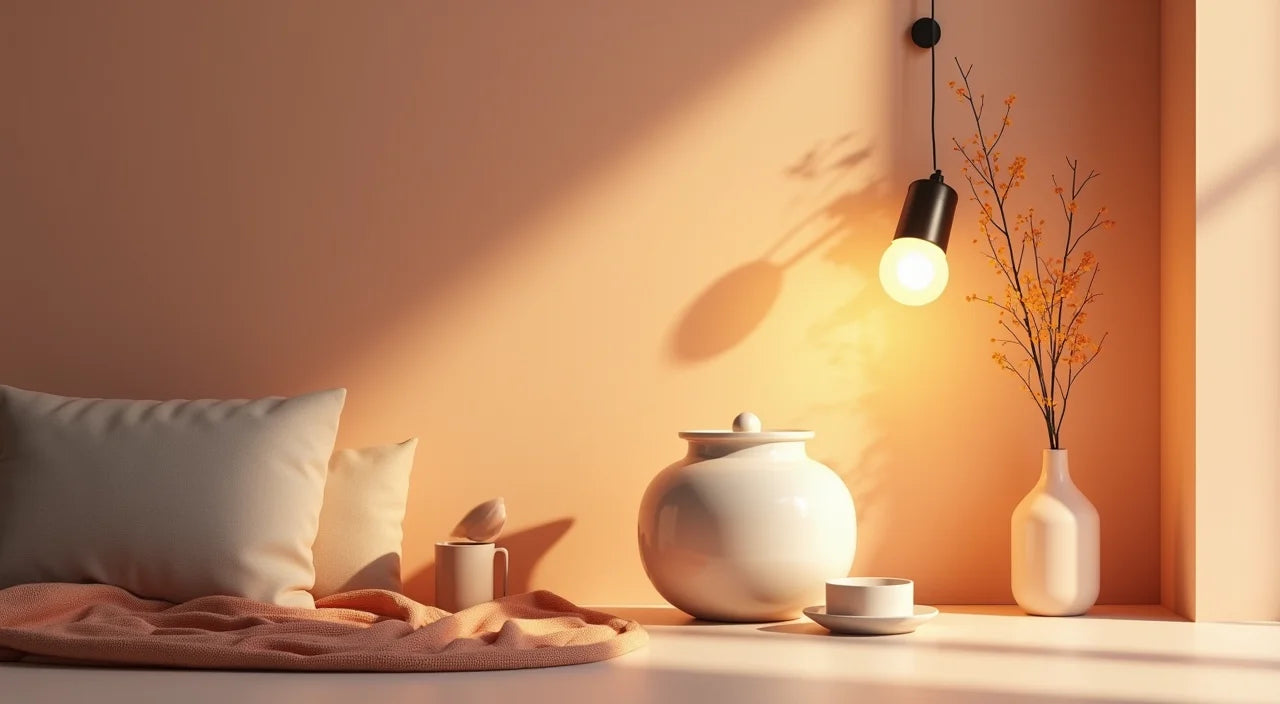
Warm-toned ceramic lighting fixture casting gentle shadows, creating comfortable ambiance in corner reading nook.
Final Thoughts and Advice
Designing modern kids room decor represents an opportunity to create spaces where children feel safe, supported, and inspired. The most successful designs balance aesthetic appeal with practical functionality, adapting gracefully as children grow and their needs evolve. Rather than pursuing perfection, focus on creating an environment that reflects your child's personality while supporting their physical health and emotional wellbeing.
Start with foundational elements such as quality furniture and neutral wall colors, then layer in personality through accessories and artwork. Allow children to participate in design decisions appropriate to their age and development. This collaborative approach builds investment in their space and teaches valuable design decision-making skills.
Remember that the most beautiful room is one that children actually enjoy spending time in and can maintain with reasonable effort. Invest in durable materials, quality lighting solutions, and organizational systems that make the space functional and sustainable long-term. Review your design periodically and make adjustments as your child's interests and needs change, transforming their room into an evolving reflection of their growth and development.
Questions and Answers
What are the essential furniture pieces for a modern child's bedroom?
Essential furniture includes a comfortable bed with quality mattress, adequate storage such as dressers or wardrobes, a desk or workspace for studying and creative activities, and seating for reading or relaxation. Multifunctional pieces that combine storage with seating or workspace optimize limited square footage. Quality construction ensures durability through active use and years of growth.
How can I create a cohesive design that grows with my child?
Choose timeless foundational elements in neutral colors and classic styles that provide longevity. Select decor items that can be easily updated such as wall art, bedding, and accessories. Incorporate storage systems that remain functional regardless of style preferences. Allow your child input into design decisions that can change, such as poster displays or accent colors, while maintaining stable foundational elements. This approach reduces renovation needs as preferences evolve.
What role do decorative items like night lights play in modern design?
Decorative night lights such as ceramic light fixtures serve dual purposes by providing practical nighttime illumination while enhancing room aesthetics. Quality fixtures in thoughtful designs complement contemporary decor while creating a warm, welcoming atmosphere. These elements encourage children to spend time in their rooms while supporting the functional requirements of safe nighttime navigation and sleep comfort.
How important is natural light in children's room design?
Natural light significantly impacts children's physical health, emotional wellbeing, and sleep quality. Windows positioned to provide morning sunlight support healthy circadian rhythms, improve mood, and enhance cognitive function. Strategic use of window treatments allows control over light intensity while maintaining privacy. Rooms with inadequate natural light require supplemental lighting design that mimics natural light qualities to support healthy development.
What safety considerations should guide modern children's room design?
All furniture and fixtures must meet current safety standards and certifications. Secure tall furniture to walls to prevent tipping hazards. Choose non-toxic paints, finishes, and materials, particularly for items children contact directly. Ensure adequate ventilation and air quality through proper window placement and air circulation systems. Install appropriate lighting to prevent trip hazards during nighttime movement. Review electrical outlets and cords regularly to prevent hazards.
How can I incorporate sustainability into children's room design?
Select furniture and materials from sustainable sources using renewable resources or recycled content. Choose pieces designed for longevity and adaptability to reduce replacement needs. Prioritize natural materials such as wood, cotton, and wool over synthetic alternatives when possible. Consider purchasing second-hand furniture and refinishing or repurposing pieces. Select low-volatile organic compound paints and finishes to reduce environmental and health impact.
What lighting solutions work best for study and creative activities?
Task lighting positioned directly over desk areas supports focused work without creating shadows or glare. Full-spectrum bulbs closely mimic natural daylight and reduce eye strain during extended reading or computer work. Adjustable fixtures allow children to direct light exactly where needed for specific activities. Layered lighting combining ambient and task lighting creates flexibility for different times of day and activities. Consider decorative lighting solutions that enhance ambiance during relaxation periods.
About the Author
Welcome to Cassandras Shop, where contemporary home design meets practical family living. With expertise in children's interior design and a passion for creating functional, beautiful spaces, Cassandras Shop specializes in helping families transform ordinary rooms into extraordinary environments where children thrive. Our curated collection of lighting solutions, furnishings, and decor accessories reflects years of experience understanding what children and parents truly need. We believe that thoughtfully designed spaces support healthy development while bringing families joy and comfort through their most important moments together.
The content in this blog post is intended for general information purposes only. It should not be considered as professional, medical, or legal advice. For specific guidance related to your situation, please consult a qualified professional. The store does not assume responsibility for any decisions made based on this information.