Smart Lighting for Kids Rooms Safe Fun and Cozy Ideas
Cassandras ShopUpdated on: February 16, 2026
Proper illumination in children's bedrooms plays a crucial role in their comfort, safety, and sleep quality. This comprehensive guide explores how to select and implement effective bedroom lighting solutions for children, covering everything from brightness levels to fixture types. Learn practical strategies to create a nurturing environment that supports healthy development while maintaining functionality for daily activities and bedtime routines.
Table of Contents
- Understanding Your Child's Lighting Needs
- Key Advantages of Thoughtful Bedroom Illumination
- Practical Tips for Optimal Room Design
- Summary and Implementation Strategy
- Frequently Asked Questions
- About the Author
Understanding Your Child's Lighting Needs
When I first became responsible for designing my younger cousin's bedroom, I quickly realized that standard overhead fixtures were insufficient. The single bright light created harsh shadows and made the space feel cold at bedtime. After researching various solutions and speaking with pediatric sleep specialists, I discovered that layered lighting approaches—combining ambient, task, and accent lighting—transformed the room entirely. The space became more functional during homework time and significantly more soothing during evening hours.
Children's bedrooms serve multiple purposes throughout the day. Morning routines require adequate illumination for getting dressed and preparing for school. Afternoon activities, including homework and creative play, demand focused task lighting. Evening hours call for warmer, dimmer options that prepare the body for sleep. This multifunctional approach to kids room lighting ensures the space adapts to your child's changing needs throughout each day.
Understanding color temperature is equally important. Cooler white lights (5000K and above) promote alertness and concentration, making them ideal for study areas. Warmer tones (2700K to 3000K) encourage relaxation and support natural melatonin production before bedtime. The strategic combination of these temperature ranges creates an environment that genuinely supports your child's activities and circadian rhythms.
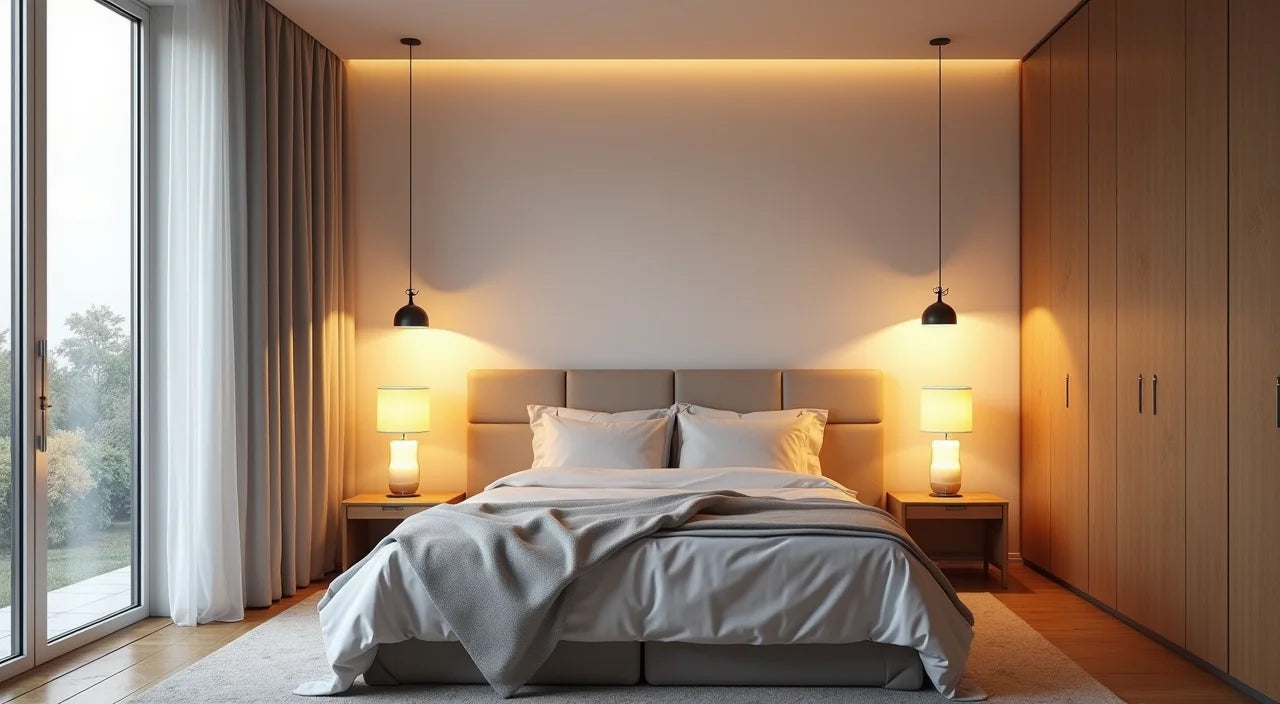
Layered lighting approach combining overhead fixtures, desk lamps, and soft accent lights creating functional bedroom zones.
Key Advantages of Thoughtful Bedroom Illumination
- Enhanced Safety: Adequate lighting prevents trips, falls, and accidents throughout the room. Night lights guide children safely during nighttime bathroom visits and reduce anxiety about darkness.
- Improved Sleep Quality: Proper evening lighting that transitions from bright to dim supports healthy sleep-wake cycles. Dimmable fixtures allow you to gradually reduce light intensity before bedtime, promoting natural sleep onset.
- Academic Performance: Task-specific lighting reduces eye strain during homework sessions. Studies demonstrate that appropriate desk illumination improves focus, accuracy, and reading comprehension in school-age children.
- Mood and Emotional Well-being: Warm, adjustable lighting creates a comforting atmosphere that reduces anxiety. Children feel safer and more secure in well-lit spaces designed with their specific needs in mind.
- Flexibility and Adaptability: Layered lighting systems grow with your child. As preferences and activities change, you can easily adjust the lighting configuration without expensive renovations.
- Energy Efficiency: Modern LED options consume significantly less electricity than traditional incandescent bulbs. This reduces your household energy costs while maintaining superior brightness and light quality.
- Design Aesthetics: Creative lighting solutions, including decorative accent pieces like ceramic night lights with artistic designs, add personality to the room while serving functional purposes.
Practical Tips for Optimal Room Design
Layer Your Lighting Strategy
Install multiple light sources at different levels rather than relying on a single overhead fixture. Combine ceiling-mounted general lighting with wall sconces, table lamps on dressers and nightstands, and floor lamps in reading corners. This approach provides flexibility and eliminates harsh shadows that make spaces feel unwelcoming.
Implement Dimmer Controls
Dimmer switches offer exceptional value by allowing light intensity adjustment throughout the day. During morning routines, full brightness supports alertness. As evening approaches, gradually reduce illumination to encourage relaxation. This simple investment dramatically improves your child's ability to transition smoothly between activities.
Choose Appropriate Fixtures for Each Zone
Bedside areas benefit from soft accent lighting or compact decorative night lights that provide gentle illumination without causing sleep disruption. Desk areas require focused task lighting with minimal glare. Play zones need brighter, more flexible options that adapt to various activities.
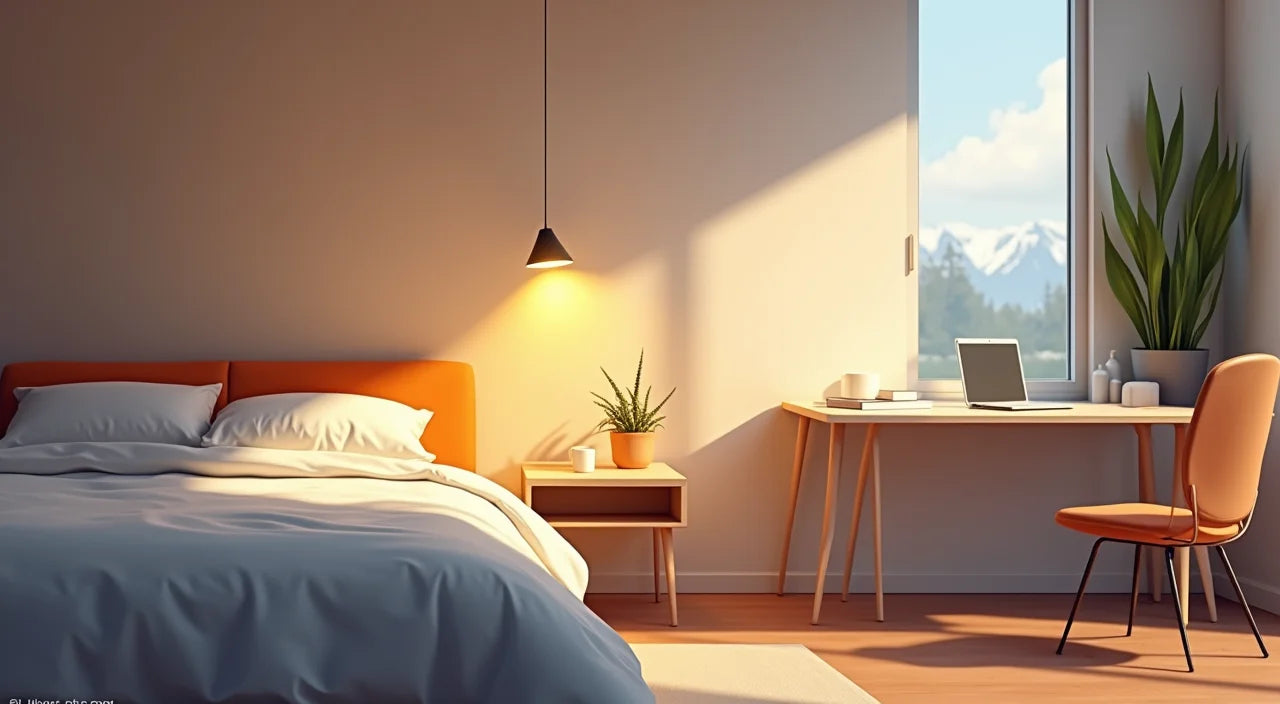
Bedside zone featuring warm ceramic accent light, desk area with adjustable task lamp, and dimmable overhead fixture.
Select LED Technology
Light-emitting diode bulbs offer superior efficiency, longevity, and color quality compared to older lighting technologies. They generate minimal heat, making them safer for children's spaces. LED options now come in numerous color temperatures and brightness levels, ensuring you find solutions that match your specific requirements.
Incorporate Night Lighting Solutions
Gentle night lights serve multiple important functions. They guide children safely during nighttime activities, reduce fear of darkness, and maintain minimal ambient illumination without significantly disrupting sleep. Consider decorative ceramic pieces with soft lighting that add aesthetic appeal while providing practical functionality.
Control Glare and Reflection
Position light sources to minimize glare on screens, mirrors, and reflective surfaces. Use lampshades and diffusers to soften direct light output. This approach reduces eye strain and creates a more comfortable visual environment throughout the room.
Consider Automated Solutions
Smart lighting systems allow you to program lighting changes according to your child's schedule. Gradually increasing bedroom brightness in the morning helps with wake-up routines, while automated dimming in the evening supports sleep preparation. These systems offer convenience and consistency throughout every week.
Summary and Implementation Strategy
Creating an effective lighting plan for your child's bedroom requires thoughtful consideration of multiple factors. Begin by assessing your child's specific needs, considering their age, activities, and sleep patterns. Identify the different zones within the room—study areas, sleep spaces, play zones, and pathways—and plan appropriate illumination for each section.
Start with essential fixtures: a dimmer-controlled overhead light, a quality desk lamp for study areas, and soft bedside lighting. Add complementary pieces such as artistic ceramic accent lights that provide both functionality and visual interest. Test your lighting arrangement during different times of day to ensure it meets your child's needs across all activities.
Remember that children's preferences and requirements evolve. Design your lighting system with flexibility in mind, allowing easy adjustments and additions as your child grows. Prioritize energy-efficient LED options and dimmer controls to maximize both comfort and cost-effectiveness. With these foundational strategies in place, you will create a bedroom environment that genuinely supports your child's health, safety, and happiness.
Frequently Asked Questions
What brightness level is appropriate for children's bedrooms?
General bedroom illumination should range from 50 to 100 lumens per square meter. Desk and study areas require 300 to 500 lumens per square meter for comfortable task work. Night lights and accent pieces typically operate at 5 to 20 lumens, providing safe navigation without sleep disruption. The optimal level depends on your child's age and the specific activity taking place in each room zone.
Are smart bulbs and automated lighting systems worth the investment?
Smart lighting offers significant long-term value through convenience, energy savings, and consistent scheduling. Automated systems eliminate the need for manual adjustment throughout the day and support healthy sleep-wake cycles. While initial costs exceed traditional options, reduced energy consumption and extended bulb lifespan offset the investment. For families with busy schedules, the convenience factor alone often justifies the upgrade.
How do I reduce blue light exposure during evening hours?
Blue light suppresses melatonin production and interferes with sleep quality. Install warm white LED bulbs (2700K or lower) in bedroom fixtures. Use lamps with adjustable color temperature if available. Consider installing blue light filters on devices or using specialized glasses during evening hours. Dimming all bedroom lighting one hour before bedtime further supports natural sleep onset and improves overall sleep duration and quality.
What types of fixtures are safest for children's spaces?
Select fixtures that are securely mounted and cannot be easily pulled down or damaged. Avoid sharp edges, small detachable parts, and materials that become excessively hot. LED options generate minimal heat, reducing burn risk. Choose fixtures with sturdy construction and reliable electrical components. Always ensure proper installation by qualified professionals and follow manufacturer safety guidelines carefully.
Can decorative lighting serve functional purposes?
Absolutely. Decorative pieces like ceramic night lights provide both aesthetic appeal and practical lighting functionality. Many artistic designs offer sufficient illumination for nighttime navigation while adding personality to the bedroom. These pieces create a more inviting atmosphere than purely utilitarian fixtures while serving legitimate safety and comfort purposes.
About the Author
I am an interior design specialist with over eight years of experience creating functional, beautiful spaces for families with children. My expertise spans bedroom design, lighting solutions, child safety standards, and age-appropriate room planning. Through my work with Cassandras Shop, I have helped numerous families transform their children's bedrooms into nurturing environments that support sleep, learning, and growth. I am passionate about combining practical functionality with aesthetic design to create spaces children genuinely love. When I am not consulting on room design projects, you can find me exploring new creative lighting solutions and staying current with child development research that informs better design practices.