

Seasonal Home Decor Tips for Every Room Refresh
Cassandras ShopUpdated on: 2026-10-30
Seasonal home decor is one of the most practical ways to keep your space feeling fresh without replacing everything.
With a simple system for choosing colors, textures, and focal points, you can update rooms quickly and consistently throughout the year.
This guide shows how to plan a seasonal rotation, style key areas, and protect your decor so it lasts.
You will also find clear answers to common questions about storage, lighting, and budget-friendly updates.
- 1. Introduction to seasonal home decor
- 2. Planning a rotation that works for your lifestyle
- 3. Seasonal color and texture playbook
- 4. How seasonal home decor updates should be done
- 5. Styling key rooms for a cohesive seasonal look
- 6. Visual guidance for a seasonal refresh
- 7. Lighting and accessories that elevate seasonal style
- 8. Visual guidance for layering details
- 9. Storage and maintenance for long-term value
- 10. FAQ
- 11. Closing thoughts
- 12. About the author
Introduction to seasonal home decor
Seasonal home decor gives your home a predictable rhythm. It supports real life. You get new visual energy when the weather changes, holidays arrive, or your routine shifts. You do not need to renovate. You only need a clear approach to styling.
Strong seasonal styling usually depends on three elements: a consistent color direction, a manageable set of items that move between seasons, and a focal point in each room. When these pieces align, your updates look intentional. They also avoid the common problem of “decor overload,” where items compete instead of supporting one another.
Another benefit is practical. Instead of buying random seasonal pieces, you can plan upgrades that coordinate with what you already own. This reduces clutter and keeps your budget under control.
Planning a rotation that works for your lifestyle
Before you begin, decide what “rotation” means for you. Some people prefer a full refresh every season. Others update only one or two rooms at a time. Both can be effective.
Start with an inventory of what you already have. Focus on items that can serve more than one season. Neutral bases such as throws, simple pillow covers, and plain vases are flexible. Then identify pieces that are truly seasonal, such as themed accents, seasonal prints, or specialty textures. Keep those separate so you can swap them quickly.
Next, define a simple schedule. Evergreen planning reduces stress. For example, you might update in a two-step cycle: first, refresh color direction and core textures; second, add accessories and seasonal focal points.
Finally, set a rule for quantity. Most rooms look best with a few intentional items rather than many small ones. A good target is one larger focal element per room and two to four smaller supporting pieces.
Seasonal color and texture playbook
Color creates the fastest seasonal transformation. Texture creates the longest lasting impact. Use both, but with restraint. When you select a seasonal palette, it should be compatible with your existing furniture tones.
For spring and early summer, choose lighter shades and airy textures. Look for soft greens, muted blush, pale neutrals, and natural fibers. For autumn, deepen the palette. Warm browns, earthy oranges, deep greens, and cream tones create comfort. For winter, favor cooler neutrals, darker accents, and glossy or layered materials that reflect light.
Even if you do not want bold colors, you can still style seasonally using tonal variation. For example, you can keep your wall colors stable but adjust cushion covers, table styling, and rug placement.
Texture is what makes the palette feel real. Combine smooth surfaces with tactile layers. Pair linen with knit. Match matte materials with a small reflective element. This creates depth and makes seasonal home decor feel curated rather than temporary.
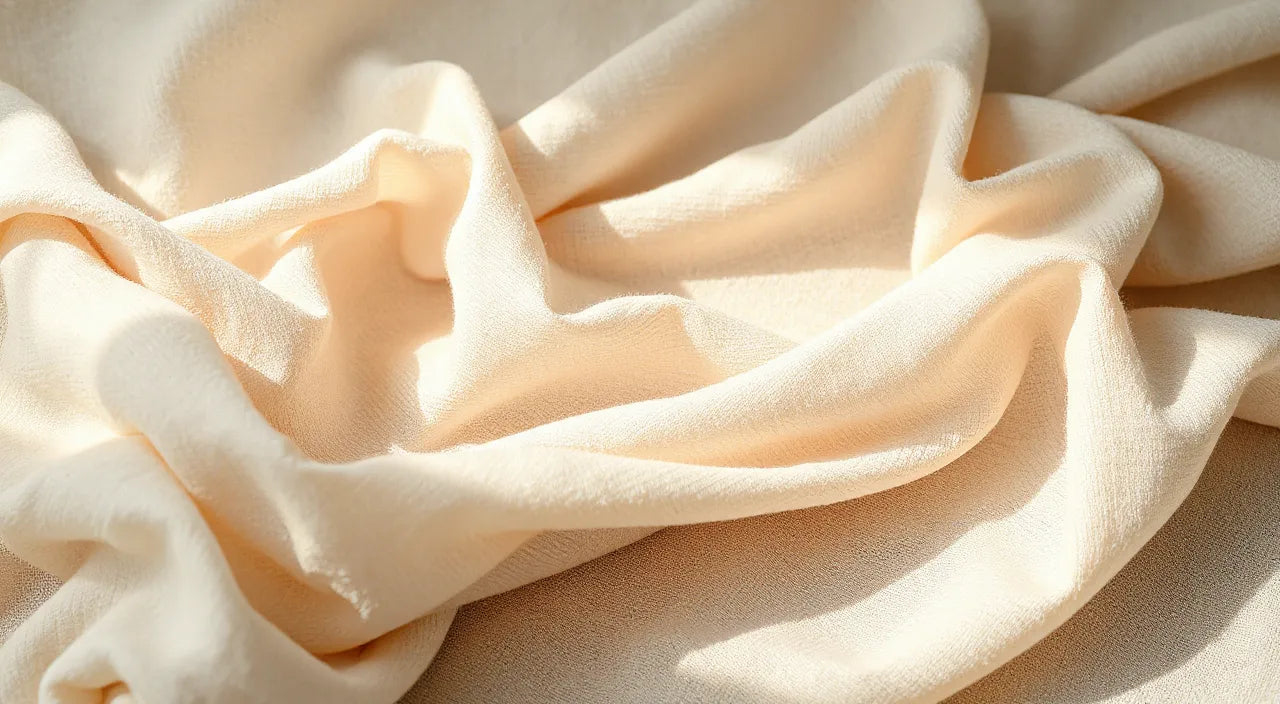
Layered textiles, soft lighting, and neutral tones
How seasonal home decor updates should be done
Use a repeatable method so each seasonal refresh stays consistent. The process below is designed to be efficient and easy to execute.
-
Choose one seasonal theme per room. A theme can be color-based, material-based, or mood-based, such as “cozy warmth” or “fresh and light.”
-
Select a base palette and stick to it. Pick two primary tones and one accent tone. This prevents random mixing and supports visual harmony.
-
Refresh the largest visible surfaces first. Update window treatments, bedding, or upholstery accents before adding smaller items.
-
Add seasonal layers in small quantities. Use pillows, throws, table runners, and wall art to carry the season without clutter.
-
Build one focal point. Choose a mantel, entry console, coffee table, or bed headboard corner. Arrange supporting items around it.
-
Finish with lighting and scent cues. Swap lampshades, adjust bulb warmth, or use subtle seasonal fragrance. These signals deepen the mood.
-
Photograph your final look. Save a reference image. Next season, you can recreate the style quickly.
When you follow these steps, the seasonal look remains structured. It also becomes easier to plan future rotations.
Styling key rooms for a cohesive seasonal look
Different rooms support seasonal decor in different ways. You do not need to change everything. Focus on the areas people notice most.
Entryway and hallway
Your entry is the first visual cue. Choose one runner, one display surface, and a small wall or table statement. Keep it simple. A seasonal tray, a coordinating set of accents, and a welcoming lighting element are enough.
Living room
The living room usually needs layered softness. Refresh your seating area first with cushion covers and a throw. Then add one decorative centerpiece. If you use wall decor, keep proportions consistent. Mix heights for a natural look.
Bedroom
Bedrooms benefit from calm seasonal styling. Favor gentle palettes and comfortable textures. Update bedding with seasonal color direction. If you use decorative items on nightstands, keep them minimal so the room feels restful.
Dining area
Dining styling can be seasonal without being complicated. Use a table runner or centerpiece that matches the palette. Add seasonal napkin styling and a lighting adjustment so the table feels warm after dark.
If you are searching for inspiration beyond home textiles, you can also explore complementary home atmosphere ideas through Dtfport.com. Use inspiration as a guide, not a replacement for a cohesive home plan.
Lighting and accessories that elevate seasonal style
Lighting changes how colors appear. It also supports mood. For seasonal decor, treat lighting as a design tool rather than a final step.
Warm light tends to make autumn and winter palettes feel cozy. Cooler light can make spring and summer colors feel crisp. Choose bulbs based on the mood you want, then adjust lamp placement to highlight focal areas.
Accessories are the details that make a seasonal home decor scheme feel complete. The most effective accessories share three traits: they reinforce the color direction, they repeat one or more materials, and they stay proportional to the room.
As a practical example for night-time ambience, consider decorative ceramic night lights from Cassandras Shop. A small, carefully placed light can enhance seasonal styling without dominating the room. You can explore options such as koi fish night light for a calming visual note, or barn owl night light for an autumn-leaning feel. If you prefer a playful sea theme, sting ray night light can add a distinctive touch while remaining subtle during the day.
Use these as accents. Seasonal decor should guide attention, not compete for it.
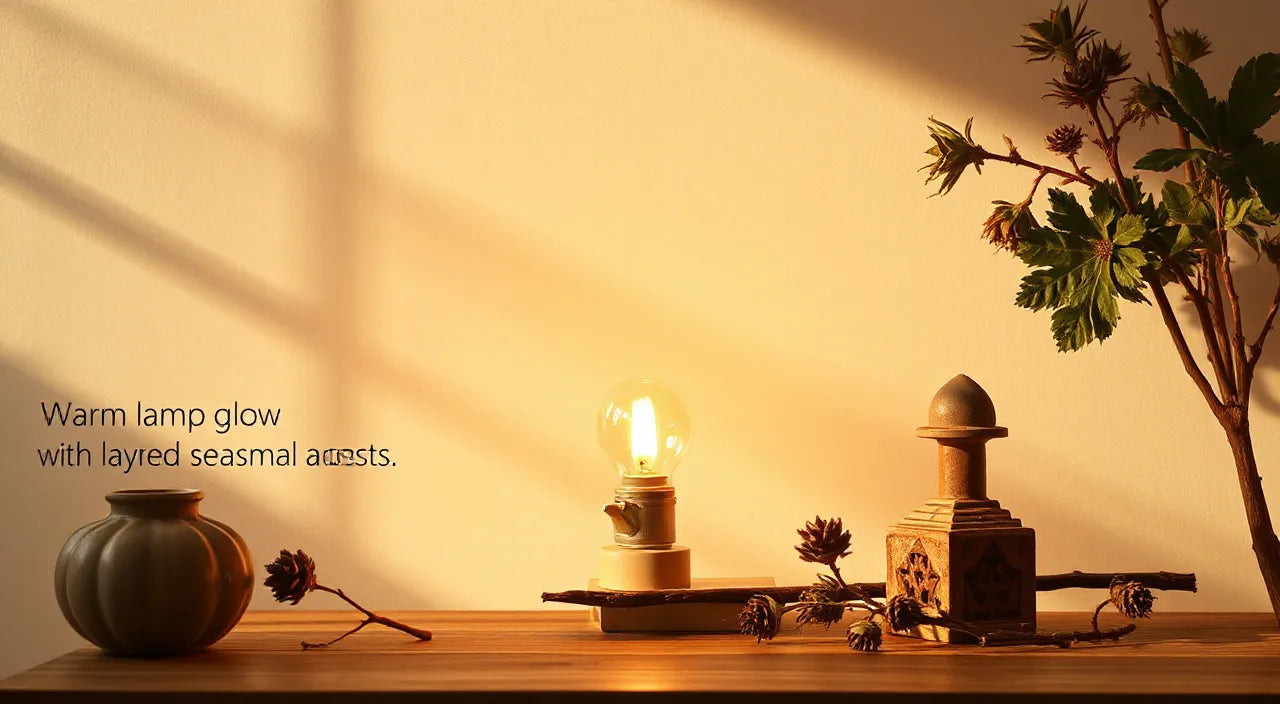
Warm lamp glow with layered seasonal accents
Storage and maintenance for long-term value
Seasonal home decor becomes less stressful when storage is designed for speed. Proper organization also helps items stay fresh, which protects your investment.
Use clear labeling. For example, group by season and room function. Store textiles in breathable bags to reduce musty odors. Keep framed pieces and delicate decorations in protective sleeves and boxes.
For items you switch frequently, create a “rotation kit.” This kit might include picture hooks, basic styling accessories, spare fasteners, and any cleaning cloths you need. When you have these items ready, seasonal changes are faster and cleaner.
Maintenance matters. Before storing, ensure items are dry and free of dust. Fabric should be clean and fully aired. Decorative pieces should be wiped with a soft cloth. Avoid harsh cleaners unless the material explicitly requires them.
Finally, set a review date. Once per year, check inventory and remove items that no longer fit your style direction. This keeps your decor system streamlined.
FAQ
How do I choose seasonal home decor colors if I have neutral furniture?
You can keep furniture neutral and still style seasonally by selecting two tones from the season and one accent that repeats in small places. Start with a main color for larger items such as cushions or throws. Then add the accent through smaller details like table styling or wall art accents. This creates seasonal change without clashing with your base palette.
What is the simplest way to update decor without buying many new items?
Focus on swapping textiles first, such as pillow covers, throws, and seasonal table runners. Then adjust lighting warmth and placement. These changes often produce a major visual shift while using what you already own. Add one focal piece per room, such as a centerpiece arrangement or a single decorative display, to finish the look.
How should I store seasonal items to keep them looking new?
Clean and fully dry items before storing. Use breathable storage for fabrics, protective sleeves for frames, and labeled bins for quick access. Keep seasonal categories together, and consider a rotation kit that includes the tools needed for quick setup. Good storage reduces dust buildup and prevents damage over time.
Closing thoughts
Seasonal home decor is not about perfection. It is about creating a home environment that feels aligned with the moment. When you plan a rotation, control your palette, and focus on focal points, your updates become easier and more consistent.
Use the steps above as a repeatable system. Begin with one room, choose a simple color direction, and layer textures with restraint. With each refresh, your space will feel more intentional, and your decor will stay practical all year.
About the Author
Cassandras Shop is an established retail brand with expertise in home ambiance and decorative styling. The team focuses on practical, visually cohesive solutions that help customers create seasonal changes with confidence. This article reflects a design-oriented approach to color, texture, and lighting that supports long-term value. Thank you for reading, and take one step today to refresh your space with clarity and purpose.
The content in this blog post is intended for general information purposes only. It should not be considered as professional, medical, or legal advice. For specific guidance related to your situation, please consult a qualified professional. The store does not assume responsibility for any decisions made based on this information.


