Seasonal Home Decor: Simple Ideas to Refresh Your Space
Cassandras ShopUpdated on: March 17, 2026
Transforming your home with seasonal home decor brings freshness and style to every corner throughout the year. This comprehensive guide explores practical strategies for updating your interior design with trending elements, color palettes, and thematic accents that reflect each season. Learn how to refresh your living spaces affordably, maintain aesthetic cohesion, and create an inviting atmosphere that resonates with current design trends and personal preferences.
Table of Contents
- Essential Tips for Seasonal Refresh
- Detailed Step-by-Step Process
- Choosing the Right Color Palettes
- Budget-Friendly Decorating Strategies
- Frequently Asked Questions
- About the Author
Embracing Seasonal Changes Through Home Decoration
Creating a home that reflects the changing seasons is an excellent way to maintain visual interest and psychological freshness within your living environment. Seasonal home decor allows homeowners and renters alike to celebrate different times of year through thoughtful design choices, textile selections, and decorative accents. Rather than investing in permanent fixtures, updating your interior with seasonal elements enables flexibility, creativity, and the opportunity to experiment with diverse design aesthetics. This approach is both sustainable and economically practical, as you can rotate items annually rather than replacing permanent furnishings.
The practice of incorporating seasonal elements into your home extends beyond mere aesthetics. Research indicates that our living environments significantly influence mood, productivity, and overall well-being. By aligning your interior design with natural seasonal transitions, you create a harmonious connection between your personal space and the external environment. This alignment fosters a sense of intentionality and mindfulness in how you inhabit and experience your home throughout the year.
Essential Tips for Seasonal Refresh
- Assess Your Current Inventory: Before purchasing new items, evaluate what seasonal decorations you already possess. Organize these pieces by season and condition to avoid unnecessary purchases and ensure you maximize existing resources.
- Establish a Color Palette: Define a cohesive color scheme for each season that complements your permanent home furnishings. This creates visual unity and prevents your space from feeling chaotic or overly eclectic.
- Invest in Versatile Pieces: Prioritize decorative items that work across multiple seasons or themes. Neutral bases with interchangeable accents offer flexibility and longevity.
- Plan Storage Solutions: Designate appropriate storage areas for off-season decorations. Climate-controlled spaces protect delicate items and make future seasonal transitions more efficient.
- Create a Transition Timeline: Establish specific dates when you will refresh your seasonal home decor. Planning ahead prevents last-minute stress and allows for thoughtful curation.
- Mix Old and New: Combine cherished vintage or inherited pieces with contemporary elements to create depth and personal narrative within your design scheme.
- Consider Natural Elements: Incorporate botanicals, branches, stones, and other natural materials that reflect each season authentically and sustainably.
Layered textures and neutral tones create cohesive seasonal transitions year-round.
Detailed Step-by-Step Process for Seasonal Updates
Step One: Evaluate Your Space and Lighting
Begin by assessing your home's natural lighting, architectural features, and existing furniture. Understanding these fundamental elements ensures that seasonal choices enhance rather than conflict with your space. Note which areas receive natural light throughout the day and how this changes seasonally. Lighting directly impacts how colors and textures appear, making this assessment crucial for successful decorative planning.
Step Two: Define Your Seasonal Themes
Establish distinct visual themes for spring, summer, autumn, and winter. Spring might emphasize renewal with fresh florals and pastels. Summer could celebrate warmth through bright, energetic tones and natural textures. Autumn invites rich earth tones and harvest elements, while winter embraces cool metallics, deep jewel tones, and cozy textures. These themes provide creative direction for your decorative selections.
Step Three: Select Core Decorative Elements
Identify key pieces that define each season. For spring, consider fresh flowers, lightweight textiles, and bright artwork. Summer calls for tropical plants, light linens, and coastal-inspired accents. Autumn benefits from fallen leaves, warming candles, and plaid patterns. Winter thrives with evergreen garland, warm lighting, and luxurious fabrics. These core elements establish the foundation of your seasonal aesthetic and should reflect your personal style preferences.
Step Four: Update Textiles Strategically
Textiles offer an affordable and impactful way to refresh your space seasonally. Swap lightweight cotton throws for heavier wool blankets, change pillow covers to reflect color palette adjustments, and rotate rugs if appropriate. Textiles directly affect both visual appearance and tactile comfort, making them essential to successful seasonal transitions. Quality textile pieces justify investment as they endure multiple seasonal cycles.
Step Five: Incorporate Lighting Adjustments
Lighting profoundly influences seasonal atmosphere. Warm, dimmed lighting enhances cozy winter settings, while bright, natural light suits spring and summer schemes. Consider adjustable light fixtures, lamp shade colors, and strategic placement of decorative lighting elements like ceramic night lights to create appropriate ambiance for each season.
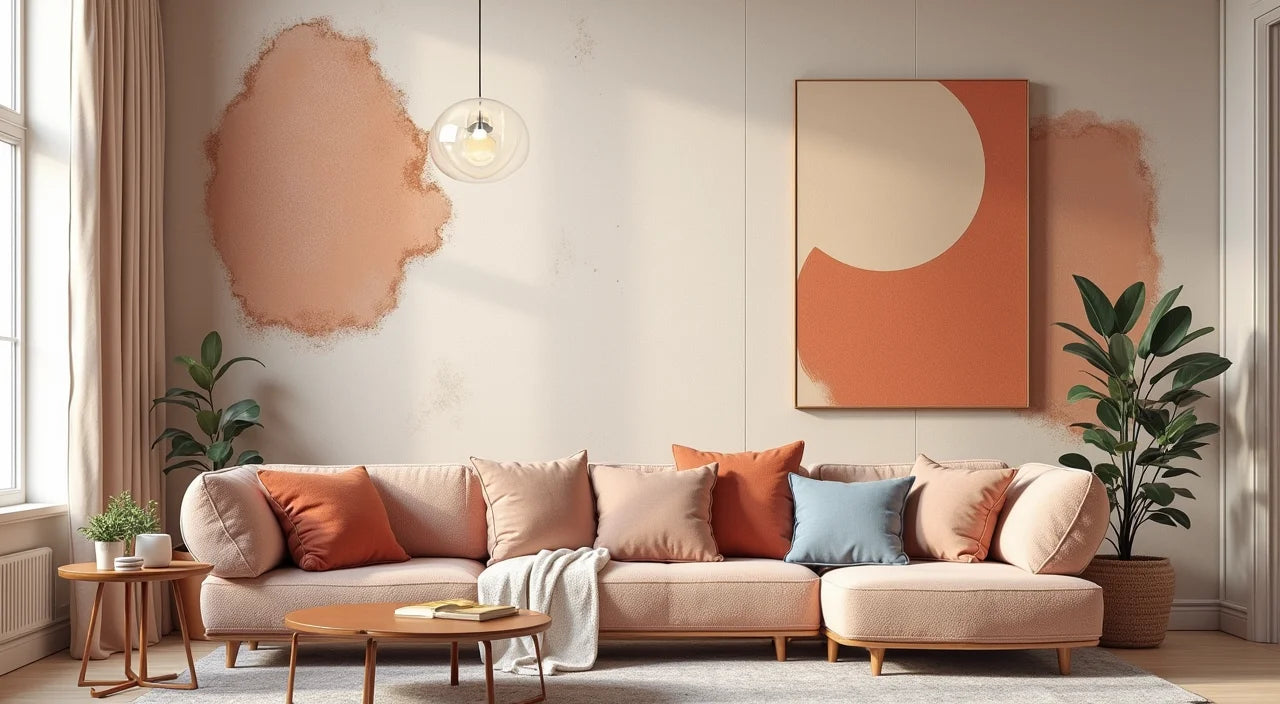
Warm metallic accents and jewel tones define sophisticated winter interiors.
Step Six: Finalize with Finishing Touches
Complete your seasonal refresh with thoughtful finishing touches such as artwork rotation, decorative objects, wall hangings, and tabletop arrangements. These details personalize your space and reflect your unique aesthetic voice. Finishing touches should feel intentional rather than accidental, contributing meaningfully to your overall design composition.
Choosing the Right Color Palettes for Each Season
Color represents the most transformative element of seasonal home decor. Spring invites soft pastels including blush pink, sage green, pale yellow, and light blue, creating an atmosphere of renewal and freshness. These colors align with flowering plants, new growth, and the visual lightness of the season. Pairing pastels with white or cream bases prevents spaces from appearing washed out while maintaining the season's delicate quality.
Summer embraces bold, vibrant colors reflecting warmth and energy. Coral, turquoise, sunny yellow, and grass green create dynamic, cheerful environments. These colors withstand strong natural light and photograph well in bright conditions. Incorporating white or neutral accents prevents visual saturation and maintains sophistication alongside vibrancy.
Autumn celebrates rich, earthy tones including burnt orange, deep burgundy, golden yellow, forest green, and warm brown. These colors evoke harvest abundance, cozy comfort, and natural change. Metallic gold accents enhance autumn's warmth, while maintaining earthiness prevents the palette from feeling overly themed or costume-like.
Winter transitions toward cool, sophisticated tones including navy blue, charcoal gray, deep emerald, silver, and gold. These colors create elegant, serene environments suited to introspection and restfulness. White snow-inspired accents brighten winter schemes, while warm wood tones provide grounding elements that prevent spaces from feeling cold or uninviting.
Budget-Friendly Strategies for Seasonal Decoration
Refreshing your seasonal home decor need not require substantial financial investment. Strategic shopping and creative resourcefulness yield impressive results without excessive spending. Visit thrift stores, online marketplaces, and seasonal sales to source quality pieces at reduced prices. Building your collection gradually allows thoughtful curation without the pressure of immediate complete transformation.
Creating decorative elements through do-it-yourself projects adds personalization while minimizing costs. Painting terracotta pots, creating floral arrangements from gathered branches, or crafting textile accents from fabric scraps demonstrates creativity and investment of personal effort. These handmade elements often carry greater meaning than purchased items and tell authentic stories about your design journey.
Borrowing items from friends and family members, exchanging seasonal decorations, or participating in community swap events provides access to diverse pieces without purchase costs. These social approaches simultaneously strengthen community bonds and promote sustainable consumption practices.
Focusing decorative effort on high-visibility areas maximizes visual impact without requiring comprehensive home transformation. Emphasizing entry areas, living rooms, and dining spaces creates impressive seasonal impact while allowing bedrooms and lesser-used areas to remain understated. This strategic approach yields maximum aesthetic benefit from your decorating effort and investment.
Frequently Asked Questions
When Should I Begin Seasonal Home Decor Transitions?
Optimal transition timing varies based on personal preference and climate. Many people begin spring decorating in late February, summer updates in May, autumn transformations in August, and winter preparations in October. Rather than rigid adherence to calendar dates, transition when the previous season begins feeling stale and you desire aesthetic change. Paying attention to your emotional responses guides appropriate transition timing.
How Can I Store Seasonal Decorations Effectively?
Utilize clear plastic containers with detailed labels indicating contents and associated season. Store items in climate-controlled spaces away from direct sunlight, moisture, and temperature fluctuations. Wrap fragile pieces individually using tissue paper or bubble wrap. Organize storage by season and create an inventory system referencing container locations. Proper storage extends decoration lifespan and simplifies future seasonal transitions significantly.
What If My Home Has Limited Space for Seasonal Storage?
Prioritize storing only essential, irreplaceable items. Donate or sell decorations you have not used within two years. Utilize vertical storage solutions such as wall-mounted shelving or overhead racks. Consider multifunctional storage furniture that serves decorative purposes when displayed. Embrace a minimalist approach, rotating fewer, higher-quality pieces rather than accumulating excessive seasonal items. Limited storage actually encourages more intentional, curated seasonal refreshes.
How Do I Maintain Cohesion When Changing Seasonal Home Decor Frequently?
Establish a consistent underlying design foundation using permanent furnishings and neutral wall colors. Rotate seasonal elements atop this stable base, allowing foundational pieces to provide visual continuity. Maintain consistent color themes across seasons rather than completely abandoning previous palettes. Incorporate signature personal elements such as favorite artwork, family photographs, or meaningful objects that remain displayed throughout seasonal transitions, anchoring your space emotionally and visually.
Are There Specific Items That Work Well Across Multiple Seasons?
Absolutely. Neutral textiles, natural wood elements, geometric patterns, and versatile lighting fixtures transition easily between seasons. Botanical elements like branches, stones, and wood pieces adapt to various seasonal contexts. Incorporate items such as ceramic decorative accents that feature timeless designs transcending seasonal specificity. Building your collection around these versatile pieces maximizes longevity and minimizes storage demands.
Summary and Key Takeaways
Seasonal home decor transforms living spaces throughout the year, celebrating natural transitions while maintaining personal style consistency. Strategic planning, thoughtful color selection, and intentional decorative choices create aesthetically cohesive environments reflecting each season's unique character. Begin by assessing your existing inventory, establishing clear color palettes, and investing in versatile pieces that serve multiple seasons effectively. Update textiles, lighting, and decorative accents systematically using step-by-step approaches that prevent overwhelming transformation. Budget-friendly strategies including thrift shopping, do-it-yourself projects, and community swaps make seasonal refreshing accessible regardless of financial constraints. Proper storage solutions ensure decorations remain protected and accessible for future seasons. By embracing seasonal change through thoughtful interior design, you create dynamic, inviting homes that feel fresh, intentional, and deeply connected to natural cycles while reflecting your authentic personal aesthetic.
About the Author
Sarah Mitchell is a design strategist and seasonal home styling specialist at Cassandras Shop, where she guides customers in creating beautiful, functional living spaces through thoughtful seasonal decoration. With eight years of experience in interior design consulting, Sarah specializes in budget-friendly refresh strategies and sustainable decorating practices. Her approach emphasizes personal creativity, environmental consciousness, and the meaningful connection between home environments and emotional well-being. When not designing, Sarah enjoys experimenting with DIY projects, exploring botanical elements in nature, and inspiring others to embrace seasonal change as a form of intentional living.
The content in this blog post is intended for general information purposes only. It should not be considered as professional, medical, or legal advice. For specific guidance related to your situation, please consult a qualified professional. The store does not assume responsibility for any decisions made based on this information.