Seasonal Home Decor Refresh: Easy Style Swaps
Cassandras ShopUpdated on: 2026-05-30
Seasonal home decor helps you refresh a space without major renovations.
With a clear plan, you can adjust color, texture, lighting, and styling to match the season.
The most effective updates are cohesive and repeatable, using a few core elements each season.
This guide covers common mistakes, a buyer’s checklist, and practical options that support a calm, inviting home atmosphere.
Seasonal home decor is one of the most efficient ways to keep your home feeling current, comfortable, and intentional. Instead of replacing everything, you can rotate a small set of styling choices that adapt to changing weather, daylight, and mood. When you select the right mix of colors, textures, and lighting, your space becomes more welcoming in every season. The goal is not to chase trends, but to build a flexible system you can use year after year.
Common Mistakes
Many buyers purchase seasonal home decor items that look appealing in a store photo, but do not work in the home they are meant to enhance. A common issue is choosing pieces that do not match the existing palette, materials, or scale. When the update feels mismatched, the room can appear visually busy rather than refreshed.
Buying too many statement items at once, which reduces cohesion.
Ignoring scale and placement, especially for wall hangings, floor textiles, and tabletop styling.
Overlooking lighting, even though seasonal mood is often driven by how light reflects and softens surfaces.
Using only color changes, while neglecting texture and pattern, which limits the seasonal effect.
Failing to create a repeatable rotation strategy, which makes future updates feel random and costly.
Another frequent mistake is storing decor items in a way that leads to fading, dust buildup, or damage. Fabric and delicate surfaces require careful packing. If you want your seasonal home decor to last, treat it like a long-term system rather than a short-lived purchase.

Color swatches, fabric textures, and soft light beams
Buyer’s Checklist
Before you buy, define the role each item will play in your seasonal refresh. A good checklist prevents impulsive purchases and helps you build a cohesive look. Use these criteria to narrow down what matters most for your room and your lifestyle.
Palette fit: Confirm the colors complement your existing walls, flooring, and main furniture tones.
Texture balance: Choose at least two texture categories, such as knit, woven, wood-like finishes, or matte ceramics.
Lighting contribution: Prioritize warm, diffused light sources that reduce harsh shadows.
Multi-season usability: Select items that transition across two seasons, not only one.
Placement clarity: Decide where each item will go before checkout.
Material care: Verify cleaning and storage needs to protect your investment.
Style continuity: Keep one or two signature motifs consistent, such as nature-inspired patterns or classic neutrals.
When you use this approach, seasonal home decor becomes easier to manage. You also reduce the chance that items will remain unused after the first season.
How to Build a Seasonal Plan
A seasonal plan turns decor into a system. It also makes budgeting more predictable. Begin by identifying the spaces you want to refresh first. Most homes benefit from updating visible areas, such as the living room, entryway, bedroom, and bedside lighting.
Next, decide what stays and what changes. For example, furniture usually remains stable, while textiles, accents, and lighting can rotate. Build around a baseline that is neutral and adaptable. Then add seasonal elements through items that are easy to swap, such as throw pillows, small tabletop accents, and seasonal color accents.
Consider creating a simple rotation schedule. You can reuse part of your spring set in summer and carry select pieces into autumn. This reduces waste and helps your home decor look intentional rather than temporary.
Seasonal Color, Texture, and Lighting
Seasonal mood is created through a combination of color, texture, and illumination. Color sets the emotional tone. Texture adds depth and softness. Lighting controls atmosphere. When all three align, your seasonal home decor looks curated and balanced.
Color strategy
Choose a main color direction and one supporting color. In many homes, neutrals provide the best anchor. Then you can add a seasonal accent color through textiles and small decor pieces. For instance, you can shift from brighter tones to deeper hues as the year progresses. Keep the changes gradual rather than abrupt for the most cohesive results.
Texture strategy
Texture makes seasonal styling feel real, not artificial. In cooler months, woven and knit textures add comfort. In warmer months, lighter materials and smooth surfaces can feel airy. Mixing matte and slightly reflective finishes also improves visual interest without clutter.
Lighting strategy
Lighting is often the fastest way to make seasonal updates feel complete. Warm light softens contrast and highlights textures. Diffused illumination can also reduce the sharpness of dark color accents. If you want a consistent seasonal mood, choose lighting sources that you can use across multiple seasons.
If you are updating your lighting theme, you may find it helpful to explore decorative night-light options that align with your seasonal palette. Consider these product pages for inspiration and style direction: owl night light, heron night light, sting ray night light, and blue jay night light.
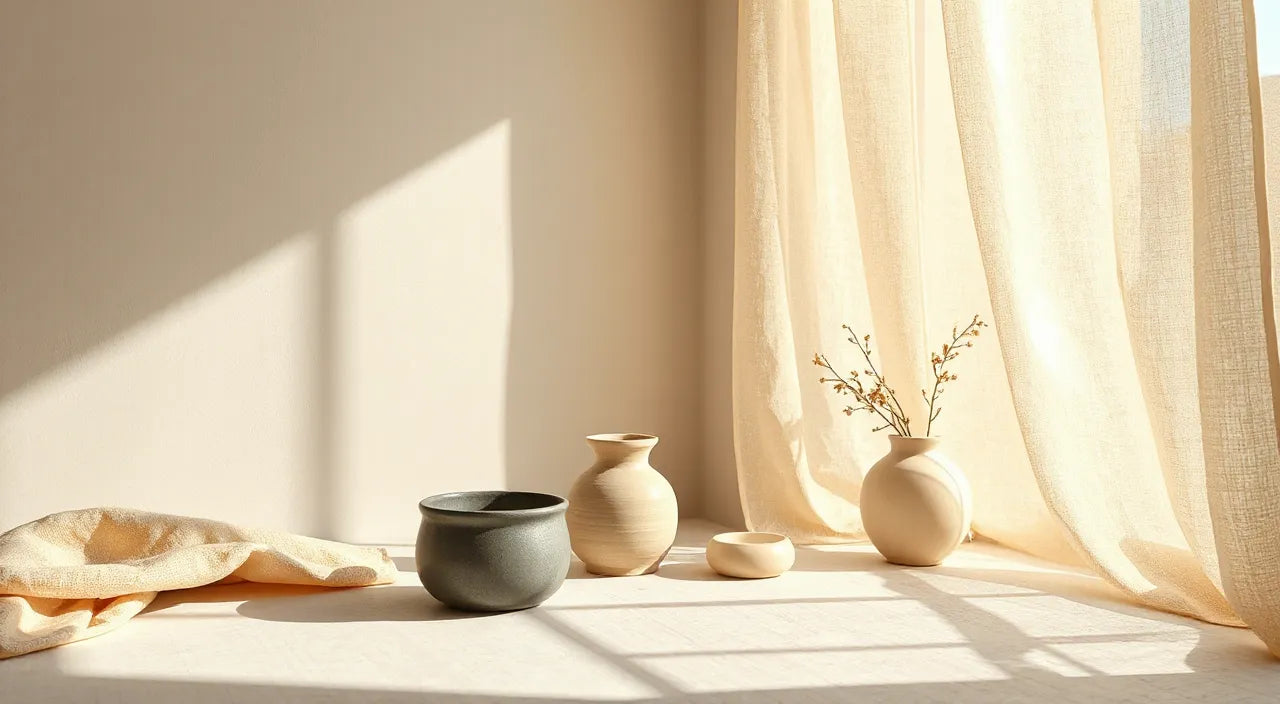
Layered warm light with neutral textiles and ceramics
Entryway and Living Room Updates
Your entryway sets the tone for the rest of your home. A few well-chosen seasonal elements can make the transition feel natural and welcoming. Focus on what guests and family see first: the lighting, the tabletop surface, and one or two focal accents.
For living rooms, start with the dominant surfaces. Update throw pillows and a small textile to introduce seasonal color. Then add a secondary accent piece to support the theme. If your living room includes wall art, consider swapping small frames or adjusting the arrangement to match the seasonal palette.
To enhance cohesion, repeat one visual idea in two places. For example, you can use nature-inspired motifs in both a textile pattern and a lighting accent. This approach supports a calm look and prevents the room from feeling like separate collections of unrelated items.
Bedroom and Bathroom Updates
Bedrooms benefit from a softer seasonal approach. Instead of bold changes, choose calming colors and textures. Warm lighting helps create a restful environment. A subtle decorative night-light effect can also support evening routines by reducing harsh overhead lighting.
Bathrooms respond well to small updates that maintain cleanliness and simplicity. Swap or refresh a few textiles, such as a hand towel set or a small bath mat. Consider seasonal color coordination rather than high-contrast themes that can feel visually demanding. If your bathroom includes a vanity surface, add one small accent that aligns with the broader seasonal palette.
When selecting seasonal home decor for these spaces, prioritize practical placement. Ensure items are stable, easy to maintain, and positioned so they do not interfere with daily use.
FAQ Section
What is the best way to start seasonal home decor if I have limited storage?
Start with rotation-friendly categories: textiles, small accent pieces, and lighting. Choose a neutral base and add a small number of seasonal elements per room. Aim for items that can work in two seasons to reduce the total number of storage containers.
How many seasonal home decor items should I buy per room?
A practical range is three to seven items per room, depending on room size and how much you already own. Focus on cohesive elements such as one textile update, one focal accent, and one lighting-related change. More items are not always better if the styling is not unified.
How do I keep seasonal decor from looking cluttered?
Limit the number of focal points and repeat one theme across different categories. Use consistent colors, keep patterns scaled appropriately, and maintain negative space so surfaces remain visually calm. If an item does not contribute to the overall color or texture strategy, it will likely reduce clarity.
Can seasonal decor match a minimalist interior?
Yes. Minimalist interiors benefit from subtle shifts rather than heavy layering. Choose neutral tones with one seasonal accent color, incorporate tactile texture through a single textile change, and rely on warm lighting to create the seasonal atmosphere.
What should I look for in durable seasonal lighting accents?
Look for stable placement, easy cleaning, and finishes that resist discoloration over time. Warm, diffused light generally feels more seasonal and more flattering than harsh direct lighting. Always follow manufacturer care and safety instructions.
Wrap-Up & Final Thoughts
Seasonal home decor is most successful when it functions as a repeatable system. When you plan around palette, texture, and lighting, you create a cohesive look that feels intentional rather than temporary. Avoid common pitfalls like buying too many unrelated pieces, neglecting scale, or overlooking how lighting changes the room. With a clear checklist and a small rotation strategy, you can keep your home fresh across the year while protecting your time and budget.
If you want seasonal updates that blend charm and warm atmosphere, review curated night-light options on Cassandras Shop to find inspiration for lighting accents that suit different seasonal moods.
Q&A Section
Is seasonal home decor only about holidays? Seasonal styling can be based on weather, daylight, and personal mood. You can refresh your space for spring, summer, autumn, and winter without relying on holiday themes.
Should I match every item to the same color palette? You should aim for harmony rather than perfect matching. Use one main direction plus supporting neutrals, and repeat a small number of visual cues across textiles and lighting.
What is the fastest seasonal change with the largest impact? Lighting and textiles usually deliver the most noticeable improvement. Warm, diffused light and updated fabric textures can transform a room quickly.
About the Author Section
Cassandras Shop contributes practical design guidance based on home styling fundamentals, seasonal rotation principles, and product selection considerations for warm, inviting spaces. The author team focuses on helping readers make confident buying decisions that fit real home layouts. Expect clear recommendations, cohesive styling ideas, and care-focused considerations that support long-term use. Thank you for reading, and may your home feel beautifully refreshed throughout the year.
The content in this blog post is intended for general information purposes only. It should not be considered as professional, medical, or legal advice. For specific guidance related to your situation, please consult a qualified professional. The store does not assume responsibility for any decisions made based on this information.