

Seasonal Decor Items: Refresh Your Home by Style
Cassandras ShopUpdated on: 2026-11-16
Seasonal decor items provide a practical way to refresh a home without a full remodel. The right pieces can help your space feel coordinated, welcoming, and aligned with the time of year. When you choose materials, sizes, and color palettes thoughtfully, the updates look intentional rather than temporary. With a clear plan, you can rotate accents efficiently and keep your styling consistent across seasons.
- 1. Understanding Seasonal Decor Items
- 2. Did You Know?
- 3. Comparison: Pros & Cons
- 4. Buyer’s Checklist
- 5. How to Style for Multiple Seasons
- 6. Visual Planning for Seasonal Themes
- 7. Quality and Materials That Hold Up
- 8. Budget-Smart Rotation Strategy
- 9. Visual Cues for Cohesive Updates
- 10. Final Thoughts & Advice
- 11. Q&A Section
Understanding Seasonal Decor Items
Seasonal decor items are home accessories and accents designed to match the mood of a specific season. They can be themed or simply color-forward, using tones, textures, and symbols that people naturally associate with spring, summer, autumn, and winter. Unlike permanent renovations, these elements are easier to swap, store, and update. The result is a home that feels current without requiring constant purchases.
A successful seasonal refresh usually depends on three choices. First, decide what type of change you want: subtle color updates, a themed focal point, or a full room styling shift. Second, choose pieces that match your existing layout. This includes furniture scale, wall color, and the level of natural light in each room. Third, plan for repeatability. Many decor concepts can work year after year if you select neutral bases and rotate smaller accents.
When you approach seasonal decor with structure, you avoid the common problem of clutter. The goal is not to fill every space. It is to create visual hierarchy. A few intentional pieces placed at eye level, on key surfaces, or along sightlines can transform the feel of a room. Think in terms of entryways, fireplaces, shelves, dining tables, and bedside areas. These are the places where people naturally look and where seasonal cues have the most impact.
Did You Know?
- Seasonal styling often works best when you limit the palette to two dominant colors and one accent tone.
- Texture changes can create a “seasonal” effect even when colors stay consistent.
- Storage strategy influences long-term satisfaction. Labelled bins and protected wrapping reduce wear and replacement.
- Small lighting updates can make the entire room feel different, especially in the evening.
Comparison: Pros & Cons
-
Seasonal accent swaps
- Pros: Low cost, quick refresh, easy rotation, minimal storage complexity.
- Cons: May require repeat purchases if you buy without a plan.
-
Theme-heavy statement decor
- Pros: Strong visual impact, good for holidays and gatherings, memorable focal points.
- Cons: Can feel dated if themes are too specific, sometimes harder to repurpose later.
-
Neutral-led “all-season” systems
- Pros: Works year round, supports gradual seasonal layering, reduces waste.
- Cons: Requires patience and curation to make each season distinct.
Buyer’s Checklist
Before purchasing seasonal decor items, define your objective. Are you aiming for a warmer atmosphere, a brighter look, or a more cohesive home style? Once you know the goal, use this checklist to reduce returns and improve long-term usability.
- Measure first: Confirm surface width, shelf depth, and tabletop space.
- Choose a color plan: Pick a consistent base palette and select seasonal accents.
- Prioritize versatility: Select items that complement multiple rooms or can be styled in different ways.
- Check material and care: Look for finishes that withstand regular handling and storage.
- Plan for lighting: If possible, include accents that work in daytime and evening settings.
- Evaluate storage: Ensure the piece can be wrapped, stacked, or protected without deformation.
- Balance focal points: Use one main statement per room and support it with smaller details.
- Keep a repeatable system: Use the same placement patterns each season for consistency.
If you want additional inspiration for a lived-in style approach, you can review this related guide: Pet Themed Home Decor Creating Stylish Pet Friendly Spaces.
What to buy first
Many homes benefit from starting with “foundation accents.” Examples include washable textiles, neutral trays for group styling, and lighting-related pieces that remain useful across seasons. Once the foundation is in place, seasonal accents become easier to coordinate. This approach prevents the common issue of buying decor that looks good in isolation but does not integrate into your existing design.
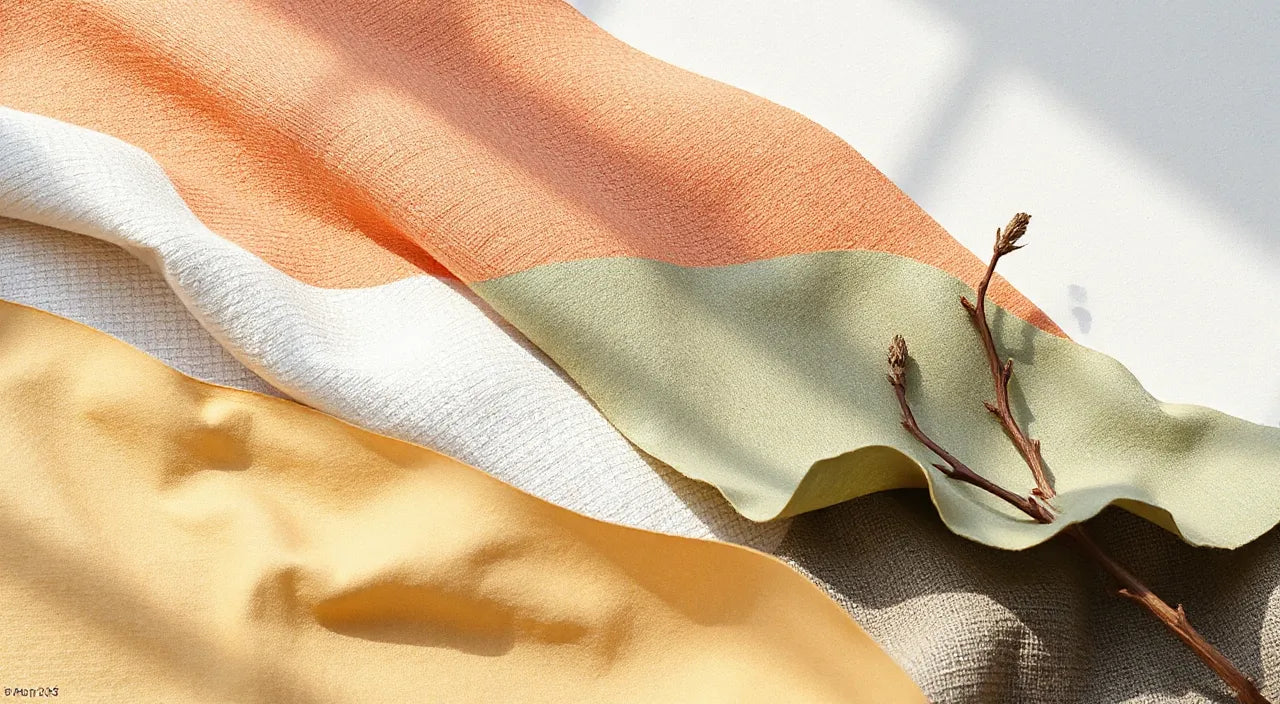
Layered color swatches and textured backgrounds for seasonal mood
How to Style for Multiple Seasons
Seasonal decor items should not require a full reset every time the calendar changes. The most effective systems are built around a stable core and rotating accents. Begin with a “base layer” that stays consistent across the year. This can include neutral wall art, timeless furniture pieces, and storage-friendly decor containers.
Next, apply seasonal cues using three categories. Category one is color. Use seasonal tones in small doses, such as on pillows, table styling, or decorative accents. Category two is texture. Swap or layer materials that signal weather patterns, such as smoother finishes for warm months and richer textures for cooler months. Category three is symbol and shape. Seasonal motifs can be subtle, such as leaf-inspired forms in autumn or light-themed shapes in winter.
Placement rules that create cohesion
- Anchor points: Choose one area per room where your seasonal story begins, such as a mantel, a console table, or a dining centerpiece.
- Height variety: Mix heights using books, risers, or stacked display layers. This creates depth without overcrowding.
- Repeat a detail: Use one motif across two or three locations to make the look feel intentional.
- Respect sightlines: Ensure the most visible items are placed where they can be seen from common standing positions.
Visual Planning for Seasonal Themes
When you plan visually, seasonal decorating becomes more efficient. Instead of buying multiple items at once, you can map your theme first. Create a simple board in your notes app or with paper. Add the main color(s), the texture direction, and the placement list. This planning step reduces impulse purchases and improves the final coordination.
Another approach is to decide what you will keep in each season. For example, you might keep a tray on the coffee table year round, then swap only what sits on the tray. This creates continuity. Continuity lowers decision fatigue and reduces storage complexity.
Quality and Materials That Hold Up
Decor that is repeatedly handled must be durable. Quality matters because seasonal items often move in and out of storage. Look for finishes that are stable, textures that do not shed, and materials that handle dust without difficult cleaning.
For lighting-related decor and atmosphere-focused accents, focus on safe construction and consistent performance. If you incorporate decorative night lighting, select pieces that are designed for stable placement and reliable operation. Items that blend a warm glow with a decorative form can enhance evening ambiance and make seasonal styling feel more complete.
Within the context of seasonal decor items, a small lighting accent can act as a seasonal “mood engine.” You can pair it with seasonal colors without needing large thematic changes. A consistent lighting source supports a cohesive look, even when you rotate other accessories throughout the year.
If you prefer a nature-inspired tone, consider browsing similar decorative lighting options on the Cassandras Shop site. For example, you can explore: Barn owl ceramic night light. Decorative night lights can serve as both an accent and a practical evening detail.

Warm glow halos and seasonal color accents in a layout grid
Budget-Smart Rotation Strategy
Seasonal decorating can be budget-friendly when purchases follow a rotation plan. Start with a “repeatable shortlist.” Select a few pieces you can style multiple ways, then choose smaller additions each season. This strategy supports a growing collection without sudden spikes in spending.
Use a three-step rotation schedule. Step one is seasonal layering. Add one new accent category per season: a color update, a texture shift, or a theme detail. Step two is consolidation. When you move into the next season, store the most specific items while keeping the neutral base ready. Step three is careful auditing. Each time you refresh, confirm that every piece earns its place visually. If an item does not integrate easily, it may not be part of your long-term system.
How to prevent clutter and decision fatigue
- Limit the count: For each room, set a cap on the number of seasonal accents displayed at one time.
- Use groups: Place small items in coordinated groupings, such as a cluster on a tray, instead of scattering them individually.
- Store by season and room: Keep items together based on where you place them, not just by theme.
- Document your placement: Take a simple photo when you finish. Repeat the next season with updated accents.
Final Thoughts & Advice
Seasonal decor items can elevate everyday living when you treat them as part of a coherent design system. Focus on a consistent base, select a limited palette, and use lighting and texture to amplify seasonal cues. With intentional placement and storage planning, your home can feel refreshed each season without becoming cluttered or overly themed.
Adopt a cautious purchasing approach. Buy fewer, better-integrated pieces first. Then expand gradually based on what you enjoy styling. Over time, you will build a collection that fits your space and supports an elegant, practical seasonal routine.
Q&A Section
How many seasonal decor items should I display at once?
A practical guideline is to display a small set of intentional accents per room. Choose one primary statement area and support it with two to five smaller pieces. The exact number depends on room size, but cohesion improves when items relate to each other through shared colors, repeated motifs, or consistent textures.
What is the easiest way to make seasonal decorating look cohesive?
Use a stable base palette and apply seasonal change through limited accent tones. You can also repeat one visual detail across multiple locations, such as a shape, color family, or texture direction. Lighting can further unify the look because it affects how colors and finishes appear in the evening.
Can seasonal decor work year-round without becoming themed?
Yes. Choose all-season-friendly items with neutral designs and add seasonal cues through removable layers. For example, you can rotate color accents, swap textiles, and adjust small decorative details while keeping foundational elements consistent. This approach supports variety without a sense of constant reinvention.
About the Author
About Cassandras Shop
Cassandras Shop is guided by a design-forward approach to home accents and atmosphere-focused decor. The team emphasizes practical styling principles, durable materials, and thoughtful seasonal expression. With expertise in curated home presentation, Cassandras Shop supports customers who want their spaces to feel welcoming and cohesive. Thank you for reading, and may your seasonal refresh be both efficient and inspiring.
Disclaimer: This article provides general home styling guidance. Product availability, materials, and care instructions can vary by manufacturer and listing. Always follow official product guidelines for safe use and maintenance.
The content in this blog post is intended for general information purposes only. It should not be considered as professional, medical, or legal advice. For specific guidance related to your situation, please consult a qualified professional. The store does not assume responsibility for any decisions made based on this information.


