Quirky Home Accessories That Spark Instant Personality
Cassandras ShopUpdated on: 2026-06-16
Quirky home accessories can transform everyday rooms into spaces with character and intention. They offer a simple way to express taste, add warmth, and improve visual balance. This guide explains practical selection strategies, placement ideas, and care considerations. You will also find expert tips, a relatable story, and a question-and-answer section to support confident choices.
Table of Contents
Quirky Home Accessories: A Simple Way to Personalize Any Room
Quirky home accessories can turn a plain room into a memorable one, without requiring a full renovation. When thoughtfully selected, they add color, texture, and a story to your daily environment. This is especially valuable in modern homes where many rooms share similar neutral palettes and minimal designs. Small creative accents help you create a sense of belonging, and they can even guide how you move through a space.
In this article, you will learn how to choose quirky home accessories that suit your existing decor, how to place them for visual harmony, and how to care for them so they remain attractive over time. You will also see how lighting and small decorative objects can work together to create a cohesive look.
Did You Know?
- Decor accents often influence perception more than large furniture changes.
- One unexpected shape can make a room feel more intentional and layered.
- Texture plays a key role in making decorative objects look “designed,” not random.
- Warm lighting can enhance color depth in accessories and textiles.
- A consistent theme, such as animals, nature, or travel motifs, improves cohesion.
Expert Tips
- Start with one focal area, such as a console, shelf, or bedside table, then build around it.
- Use a “one, two, three” rule: one main accessory, two supporting pieces, and a neutral connector item.
- Match materials across your room. For example, pair ceramics with wood tones or metal accents.
- Choose a color relationship instead of an exact color match. Similar undertones look more refined.
- Test scale by visualizing spacing. Items placed too close can feel crowded, even if they look attractive alone.
Personal Anecdote
I once helped a friend refresh a living room that already had a clean, modern layout. The space looked polished, yet it felt emotionally distant. We did not replace the furniture. Instead, we added a few quirky accents with nature-inspired shapes and warm-toned highlights. Within a week, the room looked less like a showroom and more like a home.
The most effective change was not the biggest item. It was the way the accessories interacted with light at different times of day. Even simple placement near a lamp created a soft rhythm. That experience reinforced a key principle: small decisions can produce large atmosphere shifts.
How to Choose Quirky Home Accessories
Choosing quirky home accessories becomes easier when you approach it as an editorial process. You are not buying random decor; you are curating visual signals that fit your lifestyle.
Define your “quirk” without losing coherence
Quirk can be expressed in many ways, such as unusual silhouettes, whimsical motifs, or playful color contrasts. Still, coherence matters. Select one primary theme and allow other elements to support it. Examples include nature scenes, animal motifs, or seaside mood cues. When your theme remains consistent, even bold accents feel balanced.
Prioritize quality of form and finish
Many quirky items stand out because of shape and detailing. Before you buy, evaluate the finish quality. Accessories with clean edges, stable bases, and well-defined textures look more premium and also age better. This is especially important for shelf items and bedside pieces that are touched or moved regularly.
Think in layers, not in isolated objects
Rooms feel complete when accessories create depth. Pair a decorative object with complementary layers, such as a book, a soft fabric element, or a small tray. This approach prevents accessories from appearing like single “placements” that lack connection.
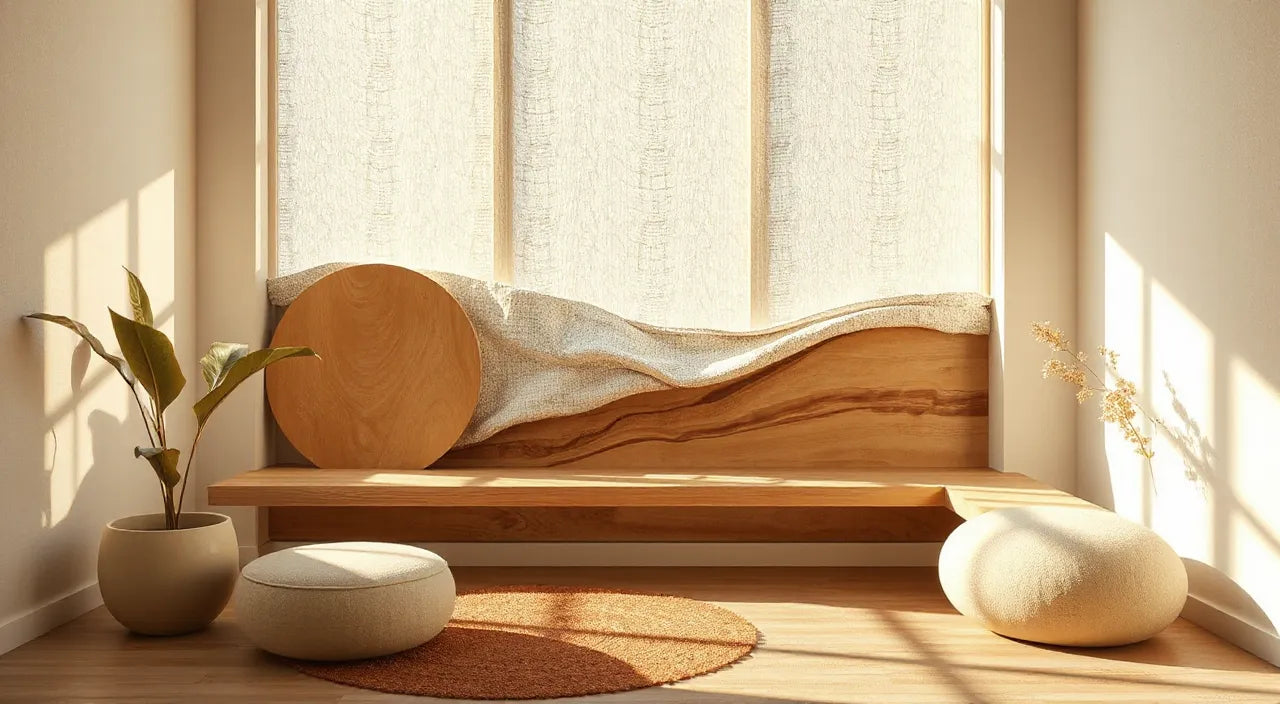
Layered decor concept with shapes, textures, warm light
Use lighting as a style tool
Lighting can amplify the impact of quirky accessories. A subtle glow can add dimension to ceramic textures, highlight color transitions, and soften sharp shadows. For bedrooms and cozy corners, warm illumination often creates the most welcoming effect.
If you want a practical example of how lighting integrates with character, consider browsing the ceramic night light collection at ceramic night lights. Nature-inspired motifs can add charm while still functioning as everyday decor.
Placement and Styling Rules
Good placement is what turns quirky accessories into intentional design. The goal is to guide the eye and support existing architecture, not to clutter surfaces.
Follow sightline logic
Place accessories where you naturally look when entering the room or walking past it. Common sightline zones include the top third of shelving, the outer edge of a console, or the bedside table area that is visible from bed. When accessories sit in high-visibility areas, they enhance mood every day.
Balance statement pieces with calmer companions
If you choose a more expressive accessory, pair it with calmer supporting items. Neutral ceramics, smooth glass, or simple textiles can tone down visual noise. Balance does not mean “boring.” It means the composition feels stable.
Use odd-number grouping
Grouping in odd counts often feels natural to the eye. Try three items with different heights. A tall element anchors the arrangement. A medium element provides structure. A smaller one adds detail.
Make one area interactive
Quirky accessories can be interactive in a visual sense. For example, place them near a lamp so shadows shift throughout the day. When light moves, your decor also appears to “come alive.”
To strengthen the theme of animal or nature-inspired accents, you may also explore related ceramic night light options such as barn owl night light for a gentle nighttime mood.
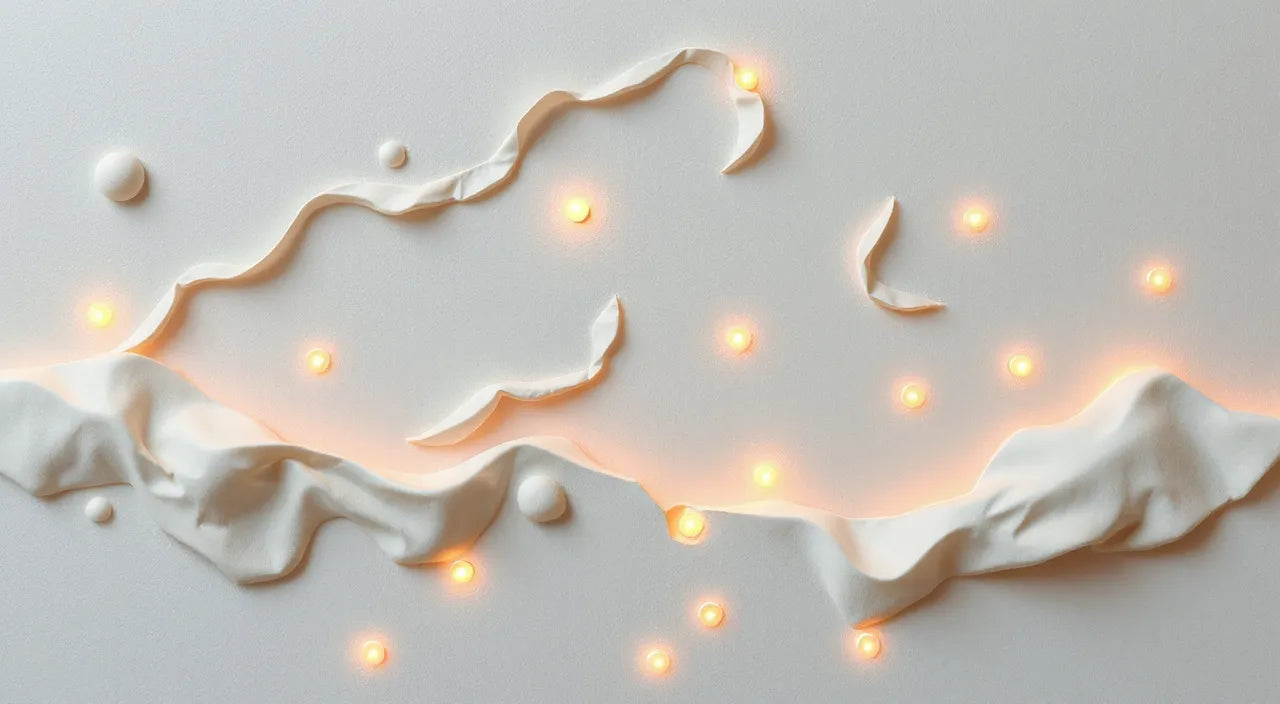
Corner styling map with heights, spacing, glowing accents
Materials and Care
Accessories remain beautiful longer when you select materials that match your environment. Care needs also influence your day-to-day experience, particularly in kitchens, entryways, and family rooms.
Ceramics: durable, but handle with attention
Ceramic decorative pieces are popular because they hold details well. They also work in both modern and classic interiors. For care, use a soft, dry cloth for dust. If cleaning is needed, use a mild solution and dry thoroughly. Avoid abrasive pads that can dull surfaces.
Wood and metal: protect finishes
Wood accents can add warmth and grounding. Metal details can add contrast and shine. Use gentle cleaning and keep items away from excessive moisture. If you live in a high-humidity area, consider wiping surfaces periodically to reduce residue buildup.
Textiles: keep a consistent cleaning rhythm
When quirky accessories include textile elements, such as covers or small fabric decor, follow the care label. Spot clean when possible and schedule deeper cleaning based on household activity. Clean textiles keep colors true and reduce odor retention.
Budget-Friendly, High-Impact Options
You do not need an expensive redesign to achieve a distinctive style. Many of the most effective changes come from one or two well-chosen accessories and a clear styling plan.
Choose one theme and repeat it subtly
Instead of buying unrelated pieces, select a theme and repeat it in small ways. For example, nature motifs can appear across a night light, a framed print, and a patterned throw. Repetition makes your style feel curated rather than accidental.
Start small with light-based accents
Light-based decor often creates instant atmosphere. A gentle glow can make a room feel warmer, even if the rest of the decor stays unchanged. If you want variety within a consistent style direction, you can compare animal motifs and choose the one that best fits your room mood.
For instance, you can use blue jay night light as a focal piece in a bedroom corner where you read at night. Or select a different motif such as tawny owl night light for a calmer, earth-toned palette.
Pair one quirky object with functional decor
Functional decor increases value. Consider pairing quirky accents with items you already use, such as trays for keys, decorative containers for small objects, or book stacks. The room feels styled because the design supports daily routines.
If you also enjoy seasonal home refresh ideas, you may explore related design perspectives from Fixari. Use these ideas as inspiration, then adapt them to your personal theme and existing space.
Summary & Takeaways
Quirky home accessories are a reliable way to add personality, texture, and warmth to your home. When you choose a clear theme, prioritize quality of form, and place items with sightline and spacing in mind, the result feels cohesive instead of chaotic. Lighting is a key amplifier, because it adds depth and soft atmosphere to decorative details. Use these takeaways to guide your next refresh: pick one focal area, build in layers, and repeat a theme consistently.
- Choose one theme for visual coherence.
- Use odd-number groupings and varied heights.
- Let lighting enhance textures and color depth.
- Select materials that match your lifestyle and care preferences.
- Start with a high-impact accent, then add supportive pieces.
Q&A Section
What makes a home accessory feel “quirky” rather than cluttered?
A quirky accessory feels intentional when it has a defined visual role, such as a focal point, a texture contrast, or a theme reinforcement. Clutter usually comes from placing too many unrelated items on a single surface without height variation or spacing. Choose fewer pieces with stronger silhouettes and pair them with calmer elements for balance.
How many quirky home accessories should I add to one room?
Begin with one focal area and add supporting elements gradually. A practical approach is one statement accessory plus two to three complementary pieces in the same theme family. If you add more, ensure you repeat materials and colors so the room reads as curated. This method keeps the design lively while maintaining clarity.
Do quirky accessories work in minimalist interiors?
Yes, they work well when the overall composition remains controlled. In minimalist spaces, one or two accessories with distinct shapes can add personality without disrupting clean lines. Use neutral companions, maintain consistent spacing, and select items with high-quality finishes so they appear as purposeful additions rather than interruptions.
How should I clean decorative ceramic accessories safely?
Use a soft, dry cloth for routine dust removal. If a deeper clean is necessary, use a mild cleaning solution and dry thoroughly after wiping. Avoid abrasive tools that can dull surfaces, and do not immerse decorative pieces unless the care guidance specifically allows it. Gentle, consistent cleaning helps maintain appearance over time.
Where should I place a small decorative night light in a room?
Place it where it complements your routine and supports the mood you want. Common options include a bedside table, a reading corner, or a quiet entry area. Ensure the placement does not block pathways or clutter surfaces. When the night light is visible from your primary seating position, it often delivers the strongest visual impact.
About the Author
Cassandras Shop is focused on home styling guidance and decor curation, with expertise in creating cohesive, character-rich interiors using practical design principles. The team supports shoppers in selecting accessories that match their space, lifestyle, and aesthetic preferences. With a focus on quality, balance, and everyday usability, the aim is to help homes feel welcoming and thoughtfully designed. Thank you for reading, and may your next refresh feel both confident and rewarding.
Disclaimer: This article provides general design guidance. Always follow the care instructions provided by the manufacturer for any decorative accessory, and ensure electrical products are used according to applicable safety guidance.
The content in this blog post is intended for general information purposes only. It should not be considered as professional, medical, or legal advice. For specific guidance related to your situation, please consult a qualified professional. The store does not assume responsibility for any decisions made based on this information.