Print Kitchen Towels: Style Ideas That Actually Work
Cassandras ShopUpdated on: 2026-06-22
Print kitchen towels can elevate day-to-day cleaning while adding a coordinated look to your cooking space. The right fabric and weave affect absorbency, drying time, and long-term durability. Thoughtful placement, stain-prevention habits, and a simple washing routine keep them looking fresh. This guide explains how to choose, care for, and use printed towels with confidence, including expert-driven tips and practical takeaways.
Table of Contents
Introduction
In every kitchen, towels play a quiet role. They wipe counters, dry hands, handle spills, and support everyday cooking tasks. Print kitchen towels add a practical layer of function, but they also offer design value. A coordinated towel set can make a kitchen feel more organized, more intentional, and more welcoming. The most important part is choosing the right material and care approach so the prints stay sharp and the fabric keeps performing.
When you select printed towels thoughtfully, you avoid common frustrations such as fading, rough texture, or slow drying. You also gain better consistency during meal prep. This matters because a towel that absorbs well reduces the spread of residue and helps you clean faster. In addition, printed designs can support seasonal refreshes without replacing your entire kitchen setup. For a broader home styling mindset, you may also find this helpful: Luxury Home Lighting: Styling Ideas That Feel Timeless.
Did You Know?
- Printed cotton blends often dry faster than heavier terry fabrics.
- Colorfast dyes perform best when you wash in cool to warm water and avoid harsh bleaches.
- A tight weave usually holds up better to repeated friction from wiping.
- Using one towel for tasks and another for dishes can reduce cross-contamination of food residue.
- Rotating towels by role can extend their lifespan and keep the most visible ones looking neat.
Expert Tips
- Select towels with a fabric purpose: quick-drying options for frequent use, and thicker options for heavy spill response.
- Choose prints with contrast if you want to minimize the visual impact of everyday stains.
- Pre-treat spots quickly. Fresh stains respond better than stains that dry and set.
- Keep towels dry between uses by hanging them with airflow. Less moisture reduces odor buildup.
- When washing, turn printed towels inside out to help protect surface detail.
Personal Anecdote
Several years ago, I used a single towel for everything: wiping counters, drying plates, and handling quick spills. It looked fine at first, but the towel became dull and the print started to fade. The problem was not the design alone. The fabric was being overused, and it remained damp too often. I changed my routine by keeping one towel specifically for drying tasks and another for wiping surfaces. I also started hanging towels immediately after use. Within a few weeks, the texture felt more consistent, and the print retained its definition much longer.
How to Choose Print Kitchen Towels
The term print kitchen towels covers many types of printed textiles. A strong choice depends on how you actually use towels during cooking and cleaning. Start by defining the main tasks you need to handle: drying hands, wiping counters, cleaning glassware, or addressing frequent splashes.
Prioritize absorbency and drying speed
Absorbency should match the pace of your kitchen. If you frequently wipe wet surfaces, choose towels that soak quickly and release moisture without staying damp. If you mainly need light wiping and hand drying, a lighter weave may feel more efficient and less bulky.
For printed towels, absorbency also affects how long dyes remain supported by the fibers. When towels dry fully and regularly, you reduce residue buildup that can dull colors over time.
Look for durable weave and stable color
A durable weave helps the towel withstand repeated friction from wiping. Stability also matters for printed designs. Look for towels that use colorfast dye systems and are designed for household laundering. In practice, this means you should avoid extreme heat and follow label-based washing guidance.
Match the print to your cleaning reality
Print selection is a functional decision. Busy patterns can hide minor water spots and light marks, while minimal graphics may show more wear over time. If you frequently cook with sauces or use citrus and oils, choose designs with moderate contrast so everyday splashes do not become visually dominant.
Decide on the right size and weight
A towel that is too small encourages overhandling, which increases wear at the edges. A towel that is too large can get tangled or feel inconvenient. For most kitchens, a medium size provides balance between coverage and control. Weight should align with the towel role: lighter towels for quick wipe-downs and heavier options for spill response.
To support a cohesive home theme, you may also enjoy a small curated approach to accessories. For example, these ceramic night lights can complement a warm, organized ambiance in adjacent spaces: blue heron night light.
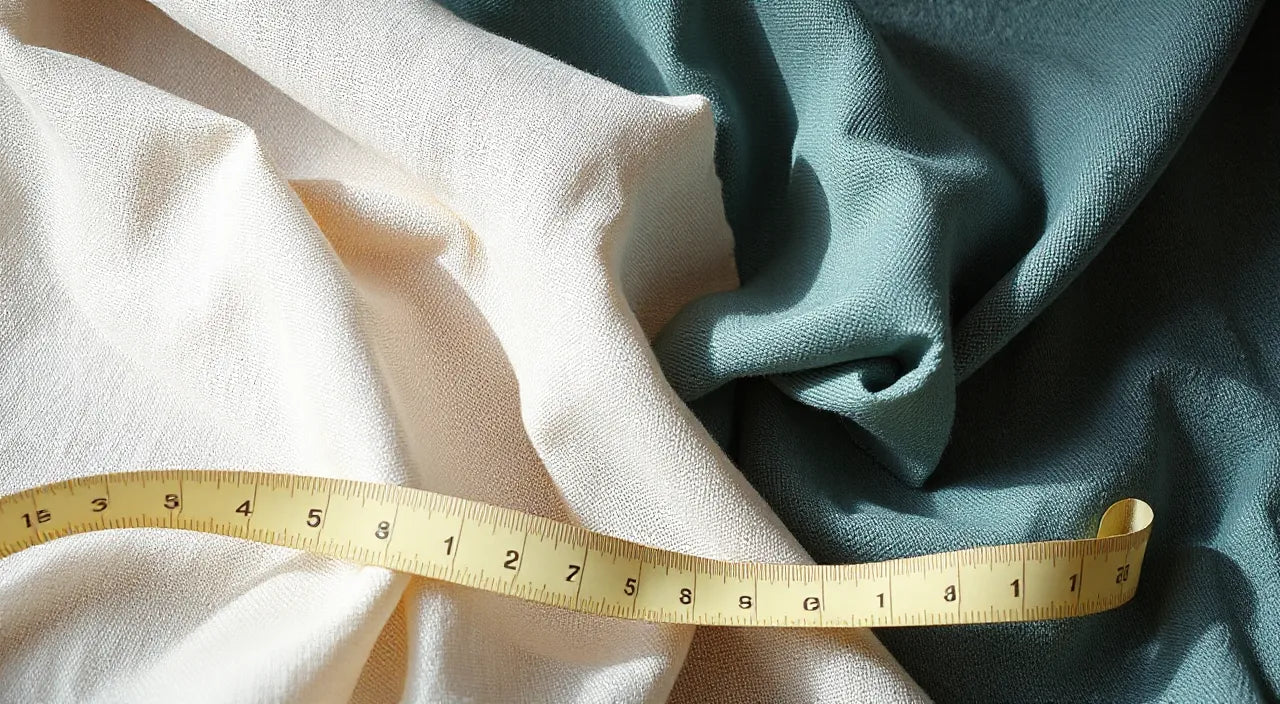
Fabric textures, dye swatches, and measuring tape visuals
Care Routine for Printed Towels
Print kitchen towels last longer with a predictable care routine. You do not need complicated steps. You only need consistency and attention to common damage factors: heat, harsh chemicals, prolonged dampness, and careless drying.
Washing: keep temperatures moderate
Use cool to warm water whenever the care label allows it. High heat can weaken fibers and accelerate print fading. If your towels collect grease, use a mild detergent and pre-treat targeted areas before the wash. For routine cleaning, avoid overloading the washer. When towels have space to move, they rinse more effectively and hold up better over repeated cycles.
Drying: prefer airflow and gentle settings
Air drying is a reliable option because it helps the towel fully dry between uses. If you use a dryer, choose a gentle heat setting. Frequent high heat can cause stiffness, especially in cotton blends. Remove towels promptly when drying ends, so they do not sit warm and damp.
Stain prevention habits that actually help
Stains often set when residue dries on fabric. Treating a spot early prevents deep penetration. Blot rather than rub. Rubbing spreads residue and can fray the surface weave. For oil-based marks, a quick pre-soak can improve results. If you use food-safe cleaning methods, ensure they align with the towel material so you do not strip dyes or damage fibers.
Rotation strategy for better longevity
One of the most effective practices is role-based rotation. Keep one towel for daily wiping and another for drying tasks. When you rotate weekly, you distribute wear more evenly. This method also keeps your most visible towel set looking fresh for guests and daily routines.
If you enjoy a coordinated home style, the same principle applies across categories. For instance, a theme-driven approach to décor can pair well with functional textiles. You might consider an animal-inspired accent lamp such as akita ceramic night light to create a gentle continuity between practical and decorative items.

Wash cycle icons, hanging airflow, and stain blotting
Styles and Placement in a Real Kitchen
Print kitchen towels contribute to the overall visual rhythm of your kitchen. The key is to place them where they support both function and appearance. The goal is not just decorative display. The goal is a system that supports your routine.
Use placement as part of the workflow
Place towels near high-usage zones: next to the sink for quick wipe-ups, near the prep area for counter clearing, and within reach of the stove for spill response. Accessibility reduces the chance that towels stay in drawers where they remain unused and potentially damp after incomplete drying.
Coordinate with your color palette
A printed design can echo tones already present in your kitchen such as dishware colors, cabinet neutrals, or countertop accents. If your kitchen is monochrome, a towel with defined contrast can add balance. If your kitchen already has bold patterns, choose a print with a calm background so the overall environment stays cohesive.
Keep a “guest-ready” set
Many households maintain one set for day-to-day use and a second set for guests or special occasions. This reduces the pressure to keep every towel spotless. Instead, you can refresh the displayed towel while other towels continue their regular cleaning cycle.
Avoid overexposure to fading factors
Sunlight can fade prints. If towels hang where they receive strong direct light, consider rotating them or using shaded placement. Also, avoid placing towels near heat sources where steam and repeated warmth can shift fabric texture.
Pair towels with thoughtful storage
Storage affects odor and freshness. Use open hooks or breathable organizers rather than fully sealed containers for daily towels. For longer storage, ensure towels are fully dry before folding. If you keep towels folded for display, use clean, dry drawers and do not stack damp items that can create musty smells.
To reinforce a consistent style across rooms, some customers like to select small decorative lighting accents that match their home aesthetic. You can explore examples like barn owl ceramic night light for warm, inviting ambiance in hallways or reading corners.
Summary & Takeaways
Print kitchen towels bring together utility and design. The best results come from choosing the right fabric weight, prioritizing absorbency and durability, and selecting prints that match your actual cleaning patterns. A consistent care routine helps protect color, preserve softness, and avoid stubborn stains. For long-term value, use role-based rotation, pre-treat promptly, and ensure towels fully dry between uses.
- Choose towels based on your main tasks, not only on appearance.
- Wash with moderate temperatures and avoid harsh bleaching practices.
- Dry with gentle heat or airflow and remove promptly.
- Rotate towels by role to distribute wear evenly.
- Use placement that supports workflow and reduces damp storage.
Q&A Section
How often should printed kitchen towels be washed?
Printed kitchen towels should be washed regularly based on use. Towels used for hand drying and general wiping can typically be laundered after repeated sessions or when visibly soiled. Towels used near the sink should be washed more frequently to prevent odor buildup and residue accumulation. If a towel handles spills or grease, pre-treatment and a timely wash are recommended.
Do print kitchen towels fade faster than plain towels?
Printed towels can fade faster if they are exposed to high heat, harsh detergents, or strong direct sunlight. However, careful laundering and moderate drying reduce the risk of fading. Choosing towels designed for household laundering and following care label instructions helps prints remain defined for longer.
What is the safest way to remove common stains from printed towels?
The safest approach is to blot the stain, pre-treat with a mild detergent compatible with the fabric, and wash at temperatures the care label allows. Avoid aggressive rubbing, and avoid bleach unless the label clearly permits it. For stubborn stains, allow pre-treatment time before laundering to improve removal without damaging the print.
About the Author
Cassandras Shop is a home-focused brand guided by practical styling principles and everyday functionality. Our team contributes expertise in kitchen organization, textile care, and design coordination that supports real routines. The aim is to help customers make confident choices that look polished and work reliably. Thank you for reading and applying these care and selection strategies.
Disclaimer: This article provides general guidance for textile selection and home care. Always follow the care instructions on the towel label. Results can vary based on fabric composition, print technology, and household washing conditions.
The content in this blog post is intended for general information purposes only. It should not be considered as professional, medical, or legal advice. For specific guidance related to your situation, please consult a qualified professional. The store does not assume responsibility for any decisions made based on this information.