Night Lights for Toddlers Sleep Easy and Feel Secure
Cassandras ShopUpdated on: February 21, 2026
Establishing a healthy sleep routine for young children requires thoughtful consideration of their bedroom environment. Gentle illumination solutions designed specifically for infants and small children can significantly reduce nighttime anxiety while promoting restful sleep patterns. This comprehensive guide explores the benefits, safety considerations, and practical selection criteria for choosing appropriate bedside lighting. Discover how the right ambient light fixture can transform your child's sleep experience and provide peace of mind for parents during nighttime hours.
Table of Contents
- Did You Know?
- Comparison: Pros and Cons
- Buyer's Checklist
- Final Thoughts and Advice
- Questions and Answers
- About the Author
Introduction to Night Lights for Young Children
Sleep quality represents one of the most critical components of early childhood development. Young children often experience fear of darkness, which can lead to prolonged bedtime resistance and disrupted sleep cycles. Night lights for toddlers offer a practical solution that combines comfort with safety, creating a reassuring environment without providing excessive illumination that might interfere with natural sleep rhythms. Understanding the specific needs of young sleepers and selecting appropriate lighting solutions can dramatically improve both child rest quality and parental well-being during nighttime hours.
Modern bedroom lighting options for young children have evolved significantly, moving beyond simple nightlights to sophisticated solutions that address specific developmental needs. Parents now have access to products featuring adjustable brightness, color-changing capabilities, and features specifically designed to support healthy sleep patterns. The right illumination fixture can serve multiple purposes: providing comfort during nighttime wakings, enabling safe navigation for parents during nighttime care, and creating visual cues that help establish consistent sleep schedules.
Did You Know?
- Research indicates that approximately seventy percent of young children experience some degree of darkness-related anxiety between ages one and four years
- Blue light exposure in the evening can suppress melatonin production, potentially delaying sleep onset by thirty to sixty minutes
- Warm amber and red light wavelengths have been scientifically proven to support natural melatonin production and promote deeper sleep cycles
- Children who sleep in darkened environments with optional gentle illumination demonstrate improved sleep consolidation and fewer nighttime awakenings
- The ideal brightness level for young children's bedrooms ranges between zero point five and five lux, significantly lower than standard room lighting
- Ceramic and other natural materials used in quality lighting fixtures provide superior heat distribution compared to plastic alternatives
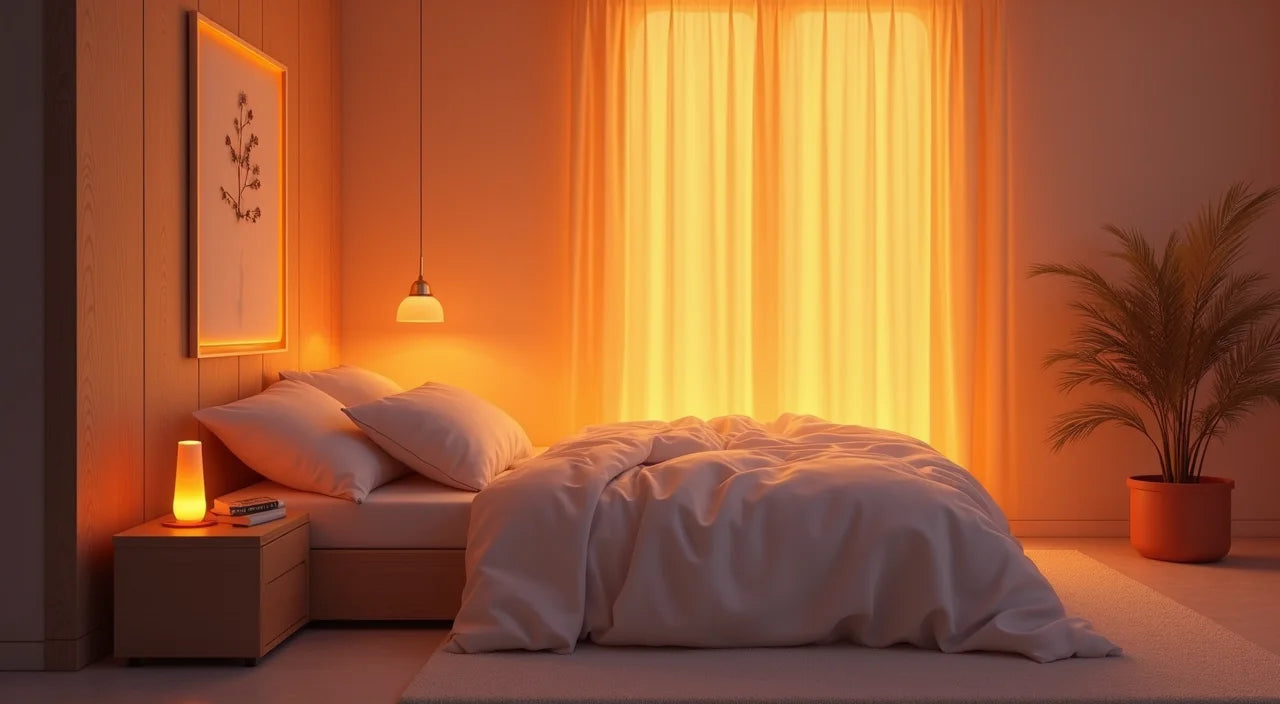
Warm amber glow creating a peaceful, calming bedroom atmosphere for restful sleep.
Comparison: Pros and Cons
Traditional Incandescent Night Lights
- Advantages: Warm natural glow, durable construction, affordable pricing, familiar design aesthetic
- Disadvantages: Generate significant heat, consume more electricity, shorter operational lifespan, potential burn hazard for curious children
Light-Emitting Diode Solutions
- Advantages: Energy-efficient operation, minimal heat generation, extended operational life span, available in multiple colors and brightness levels
- Disadvantages: Higher initial purchase cost, potential blue light concerns with certain color options, requires understanding of brightness settings
Projection-Style and Feature-Rich Options
- Advantages: Engage children's imagination, provide entertainment value, customizable features, often include timer functions for sleep training
- Disadvantages: Potentially overstimulating for some children, higher complexity and maintenance requirements, increased price point
Natural Material Fixtures
- Advantages: Aesthetic appeal, non-toxic materials, excellent safety profile, durable construction, complement various room designs
- Disadvantages: Typically higher cost than basic plastic alternatives, may require specific fixture types or bulbs
Buyer's Checklist for Selecting Appropriate Lighting
- Verify that the product meets or exceeds current safety certifications and standards for children's products
- Confirm the fixture produces warm-colored light rather than bright white or blue-tinted illumination
- Check that the brightness level remains adjustable or is specifically designed for low-intensity output
- Ensure the fixture has no sharp edges, exposed wires, or small detachable components that present choking hazards
- Verify that heat generation remains minimal and the exterior surface stays cool to the touch during operation
- Consider the aesthetic appeal and how the fixture complements your child's room design and decor
- Research whether the product includes timer functions or other features supporting healthy sleep habit development
- Confirm the fixture is appropriately sized for your intended placement location and electrical outlet configuration
- Review manufacturer recommendations regarding appropriate age ranges and usage guidelines
- Verify warranty coverage and the manufacturer's customer service responsiveness
Creating the Optimal Sleep Environment
Beyond selecting an appropriate lighting fixture, creating an ideal sleep environment requires comprehensive attention to multiple factors. Room temperature should remain between sixty-five and seventy degrees Fahrenheit, supporting the natural temperature decline that triggers sleep onset. Blackout capabilities in the form of appropriate window coverings allow parents to control ambient light during daytime naps and early morning hours when natural sunlight might interfere with sleep continuity.
Sound management represents another critical consideration in establishing restful sleep spaces. White noise machines or gentle background sounds can mask household noises that might otherwise disturb light sleepers. The combination of appropriate illumination, optimal temperature, minimal noise interference, and consistent bedtime routines creates a comprehensive sleep support system that extends beyond the simple presence of a lighting fixture.
Parents should consider the specific needs and preferences of their individual children when designing sleep environments. Some young children respond positively to gentle illumination options like those offered at Cassandras Shop, while others prefer complete darkness with the security of knowing a light can be activated if needed. Observation and gentle experimentation help identify the optimal configuration for your specific child's developmental stage and temperament.
Soft, gentle light casting subtle shadows in a serene bedroom environment.
Safety Considerations and Product Selection
Safety must remain the paramount concern when selecting any product intended for use in children's sleeping areas. All fixtures should be placed securely on stable surfaces, positioned where curious hands cannot easily access or pull them down. Ensure electrical cords are kept out of reach and cannot become entanglement hazards during sleep or play.
Quality construction materials significantly impact both safety and product longevity. Ceramic night lights offer superior durability compared to plastic alternatives while providing an aesthetically pleasing option compatible with various room designs. Natural materials typically demonstrate better heat distribution properties and reduced risk of off-gassing or chemical exposure.
Regular inspection of your chosen fixture ensures continued safe operation. Check periodically for any signs of damage, loose components, or deterioration. Replace bulbs according to manufacturer specifications, and avoid exceeding recommended wattage ratings. These simple maintenance practices extend product lifespan while maintaining optimal safety standards.
Supporting Sleep Training and Healthy Habits
Appropriate illumination can serve as an effective tool in establishing consistent sleep routines and supporting sleep training methodologies. Some families use dimmer-equipped fixtures to gradually reduce light intensity as children transition toward sleep, creating a natural signal that bedtime approaches. Other parents employ color-changing options to establish visual cues that help children understand when it is appropriate to remain in bed versus when they may request parental assistance.
The psychological comfort provided by appropriate bedside lighting cannot be overstated. Young children experiencing separation anxiety or darkness-related fears often sleep more soundly when they can see their familiar surroundings without being subjected to harsh or disruptive illumination. This balance between visibility and darkness creates an optimal psychological environment supporting both child relaxation and continued sleep maintenance.
Final Thoughts and Advice
Selecting appropriate lighting solutions for young children's sleep spaces represents an investment in their overall health, development, and family well-being. Quality fixtures designed specifically with children's developmental needs in mind offer superior safety profiles, longer operational lifespans, and better aesthetic integration compared to generic alternatives. Consider exploring options like specialty ceramic fixtures that combine functionality with design appeal.
Begin by honestly assessing your child's specific needs and preferences. Some children benefit greatly from gentle illumination, while others sleep better in complete darkness. Observe your child's responses during the first week following fixture installation, adjusting placement or brightness as needed. Remember that optimal sleep environments evolve as children develop; what works wonderfully at age two may require adjustment by age four.
Consult with your pediatrician if you have concerns about sleep patterns or nighttime anxiety. Professional guidance ensures that selected solutions complement any specific health considerations or developmental needs unique to your child. Investing in quality products from reputable manufacturers demonstrates commitment to both safety and long-term satisfaction with your purchase.
Questions and Answers
At what age can young children safely use night lights?
Young children can safely use appropriately designed lighting fixtures from infancy onward. For newborns, positioning fixtures outside direct line of sight supports healthy circadian rhythm development while providing illumination for nighttime parental care. As children progress through early toddler years, gentle bedside lighting becomes particularly valuable for managing darkness-related anxiety. Always verify age recommendations provided by manufacturers and prioritize fixtures specifically designed for children's use.
How can I prevent my child from becoming dependent on illumination for sleep?
Gradual reduction of light intensity over several weeks helps children transition toward sleeping in darker environments. Begin with dimmer fixtures at full brightness, slowly reducing intensity during nighttime routines. Simultaneously, establish strong sleep cues and consistent bedtime practices that do not rely solely on lighting. This systematic approach helps children develop confidence in their ability to sleep across varying light conditions while maintaining the psychological security they initially needed.
What distinguishes quality lighting fixtures from basic alternatives?
Superior fixtures feature heat-resistant materials, durable construction supporting extended use, appropriate brightness calibration for children's spaces, and adherence to stringent safety standards. Natural materials like ceramic provide better thermal properties and aesthetic appeal. Quality manufacturers conduct rigorous testing and provide clear safety documentation. Consider exploring artisan-crafted options that combine functionality with visual appeal, supporting your room design goals while maintaining safety priorities.
Should night lights remain on throughout the entire sleep period?
Individual preferences vary significantly among children and families. Some children sleep more soundly with continuous low-intensity illumination, while others benefit from having light available on demand through fixtures activated by touch or containing timer functions. Observe your specific child's responses during the first week of use, adjusting settings based on sleep quality and nighttime behavior patterns. Many families find that allowing children control over lighting through simple switches or touch-activation features supports developing independence and confidence.
Are there specific color wavelengths that better support healthy sleep?
Warm amber and red light wavelengths support natural melatonin production and sleep onset more effectively than cool white or blue-tinted illumination. Blue light wavelengths can suppress melatonin production and potentially delay sleep by disrupting circadian rhythms. Selecting fixtures that specifically produce warm-colored illumination supports your child's natural sleep physiology. Avoid blue-emitting options in sleeping areas, reserving them exclusively for daytime or play spaces if desired.
About the Author
This article was researched and written by the dedicated team at Cassandras Shop, specialists in creating thoughtfully designed home solutions for families with young children. Our team combines practical parenting experience with commitment to product quality, safety, and aesthetic appeal. We understand that parents seek reliable information and high-quality options that support their children's healthy development while enhancing family life. We are passionate about helping families discover solutions that bring comfort, confidence, and restful sleep to their homes. For additional product exploration, you may also appreciate discovering Fluttering FurrBalls for complementary children's product inspiration.
The content in this blog post is intended for general information purposes only. It should not be considered as professional, medical, or legal advice. For specific guidance related to your situation, please consult a qualified professional. The store does not assume responsibility for any decisions made based on this information.