Mastering Premium Ceramic Materials: A Practical Guide
Cassandras ShopUpdated on: March 10, 2026
Premium ceramic materials represent a sophisticated choice for home décor and functional art pieces. These high-quality ceramics offer exceptional durability, aesthetic appeal, and lasting value. Understanding their composition, benefits, and applications helps homeowners make informed purchasing decisions. Explore how premium ceramic craftsmanship elevates everyday items into treasured decorative elements.
Table of Contents
- Understanding Premium Ceramic Materials
- Key Benefits and Advantages
- Common Challenges and Solutions
- Ceramic Types Comparison
- Maintenance and Care Guidelines
- Summary and Recommendations
- Frequently Asked Questions
Understanding Premium Ceramic Materials
Premium ceramic materials represent the pinnacle of ceramic craftsmanship and quality. These materials consist of inorganic, non-metallic compounds created through careful selection and processing of clay minerals combined with specialized firing techniques. The distinction between standard and premium ceramics lies in material purity, manufacturing precision, and artistic execution. High-grade ceramics demonstrate superior strength, refined finishes, and enhanced longevity compared to conventional alternatives.
The production process for premium ceramic products involves multiple stages of refinement. Artisans source superior clay deposits and conduct rigorous quality control assessments. Each piece undergoes careful hand-shaping or precise mold casting, followed by meticulous surface finishing. The firing process occurs at elevated temperatures, creating a dense, non-porous final product. This comprehensive approach ensures consistency and excellence across every finished item.
Premium ceramics serve multiple purposes in contemporary homes. From decorative night lights to functional tableware, these materials combine visual elegance with practical durability. The versatility of ceramic manufacturing allows creators to produce intricate designs, vibrant glazes, and unique artistic expressions. Many artisans specialize in creating handcrafted pieces that reflect cultural traditions and modern design sensibilities simultaneously.
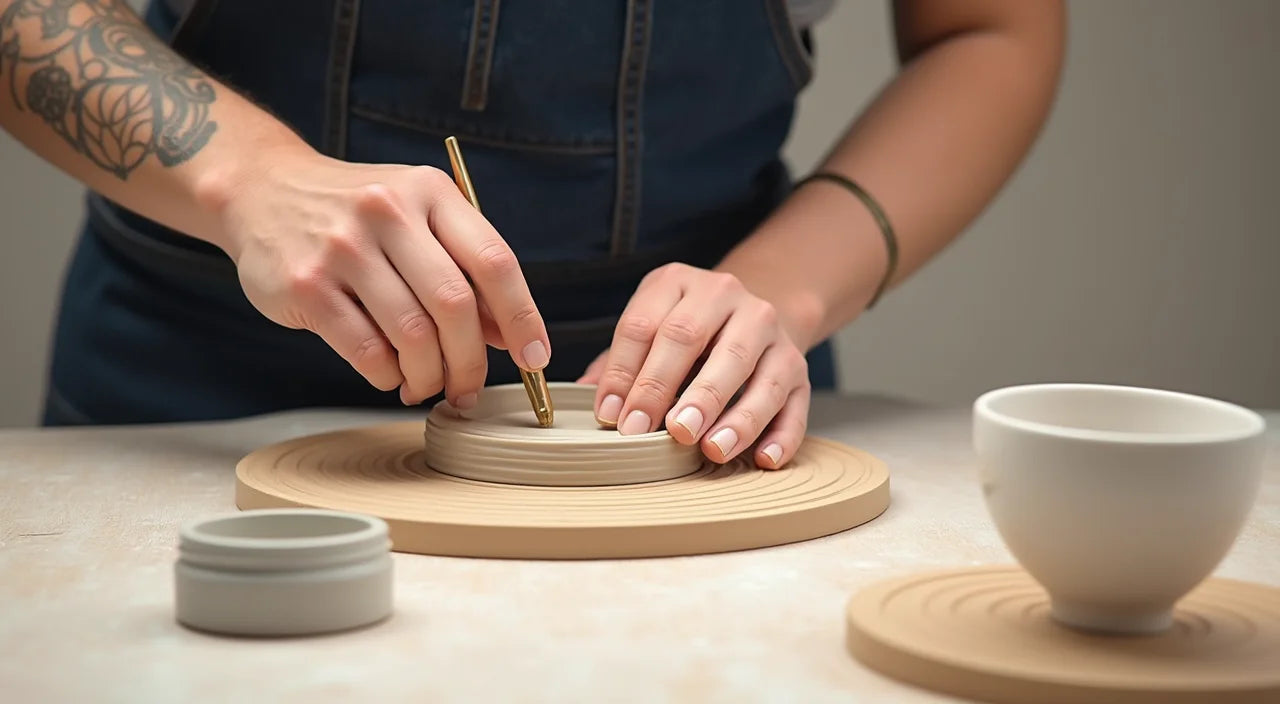
Artisan hands shaping clay with precision tools and refined glazing techniques.
Key Benefits and Advantages
Premium ceramic materials offer numerous compelling advantages for discerning consumers. Durability stands as a primary benefit, with high-quality ceramics resisting chips, cracks, and degradation far better than budget alternatives. These materials withstand temperature fluctuations without warping or losing structural integrity. The non-porous nature of well-fired ceramics prevents moisture absorption, making them ideal for both indoor and outdoor applications.
Aesthetic qualities represent another significant advantage. Premium ceramics showcase refined colors, intricate glazing patterns, and exceptional surface smoothness. The artistic possibilities are virtually limitless, enabling manufacturers to create pieces that complement any interior design style. Unlike synthetic alternatives, ceramics develop a timeless visual appeal that endures across decades without appearing dated or worn.
Environmental sustainability constitutes an increasingly important benefit. Ceramic materials derive from natural clay deposits and require no harsh chemical processing. The production process generates minimal environmental impact compared to plastic or synthetic alternatives. When properly maintained, premium ceramics last for generations, reducing the need for frequent replacement and associated waste accumulation.
Health and safety advantages merit consideration. Ceramics contain no toxic compounds or harmful chemicals that could leach into food or surrounding environments. This makes them particularly suitable for households with children and pets. The non-reactive nature of quality ceramics ensures safety even with prolonged use for food service or beverage consumption.
Monetary value appreciation presents an interesting consideration for collectors. Handcrafted premium ceramic pieces, particularly those created by renowned artisans, often appreciate in value over time. Unique designs and limited production runs create desirability among collectors and enthusiasts, transforming functional items into investment-quality art.
Common Challenges and Solutions
Despite numerous advantages, premium ceramics present certain challenges that buyers should understand. Breakage vulnerability remains the primary concern. While high-quality ceramics resist chipping better than inferior products, they still require careful handling. Strategic placement away from high-traffic areas and secure storage prevent accidental damage. Using protective displays and secure shelving systems minimizes breakage risks.
Cost considerations present another challenge. Premium ceramic materials command higher prices than mass-produced alternatives. However, the extended lifespan and superior quality justify the initial investment. Consumers should view this as a long-term value proposition rather than a short-term expense. Purchasing items with functional purposes alongside aesthetic appeal maximizes the return on investment.
Maintenance requirements sometimes exceed expectations. Certain glazes and finishes demand specific cleaning approaches to preserve their appearance. Hand washing typically proves preferable to dishwasher cleaning for delicate pieces. Specialty ceramic pieces may require occasional gentle restoration. Understanding proper care techniques prevents premature deterioration and maintains visual appeal.
Source authenticity creates potential confusion in the marketplace. Mass manufacturers sometimes attempt to replicate premium ceramic aesthetics at lower prices. Consumers should verify artisan credentials, manufacturing origin, and quality certifications before making significant purchases. Established retailers like Cassandras Shop provide transparency regarding product sourcing and manufacturing standards, ensuring genuine premium quality.
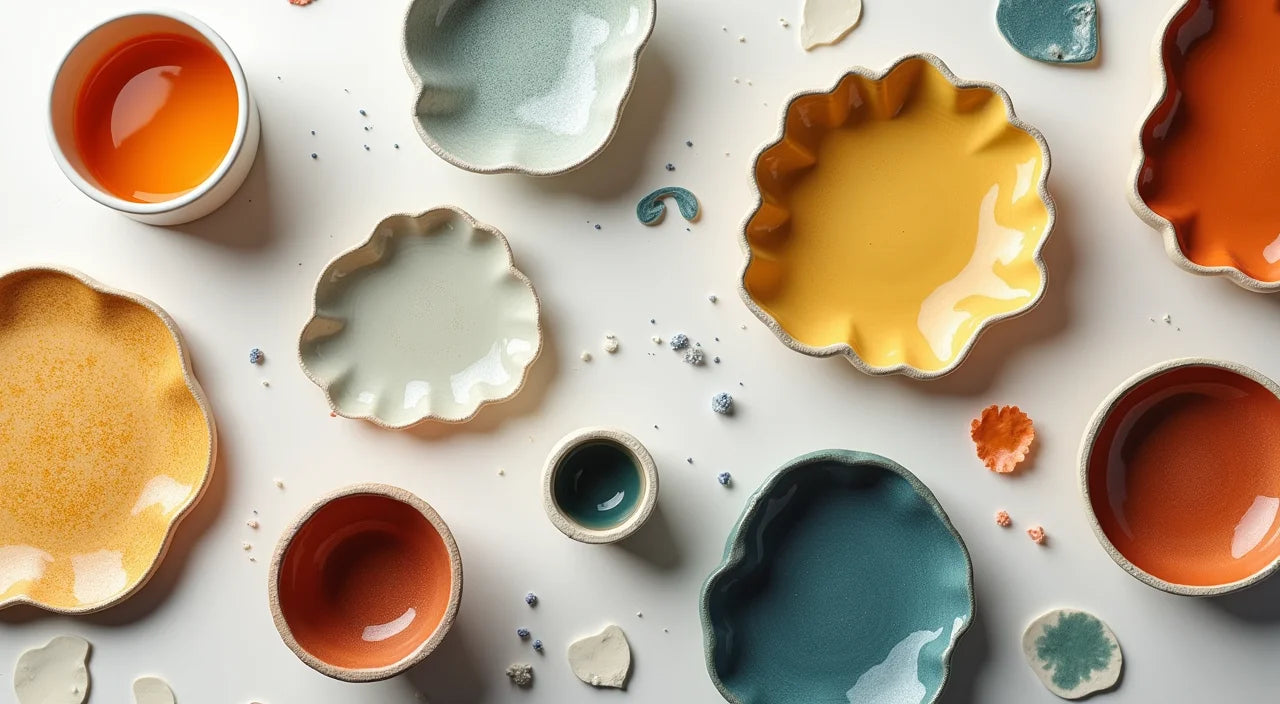
Diverse ceramic glazes and firing techniques creating varied textures and color depth.
Ceramic Types Comparison
Understanding different ceramic classifications helps consumers select appropriate products for specific applications. Porcelain represents the highest tier of ceramic materials, created from kaolin clay and fired at extremely high temperatures. Porcelain demonstrates superior hardness, complete non-porosity, and exceptional whiteness. This material suits formal dining applications and display purposes. Premium decorative ceramics frequently utilize porcelain compositions.
Stoneware offers a middle ground between affordability and quality. This material features a denser composition than earthenware but lower firing temperatures than porcelain. Stoneware demonstrates excellent durability and interesting surface characteristics. The slightly porous nature can enhance artistic effects and glaze interactions. This ceramic type suits functional dinnerware and decorative items equally well.
Earthenware represents the most porous ceramic category. Despite lower firing temperatures, quality earthenware maintains respectable durability when properly manufactured. The porous nature allows for interesting glaze effects and aesthetic variations. Earthenware works best for decorative purposes rather than food service applications.
| Ceramic Type | Durability | Porosity | Best Use |
|---|---|---|---|
| Porcelain | Excellent | Non-porous | Fine dining, display |
| Stoneware | Very good | Low porosity | Functional and decorative |
| Earthenware | Good | Porous | Decorative purposes |
Maintenance and Care Guidelines
Proper maintenance extends the lifespan and preserves the beauty of premium ceramic products. Hand washing with mild soap and warm water represents the safest cleaning method. Avoid abrasive scrubbers that could scratch glazed surfaces. Soft sponges and gentle circular motions effectively remove residue without causing damage. Decorative ceramic pieces benefit from regular dusting with soft, dry cloths.
Storage considerations prevent unnecessary damage and preserve appearance. Keep items in cool, dry locations away from direct sunlight, which can fade certain glazes over extended periods. Use protective padding between stacked pieces to prevent surface contact and potential scratching. Climate-controlled environments prevent thermal stress that could cause hairline fractures in susceptible pieces.
Restoration of minor damage maintains aesthetic appeal. Professional ceramic repair specialists can address small chips or cracks effectively. For valuable or sentimental pieces, professional restoration preserves integrity better than amateur repair attempts. Regular inspection identifies developing issues before they become significant problems.
Summary and Recommendations
Premium ceramic materials represent an excellent investment for households seeking durability, aesthetic refinement, and lasting value. The superior quality of these products justifies their higher cost through extended lifespan and superior performance. Whether selecting decorative night lights or functional dinnerware, premium ceramics enhance living spaces while requiring reasonable maintenance efforts.
We recommend purchasing from established retailers specializing in quality ceramics. Cassandras Shop offers curated collections of premium ceramic night lights and decorative pieces crafted with exceptional attention to detail. Evaluate your specific needs, preferred aesthetic styles, and budget considerations before making selections. Invest in pieces that will bring lasting enjoyment and appreciation.
Frequently Asked Questions
What distinguishes premium ceramics from standard ceramic products?
Premium ceramics utilize superior clay materials, undergo more rigorous quality control processes, and employ advanced firing techniques. The result is greater durability, refined finishes, and longer product lifespan. Artisanal production methods also enable more intricate designs and superior aesthetic quality compared to mass-produced alternatives. Handcrafted details and careful attention to glazing create visual distinction immediately apparent to discerning consumers.
Are premium ceramics safe for food service use?
Yes, high-quality ceramics are entirely safe for food and beverage service. The non-porous nature of properly fired ceramics prevents bacterial growth and chemical leaching. Lead-free glazes used in premium products ensure no toxic compound contamination. Ceramics have served safely for food service across countless cultures and centuries, making them among the safest material choices for dining applications.
How should I display decorative ceramic pieces in my home?
Display decorative ceramics on sturdy shelving away from high-traffic areas where accidental bumping might occur. Utilize plate stands or wall-mounted display systems to showcase pieces securely. Avoid direct sunlight exposure that could fade glazes over extended periods. Cluster pieces thoughtfully to create visually appealing vignettes that enhance room aesthetics. Ensure adequate spacing between items to prevent contact damage and allow each piece appropriate visual prominence.
Can premium ceramics be repaired if broken?
Minor chips and cracks can be professionally repaired by ceramic restoration specialists. However, severely broken pieces may not be worth repairing economically. Professional restoration preserves both structural integrity and aesthetic appeal for valuable or sentimental items. Prevention through careful handling and appropriate storage remains more effective than attempting repairs, regardless of professional skill level.
What makes ceramic night lights particularly appealing decorative items?
Ceramic night lights combine functional utility with artistic beauty. The soft illumination creates ambient lighting while ceramic construction provides durability and safety. Quality craftsmanship enables creation of intricate designs from animal figures to cultural symbols. These pieces function as both practical lighting solutions and decorative art, making them versatile additions to any room aesthetic.
How do I identify authentic premium ceramics versus imitations?
Examine the weight, finish quality, and surface smoothness carefully. Authentic premium ceramics feel substantial and demonstrate flawless glazing. Check for manufacturer marks or artist signatures indicating authenticity. Purchase from reputable retailers with established reputations for quality assurance. Research product origins and manufacturing standards before committing to significant purchases. Asking detailed questions about production methods reveals retailer knowledge and product legitimacy.
What is the typical lifespan of quality ceramic products?
Well-maintained premium ceramics can last indefinitely without degradation. Unlike materials that deteriorate over time, ceramics remain stable across decades or centuries with minimal change. Proper care prevents damage and preserves appearance, allowing these pieces to become family heirlooms passed through generations. This exceptional longevity makes premium ceramics truly worthwhile investments.
Are handcrafted ceramics more valuable than machine-made alternatives?
Handcrafted ceramics typically command higher prices and often appreciate in value over time. The artisan skill, individual character, and limited production runs create collectibility and desirability. Machine-made pieces offer consistency but lack the unique qualities appreciated by collectors. For investment purposes, handcrafted pieces by recognized artisans represent superior value propositions.
Can premium ceramics be used in outdoor settings?
High-quality, non-porous ceramics can function in outdoor environments, though protection from extreme weather extends lifespan. Covered patios and sheltered areas suit ceramic decorative pieces better than fully exposed locations. Temperature fluctuations and moisture exposure accelerate wear on exposed ceramics. For permanent outdoor installation, specialized outdoor ceramics and appropriate protective systems ensure optimal longevity and appearance preservation.
How do I choose the right ceramic pieces for my décor style?
Consider your existing color palette, furniture style, and overall aesthetic direction. Modern décor pairs well with geometric or minimalist ceramic designs. Traditional spaces benefit from classic forms and muted glaze colors. Contemporary homes accommodate bolder colors and artistic expressions. Select pieces that complement rather than compete with existing elements. Trust your visual instincts and choose items that spark genuine joy and satisfaction.
What should I look for when purchasing premium ceramic products?
Inspect surface quality for consistent glazing and absence of defects. Evaluate weight and feel to confirm construction quality. Verify material composition and manufacturing origin. Read detailed product descriptions and customer reviews. Purchase from established retailers with transparent sourcing practices. Consider functional needs alongside aesthetic preferences. Invest in pieces you will genuinely enjoy and use regularly rather than impulse purchases driven by trends.
Do premium ceramics require special display lighting?
Appropriate lighting enhances ceramic visual appeal significantly. Soft, diffused lighting flatters glazes and highlights surface textures beautifully. Avoid harsh overhead lighting that creates unflattering shadows. Accent lighting directed at ceramic pieces creates dramatic visual effects. Natural daylight works well for display, though prolonged direct sunlight should be avoided to prevent glaze fading. Experimenting with different lighting approaches reveals optimal presentation methods.
Are there ethical considerations when purchasing premium ceramics?
Support artisans and manufacturers committed to fair labor practices and sustainable production methods. Research company values and environmental policies before purchasing. Handcrafted pieces produced locally or by small artisan communities often provide better ethical assurance than mass-manufactured alternatives. Choosing quality products that endure longer reduces overall consumption and environmental impact, supporting sustainability principles.
How do seasonal changes affect ceramic storage and display?
Maintain consistent temperature and humidity levels throughout seasonal changes to prevent thermal stress. Store ceramics in climate-controlled environments rather than attics or basements subject to temperature fluctuations. Avoid rapid temperature transitions that could cause cracking. Use protective wrapping for seasonal storage transitions. Monitor humidity levels in storage areas to prevent moisture accumulation and potential mold growth on ceramic surfaces.
What creative ways exist for displaying ceramic collections?
Wall-mounted floating shelves create modern display arrangements while maximizing vertical space. Vintage cabinet displays preserve traditional charm while protecting pieces. Tiered plant stands offer creative alternatives for grouping smaller items. Window sills and glass cabinets highlight pieces through natural lighting. Create themed groupings around color palettes or cultural origins. Rotate display items seasonally to refresh room aesthetics and showcase different collection aspects.
Do premium ceramics require insurance coverage?
Valuable collection pieces, particularly handcrafted works by renowned artisans, warrant insurance consideration. Document items with photographs and purchase receipts for insurance purposes. High-value pieces may qualify for specialized fine art insurance coverage. Consult insurance professionals regarding collection protection options. Proper documentation protects investment value and facilitates replacement if damage occurs through insurable events.
How does ceramic craftsmanship compare across different global traditions?
Asian ceramics emphasize minimalism, natural forms, and subtle glazing techniques perfected across centuries. European traditions showcase ornate decorative elements and detailed figurative work. African ceramics celebrate bold colors, geometric patterns, and functional beauty. Native American pottery preserves ancient techniques and cultural symbolism. Understanding these traditions enriches appreciation for diverse ceramic aesthetics and manufacturing philosophies. Collecting pieces from varied traditions creates culturally representative collections.
What emerging trends influence premium ceramic design currently?
Sustainable and ethical production practices increasingly influence contemporary ceramic creation. Minimalist aesthetic movements favor clean lines and natural color palettes. Vintage and retro design revivals inspire contemporary artisans. Functional art pieces serving dual purposes gain popularity among practical consumers. Personalization and custom commissions allow individuals to obtain uniquely tailored pieces. Digital fabrication technology combines with traditional handwork to create innovative hybrid designs.
Are there beginner-friendly ceramic pieces for first-time collectors?
Decorative night lights represent excellent entry points for ceramic appreciation and collection. These functional yet beautiful pieces introduce collectors to quality craftsmanship at accessible price points. Small decorative items and plant holders offer affordable variety without overwhelming commitment. Building collections gradually allows developing knowledge and refining aesthetic preferences over time. Starting with pieces serving functional purposes provides daily enjoyment while building collector experience and confidence.
How do I transition from casual appreciation to serious ceramic collecting?
Educate yourself through museum visits, ceramic art books, and artisan interviews. Attend craft shows and gallery exhibitions to view pieces firsthand. Join collector communities and discussion groups to share knowledge and experiences. Develop a collecting focus, whether specific regions, time periods, or artistic styles. Budget systematically for acquisitions rather than making impulse purchases. Connect with established dealers and artisans who can provide guidance and authentication assurance for valuable pieces.
What role do premium ceramics play in contemporary interior design?
Quality ceramics serve as statement pieces and conversation starters within modern interiors. They bridge the gap between functional utility and artistic expression effectively. Ceramic accessories add warmth and human craftsmanship to minimalist spaces. Collections create personality and reflect individual taste within professional design schemes. Designers increasingly incorporate premium ceramics as sustainability-conscious alternatives to synthetic materials. These pieces anchor room aesthetics while aging gracefully and appreciating in value.
Do premium ceramics complement technology-filled modern homes?
Absolutely, high-quality ceramics provide visual and textural contrast to technology-heavy environments. They offer grounding, natural elements that balance digital aesthetics. Ceramic pieces create focal points that encourage attention and presence in spaces dominated by screens. The handcrafted quality of premium ceramics emphasizes human connection in increasingly digital contexts. Combining contemporary technology with artisanal ceramics creates sophisticated, balanced living environments appealing to modern sensibilities.
What investment potential do premium ceramics offer for collectors?
Authenticated artisan pieces by established creators appreciate consistently over decades. Limited edition collections become more valuable as availability decreases. Handcrafted ceramics outpace mass-produced items significantly in appreciation rates. Original works by recognized ceramic artists function as alternative investments comparable to fine art. Collecting with knowledge and strategic focus maximizes long-term investment returns. Proper documentation, authentication, and insurance protect ceramic investments effectively.
How can I learn ceramic artistry skills myself?
Ceramic classes and workshops teach fundamental techniques from clay hand-building to wheel throwing. Online tutorials provide accessible introductions to ceramic processes. Artist residencies offer intensive immersive experiences for serious learners. Studio access through maker spaces enables affordable practice opportunities. Mentorship with established artisans provides personalized guidance and skill development. Starting with simple hand-building techniques allows gradual progression toward complex wheel work and specialized glazing.
Are there health benefits associated with using quality ceramics daily?
Using non-toxic, lead-free ceramics eliminates chemical contamination concerns during food consumption. The non-porous nature prevents bacterial accumulation promoting food safety and health. Ceramic tableware encourages mindful eating and appreciation for meal presentation. Decorative ceramics create aesthetically pleasing environments supporting mental well-being. The durability and longevity of quality ceramics reduce consumption stress and waste-related environmental anxiety.
What should I know about ceramic glaze safety and composition?
Premium ceramics utilize food-safe glazes specifically tested for safety standards compliance. Lead-free formulations prevent toxic leaching into food and beverages. Cadmium-free glazes eliminate additional contamination risks. Reputable manufacturers provide documentation confirming glaze safety testing and compliance. Avoid ceramics from questionable sources lacking safety certifications. Requesting safety documentation before purchase ensures complete confidence in product safety profiles.
How do I care for ceramic pieces with intricate detailing?
Use soft brushes to gently remove dust from detailed areas. Avoid aggressive pressure that could damage delicate elements. Hand washing in warm soapy water works best for intricate pieces. Dry thoroughly with soft cloths to prevent water spots. Store carefully with protective padding between pieces. Minimize handling of extremely delicate items to prevent accidental damage. Professional restoration addresses damage to valuable intricately detailed pieces.
What cultural significance do ceramics hold across different societies?
Ceramics represent ancient traditions spanning human civilization across all continents. Many cultures developed sophisticated ceramic techniques reflecting spiritual and artistic values. Ceremonial and functional ceramics documented daily life and cultural practices. Contemporary artisans preserve traditional knowledge while innovating modern expressions. Collecting internationally diverse ceramics creates appreciation for human creativity and cultural heritage. Understanding ceramic traditions enriches personal connection with collected pieces.
How can premium ceramics enhance gift-giving occasions?
High-quality ceramic pieces make meaningful, lasting gifts appreciated for decades. Personalized or custom pieces create unique expressions of thoughtfulness. Functional ceramics serve practical purposes while bringing beauty to recipient homes. Limited edition or artist-signed pieces demonstrate investment and special consideration. Ceramic collections can be built gradually with complementary gifts over time. Thoughtfully selected pieces become cherished keepsakes with sentimental significance beyond monetary value.
What role do premium ceramics play in contemporary art markets?
Ceramic artists gain increasing recognition within fine art circles and gallery systems. Museum exhibitions celebrate ceramic craftsmanship as serious artistic expression. Auction houses feature quality ceramics alongside traditional art media. Collector interest in contemporary ceramics drives appreciation and market growth. International ceramic biennales and exhibitions showcase innovative artisan work globally. Investment-grade ceramics compete effectively with conventional art investments, offering excellent returns potential.
How do I verify authenticity when purchasing artisan ceramics online?
Request detailed product photography from multiple angles revealing construction quality. Verify seller credentials and read customer reviews thoroughly. Ask specific questions about artist background and manufacturing methods. Request certificates of authenticity or documentation for valuable pieces. Use secure payment methods protecting against fraud. Purchase from established retailers specializing in premium ceramics like Cassandras Shop. Request return policies allowing inspection before finalizing purchases.
What considerations apply when gifting ceramic pieces to individuals with limited display space?
Select smaller pieces or functional items serving dual purposes. Provide detailed care and display suggestions helping recipients appreciate gifts effectively. Consider functional ceramics like mugs or bowls offering daily use. Wall-mounted items maximize limited display possibilities. Gift presentation emphasizing artistic quality encourages thoughtful placement and appreciation. Include information about artist or ceramic tradition providing educational context and conversation value.
How do premium ceramics contribute to sustainable living practices?
Ceramics produced from natural materials without harmful processing reduce environmental impact significantly. The exceptional longevity of quality pieces minimizes replacement frequency and associated waste. Non-toxic, food-safe ceramics eliminate chemical concerns in household environments. Supporting artisan production often aligns with fair labor and community development practices. Choosing durable ceramics over disposable alternatives demonstrates commitment to sustainability and environmental responsibility.
What aesthetic principles guide selecting complementary ceramic pieces for collections?
Consider color harmony, balancing complementary or analogous palettes. Evaluate form relationships, mixing organic curves with geometric angles. Assess scale variation, combining large statement pieces with smaller accent items. Review surface texture diversity, combining glossy and matte finishes. Ensure stylistic cohesion while allowing artistic expression and individual taste. Trust intuitive attraction to pieces while maintaining intentional collection direction. Balance visual interest with coherent overall aesthetic unity.
How does ceramic production impact local artisan communities and economies?
Supporting ceramic artisans strengthens local economies and preserves cultural traditions effectively. Small-scale production often employs community members and provides sustainable livelihoods. Purchasing from artisan cooperatives directly benefits producers and their families. Traditional technique preservation maintains cultural heritage and knowledge transmission. Economic stability from ceramic sales enables continued artistic innovation and cultural expression. Fair trade practices ensure equitable compensation supporting artisan well-being and community development.
What considerations apply to storing ceramic collections in challenging climates?
Temperature-controlled storage prevents thermal stress and potential cracking from fluctuations. Humidity control prevents moisture absorption affecting certain ceramic types. Climate-controlled mini storage units offer affordable solutions for large collections. Protective packaging with acid-free materials preserves surfaces during storage. Regular climate monitoring identifies potential issues before damage occurs. Rotation between display and storage prevents prolonged exposure stress while maximizing collection enjoyment.
How can premium ceramics serve as meaningful conversation pieces in social spaces?
Display pieces highlight artistic creation and cultural traditions naturally. Guest inquiries about pieces enable sharing knowledge and stories. Ceramic collections reflect personal taste and values to visitors. Functional ceramics during gatherings showcase practical beauty and conversation naturally. Art pieces become focal points encouraging discussion and connection. Thoughtfully displayed collections express host personality and create welcoming environments naturally.
What emerging technologies influence contemporary ceramic artistry?
3D printing enables complex forms previously impossible through traditional techniques. Digital design tools assist pattern creation and glaze application planning. Kilns with precise temperature controls improve firing consistency and results. Hybrid approaches combine traditional handwork with technological precision. Digital documentation and social media enable global artisan collaboration. Technology enhances rather than replaces traditional craftsmanship in quality ceramic production.
How do I calculate reasonable prices when evaluating premium ceramic purchases?
Consider artist experience and reputation in compensation assessment. Evaluate material quality and size relative to pricing. Research comparable pieces within market context. Factor in handcrafted labor investment and unique design elements. Assess durability and longevity benefits against initial cost. Balance investment value with personal enjoyment and satisfaction. Remember that premium pricing reflects superior quality and lasting value justifying expenditure.
What should collectors understand about ceramic restoration ethics?
Restoration should preserve original integrity and historical significance. Invasive repairs may diminish value for historically important pieces. Documentation of restoration work maintains transparency and authenticity. Professional restorers maintain ethical standards and use appropriate materials. Original damage sometimes becomes part of piece history and
The content in this blog post is intended for general information purposes only. It should not be considered as professional, medical, or legal advice. For specific guidance related to your situation, please consult a qualified professional. The store does not assume responsibility for any decisions made based on this information.