

Lightweight Decorative Throws: Styling Tips That Work
Cassandras ShopUpdated on: 2026-10-24
Lightweight decorative throws can instantly elevate a room without adding visual clutter. They work as seasonal layers, comfort accents, and easy-to-refresh styling tools. The right fabric and size improve drape, texture, and day-to-day usability. This guide explains practical selection criteria and care habits so you can choose confidently and maintain a clean, polished look.
Lightweight Decorative Throws: A Simple Way to Upgrade Everyday Comfort
Lightweight decorative throws blend comfort and visual design in one practical accessory. They are an effective way to refresh seating areas, soften hard surfaces, and create intentional layers on beds and sofas. If you want an update that feels effortless, lightweight decorative throws are a strong starting point because they are easy to store, simple to style, and comfortable year-round. The key is choosing the right weight, size, fabric, and color so the throw complements your space rather than competing with it.
In the sections that follow, you will learn how to evaluate fabric performance, select measurements that fit common furniture layouts, and style a throw with repeatable methods. You will also find a care checklist to help you keep your textiles looking fresh through regular use.
Pros & Cons of Lightweight Decorative Throws
Lightweight decorative throws offer clear advantages, especially for homes that need adaptable styling. However, they also require thoughtful selection to avoid common disappointments.
- Pros
- Easy to layer for changing seasons and indoor comfort preferences.
- Lower bulk than heavier blankets, so they fit neatly on sofas and accent chairs.
- Often designed with textured or patterned surfaces that add depth to neutral rooms.
- Simple to refresh: you can rotate colors and designs without major redecorating.
- Generally easier to store than thicker bedding or full-weight blankets.
- Cons
- May not provide sufficient warmth for colder climates without additional layers.
- Lower fabric density can show wear faster if used as the primary bedding layer.
- Some materials are more prone to pilling or shedding, depending on weave and finish.
- Care requirements vary; incorrect washing settings can affect softness or color.
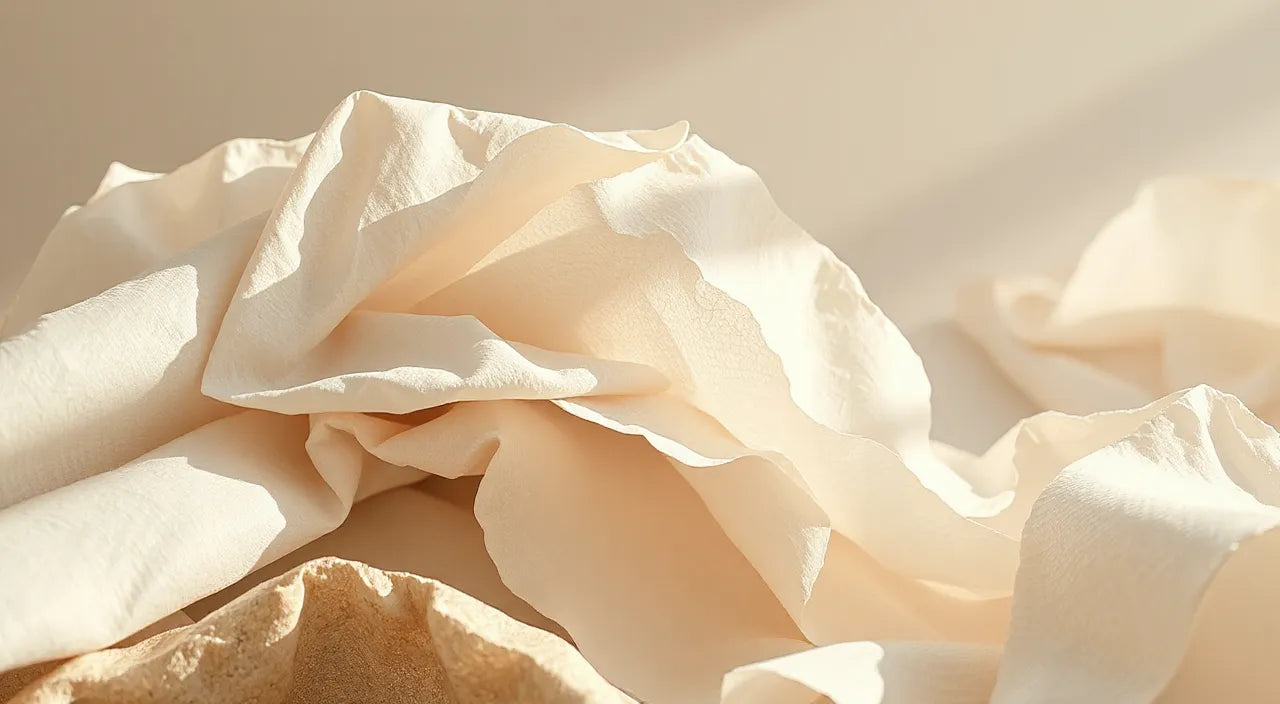
Layered textures with soft lighting and neutral tones
Step-by-Step Practical Guide
Use a structured approach to choose throws that look cohesive and feel comfortable. This method focuses on fit, material behavior, and styling consistency.
Choose the Right Size
The most common selection mistake is choosing a throw that is either too small to drape or too large to look intentional. Start with the layout you plan to style.
- Sofa styling: A throw should cover the top third to half of the backrest area. This creates visual structure without bunching.
- Accent chairs: Use a throw that can reach the seat area with a gentle overhang. This produces a “styled but relaxed” silhouette.
- Bed layering: Choose a size that spans the width of the bed comfortably. For a clean look, allow the throw to fall evenly on both sides.
- Practical comfort: If you plan to sit underneath it, ensure there is enough length for your preferred posture. Consider extra coverage for cooler evenings.
When in doubt, prioritize a throw that drapes rather than one that sits flat. Drape is what makes a decorative textile feel upscale and purposeful.
Select a Suitable Fabric
Fabric determines softness, breathability, texture, and care needs. Lightweight decorative throws are available in multiple material categories, each with different performance traits.
- Woven textiles: Look for tight weaves that keep their shape and resist stretching. Woven options often add structure to styling.
- Knits: Knitted throws typically feel flexible and cozy. They can look relaxed on sofas, but they may require careful handling during washing.
- Microfiber and performance blends: These fabrics often resist wrinkles and dry relatively quickly. They can be practical for high-traffic rooms.
- Natural fibers: Natural options can offer strong breathability and a refined texture. Care routines may be slightly more specific.
For an easy decision, match fabric to lifestyle. If the throw will be used frequently, choose a material known for durability and simple maintenance. If it is primarily decorative, prioritize texture, drape, and color accuracy.
Style It Intentionally
Styling is where lightweight decorative throws deliver their strongest design impact. The goal is to create a layered look that appears effortless but is actually controlled.
- Use a consistent placement pattern: Fold the throw once for a clean edge, then lay it so the fold line aligns with the furniture seam or cushion boundary.
- Create a visible texture zone: Place the throw where light naturally hits it. Textured surfaces read better when they catch subtle highlights.
- Balance color temperature: Pair warm-toned throws with warm neutrals and cool-toned throws with cool neutrals to keep the palette coherent.
- Coordinate with existing materials: Match the throw to at least one element in the room, such as upholstery tone, pillow fabric, or wall color.
- Limit competing patterns: If you have multiple prints elsewhere, choose a more subtle weave or solid color throw to maintain visual calm.
One practical way to refine your aesthetic is to choose a base palette first. Then add a single accent textile. This keeps the space organized while still delivering warmth.
If you enjoy decorative night lighting, you may also appreciate how small accents can refine the overall atmosphere. For example, consider pairing a cozy textile styling approach with a sculptural bedside element such as blue heron night lighting to reinforce a calm, curated bedroom mood.
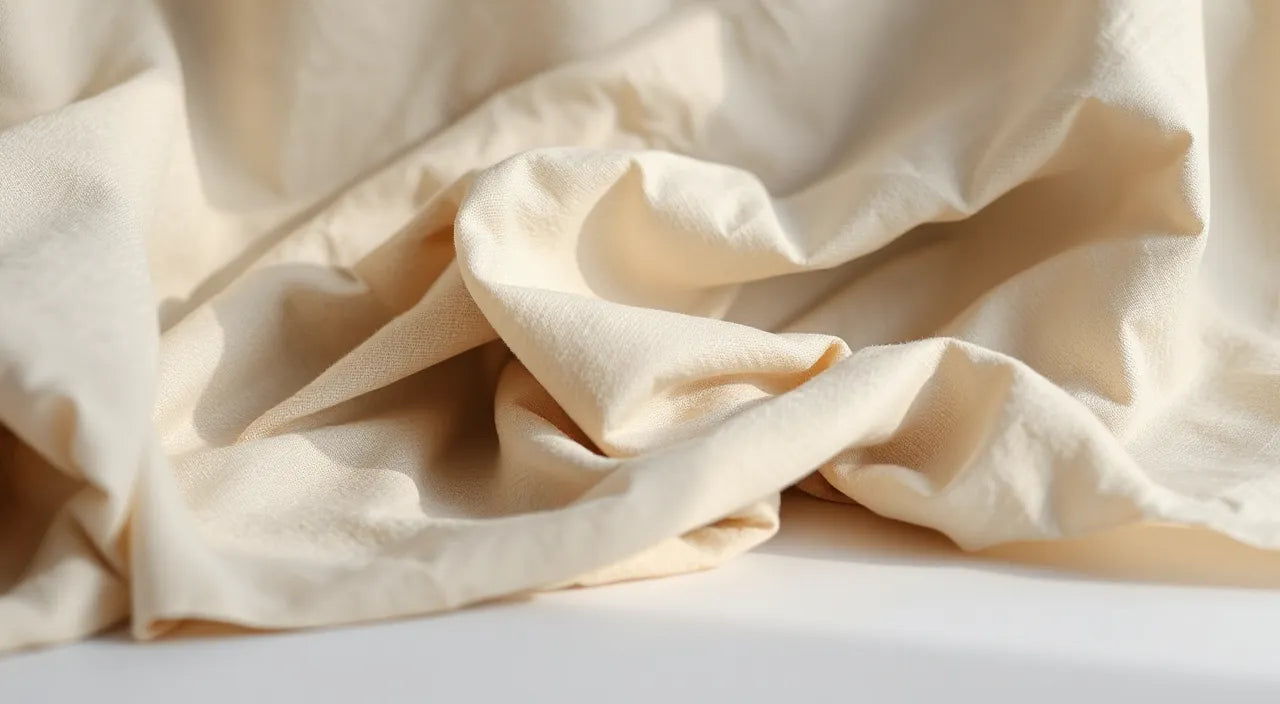
Folded textile styling with balanced neutral accents
Maintain Color and Softness
Proper care protects the appearance that makes lightweight decorative throws valuable. Textiles can lose softness and vibrancy when washed incorrectly or dried at excessive heat.
- Read the care label first: Fiber content and weave type determine whether the throw is best washed cold, gently, or as a hand-wash item.
- Use a gentle detergent: Harsh cleaning agents can reduce softness and affect surface texture over time.
- Wash separately when necessary: New throws can release excess dye. Washing alone for the first cycle reduces the risk of color transfer.
- Avoid high heat drying: Heat can shrink certain fabrics and flatten the texture that gives the throw its character. Air drying or low tumble heat is often the safest route.
- Reduce pilling: If your throw shows pilling, use gentle fabric care practices. Brushing or careful de-pilling tools may help, but proceed based on the fabric type.
- Refresh between washes: Light airing and spot cleaning can extend the time between full washes for everyday maintenance.
For best results, store the throw clean and fully dry. Use breathable storage to prevent musty odors and preserve texture. These habits help your decorative textile look consistent, even with frequent use.
Wrap-Up
Lightweight decorative throws are a practical interior upgrade that improves comfort and strengthens visual cohesion. Choose a size that drapes naturally on your furniture, select a fabric that matches your lifestyle, and style with a controlled placement method. Finally, protect color and softness with proper washing and drying practices.
If you want a quick action plan, start with one room. Select a throw that aligns with your existing palette, then test placement patterns on your sofa or chair before purchasing. A deliberate approach reduces regret and increases the likelihood that the throw becomes a repeat-use favorite.
For a coordinated home atmosphere that blends comfort and ambiance, pair your textile styling with a small decorative accent. If you are building a soothing bedroom environment, explore options like tawny owl night lighting to support a calm, thoughtfully styled space.
Q&A Section
Are lightweight decorative throws suitable for year-round use?
Yes. Lightweight decorative throws are typically designed for layering, which makes them usable across seasons. In warmer months, they can be used as an airier cover for couch lounging. In cooler periods, they can serve as an additional layer under a heavier blanket.
What fabric features should I look for when shopping?
Prioritize softness, drape, and ease of maintenance. Consider weave density for structure, and fiber type for breathability. If the throw will be used frequently, choose materials that resist pilling and maintain their surface texture with regular care.
How can I prevent a throw from looking untidy?
Use a repeatable folding and placement method. Fold the throw once to define clean edges, then align the fold with a cushion seam. Ensure the overhang is even on both sides. For patterned throws, keep the placement slightly centered to avoid an accidental asymmetry that can look cluttered.
How often should I wash a decorative throw?
Wash frequency depends on usage and the fabric care instructions. Many throws can be refreshed periodically through airing or gentle spot cleaning, with full washing when visible soiling or odors occur. Always follow the recommended care label to protect texture and color.
About the Author
Cassandras Shop is guided by a home styling and product selection focus that emphasizes comfort, durability, and cohesive design. The author has experience curating decor choices for everyday spaces and offers practical guidance based on textile care fundamentals and room-layout principles. The goal is to help you build a home that feels inviting and consistently polished. Thank you for reading and applying these recommendations.
The content in this blog post is intended for general information purposes only. It should not be considered as professional, medical, or legal advice. For specific guidance related to your situation, please consult a qualified professional. The store does not assume responsibility for any decisions made based on this information.


