Kitchen Essentials Checklist for Everyday Cooking
Cassandras ShopUpdated on: 2026-06-27
Kitchen essentials are the building blocks of an efficient, comfortable cooking space. When you select the right tools, you reduce prep time, improve results, and simplify cleanup. A practical setup also helps you cook more consistently, from quick breakfasts to weekend meals. This guide covers must-have categories, smart selection criteria, and a realistic routine you can maintain long term.
Introduction | Product Spotlight | Step-by-Step How-To | Personal Experience | Kitchen Setup Strategies | Maintenance and Organization | Summary & Recommendations | Q&A Section | About the Author
Kitchen essentials that make cooking easier
Kitchen essentials are not about owning more items. They are about owning the right items that support your routine. A well-chosen kitchen reduces friction: you spend less time searching, less time repairing mistakes, and less time handling messy surfaces. More importantly, the right tools support better technique, which leads to tastier meals with less stress.
Many kitchens feel cluttered even when they have “enough” gear. That is usually a sign that the setup is incomplete in key areas. For example, you might have cookware but no reliable measuring tools. Or you might have gadgets, but no system for storage and cleaning. This article focuses on fundamentals that cover common cooking tasks and help you build a dependable baseline.
If you are planning a kitchen refresh, use this guide as a checklist. You will also find selection tips for durability, safety, and day-to-day convenience. The goal is a kitchen that performs well without requiring constant attention.
Product Spotlight: a chef-grade knife system for everyday prep
A quality chef’s knife is often the most impactful kitchen essentials decision you can make. It improves control for slicing, dicing, and chopping, and it typically replaces multiple knives that overlap in function. The best approach is not to chase a large collection. Instead, choose one dependable primary knife and pair it with a small set of support tools, such as a proper board and a safe storage method.
When evaluating a knife for daily use, prioritize a comfortable handle, stable balance, and edge retention. Also consider whether it fits your cutting board habits. Many home cooks lose performance by using the wrong board surface, such as very soft or overly abrasive materials.
For an accessible way to start thinking about kitchen-first priorities, you can view a selection of thoughtful home accessories at My Pet Serenity. While it is not a knife shop, it can still inspire the same mindset: select functional pieces that match your lifestyle.
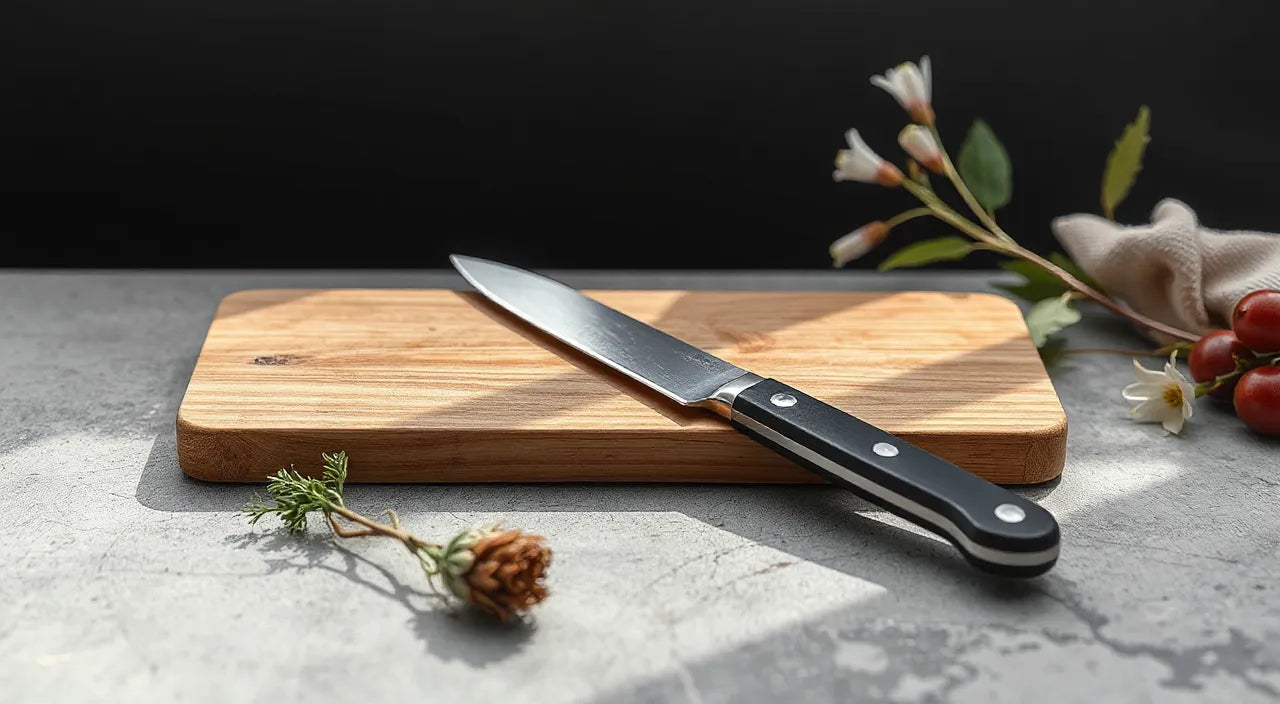
Visualize tool control: knife, board, and measuring icons
Step-by-Step How-To: build a practical kitchen essentials checklist
Use this sequence to create a foundation that supports most meals. The steps are designed to be realistic, not theoretical. Adjust quantities based on household size and cooking frequency.
-
Audit your current workflow. Identify your most common tasks: slicing vegetables, searing proteins, portioning snacks, or reheating leftovers. Note where you pause, improvise, or clean repeatedly.
-
Select core cutting tools. Choose a primary knife, a cutting board that protects edges, and a safe storage option. If you already own a knife, evaluate its sharpness and stability before buying duplicates.
-
Choose a basic cookware set. Focus on one frying pan, one saucepan, and one pot that covers your typical portion sizes. Look for even heating and surfaces that support frequent use.
-
Add reliable measuring and mixing. Include measuring cups, measuring spoons, and at least one mixing bowl set. Consistency matters for sauces, baking, and seasoning.
-
Pick essential prep and serving tools. Ensure you have a spatula for flipping, tongs for turning, a ladle for soups, and a set of heat-safe utensils. This reduces “jury-rig” moments during cooking.
-
Create a cleaning and organization system. Include a durable dish brush, dish soap, microfiber towels, and a dedicated spot for liners, wraps, and storage containers.
-
Standardize your storage approach. Use consistent containers for dry goods, leftovers, and meal components. Labeling is optional, but clear labeling saves time.
-
Test the system for one week. Cook your usual meals and observe what you reach for. Then refine the list based on actual usage rather than assumptions.
This method keeps your kitchen essentials list tight and usable. Over time, you can expand into specialty tools, but you should begin with the items that support core tasks.
Personal Experience: the day my routine finally clicked
I once reorganized my kitchen in a way that looked good on paper but did not improve my cooking. I bought extra gadgets, moved everything into new drawers, and labeled a few containers. The problem was that I still had to search for measuring tools and I kept using a cutting board that damaged my knife edge quickly. My meals took longer, and I felt frustrated by avoidable steps.
After that, I changed my approach. I focused on kitchen essentials that directly supported my workflow: a reliable cutting setup, a small set of core utensils, and a clear storage system for the items I use most. The difference was immediate. I started cooking with fewer interruptions, and cleanup became predictable. This experience reinforced a key principle: the right items reduce effort, while the wrong items increase maintenance.
Kitchen setup strategies for efficient cooking
After you choose kitchen essentials, the next improvement comes from placement and accessibility. A kitchen that is easy to use encourages better habits. It also helps you maintain order without constant effort.
Zone your kitchen by function
Organize space into zones so tools are where you need them. A functional approach usually includes a prep zone near the cutting area, a cooking zone near the stove, and a cleaning zone near the sink. Keep frequently used items in reach. Store seasonal or less-used items higher or farther back.
Standardize frequently used items
When you use the same measuring cups, utensils, and containers repeatedly, your cooking becomes more consistent. It also reduces the “which one is this” problem. For dry goods, use sealed storage for flour, sugar, and staples. For leftovers, use consistent container sizes so you can stack them efficiently.
Match tools to heat and material
Kitchen essentials should align with the cookware and surfaces you own. Heat-safe utensils protect nonstick coatings and prevent warping. Also, consider whether your cookware requires certain utensils to avoid scratching.
Use a simple system for lids and wraps
Lids often become the main source of clutter. A practical solution is to store lids vertically and keep them attached to matching container sets where possible. For wraps and liners, use a dedicated holder or organizer to prevent tangles.
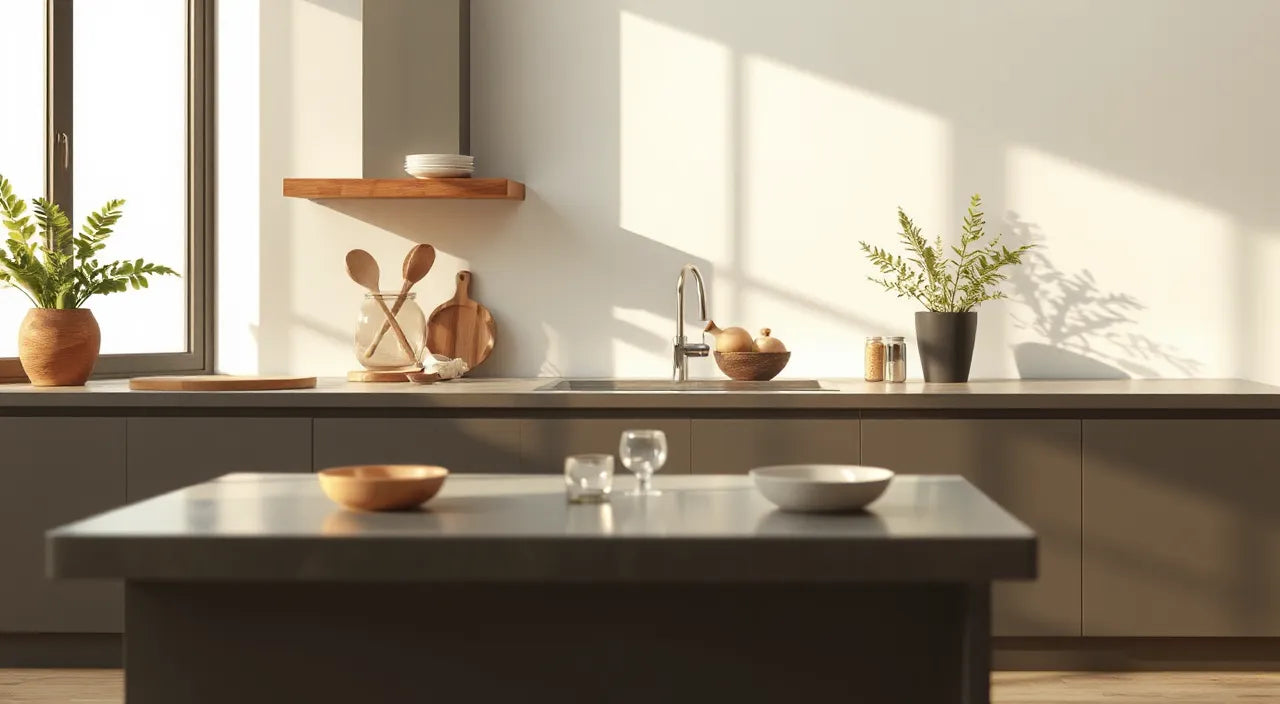
Depict kitchen zones: prep, cook, clean icons and labels
Maintenance and organization that protect your investment
Kitchen essentials last longer when they are cared for consistently. Proper maintenance is not complicated. It is simply more reliable than waiting for a deep cleaning session.
Keep knives and cutting tools in safe condition
Knife performance depends on edge care. Use a suitable cutting board surface and clean promptly after use. Avoid soaking blades for long periods. Dry thoroughly and store safely to reduce dulling and protect fingers.
Protect cookware surfaces
For everyday cookware, prioritize gentle cleaning that matches the surface type. Remove stuck-on residue with appropriate methods, then dry fully. This helps prevent discoloration and unpleasant odors that can linger in damp cookware.
Refresh towels and sponges on a schedule
Cleaning tools can become a hidden maintenance issue. Replace sponges when they no longer clean effectively. Wash towels regularly, and use microfiber where it performs well. A reliable cleaning routine improves hygiene and makes cleanup faster.
Create a “reset” habit
A reset habit keeps small messes from turning into end-of-day clutter. After cooking, rinse utensils, wipe counters, and return items to their designated zones. This reduces strain for future meal prep and supports a calmer kitchen environment.
Audit once per quarter
Quarterly reviews help you refine your kitchen essentials list. Remove unused items, reorder staples, and replace worn cleaning tools. If your household cooking habits change, adjust storage accordingly.
Summary & Recommendations
Kitchen essentials are the foundation of a kitchen that works with you, not against you. Start with core tools that support everyday prep, cooking, and cleaning. Build a compact checklist using the workflow audit approach, then test your setup during real meal preparation. After that, focus on organization through zoning, standardized storage, and consistent maintenance.
For best results, limit duplicate tools at the beginning and invest in quality for items you touch daily. When you maintain the basics well, you gain reliability, faster routines, and better cooking outcomes.
If you plan to expand later, choose specialty tools only when your core setup is complete. That sequencing prevents clutter and keeps your kitchen aligned with your actual needs.
Q&A Section
What are the most important kitchen essentials for beginners?
For beginners, prioritize a quality chef’s knife, a suitable cutting board, core cookware such as a saucepan and frying pan, and a small set of reliable utensils. Add measuring tools and basic mixing bowls for consistent seasoning and easy sauce work. Finally, include cleaning supplies and towels that support quick cleanup after cooking.
How many kitchen tools should I buy at one time?
It is usually better to buy in small sets that match your workflow. A practical approach is to focus on one category at a time, such as cutting tools, then cookware, then storage and cleaning. After each addition, test it in your regular cooking for several meals before expanding further.
How do I choose durable kitchen essentials without overspending?
Durability comes from selecting items designed for frequent use. Look for stable construction, comfortable grips, and materials that match your cookware and cleaning habits. Avoid buying multiple overlapping tools early. Instead, invest in the few items that you rely on every day, and replace worn accessories with compatible, proven alternatives.
What is the simplest kitchen organization strategy that actually works?
Zone your kitchen by function and keep frequently used items within arm’s reach. Store lids and wraps in dedicated spaces to prevent tangles. Use consistent containers for leftovers and dry goods so you can stack and find items quickly. A brief reset habit after cooking is often more effective than elaborate reorganizations.
Do I need specialty tools to cook well?
Specialty tools can improve convenience, but they are not required for strong results. Most home cooking depends on fundamentals: sharp cutting, even heating, accurate measuring, and appropriate utensils for the task. Once your baseline is stable, specialty tools become optional upgrades rather than necessities.
How often should I clean and maintain kitchen essentials?
Maintain daily items after each cooking session by rinsing, wiping, and drying promptly. For deeper care, schedule regular reviews such as quarterly audits of storage and cleaning tools. Replace sponges and towels when they lose effectiveness to keep cleanup fast and consistent.
Can organization reduce cooking time?
Yes. When tools are stored logically and cutting and measuring steps are easy to access, you reduce interruptions. Efficient placement also lowers the chances of redoing steps due to missing items or unclear systems. The net effect is a smoother cooking process and faster cleanup.
About the Author
Cassandras Shop focuses on practical home organization and kitchen efficiency topics, with expertise in building functional daily routines that improve comfort and performance. The team’s approach emphasizes clear criteria for selecting durable items and maintaining them properly. Thank you for reading and applying these kitchen essentials principles to your own cooking space.
The content in this blog post is intended for general information purposes only. It should not be considered as professional, medical, or legal advice. For specific guidance related to your situation, please consult a qualified professional. The store does not assume responsibility for any decisions made based on this information.