How to Choose Quirky Home Textiles That Stand Out Today
Cassandras ShopUpdated on: March 24, 2026
Quirky home textiles have transformed interior design by introducing playful, unconventional patterns and designs that reflect individual personality. These distinctive fabrics and decorative pieces break traditional aesthetic rules while maintaining comfort and functionality. From animal-inspired pillows to whimsical wall hangings, unusual textiles allow homeowners to express creativity and establish memorable living spaces. Discover how to incorporate these unique elements into your home while maintaining cohesive design principles.
Table of Contents
- Understanding Quirky Home Textiles and Modern Interior Design
- Advantages and Disadvantages of Unusual Textile Collections
- Step-by-Step Guide to Selecting and Styling Distinctive Textiles
- Final Recommendations and Practical Application
- Frequently Asked Questions
- About the Author
Understanding Quirky Home Textiles and Modern Interior Design
Home textiles have evolved significantly over recent decades. While traditional interior design emphasized neutral palettes and conservative patterns, contemporary homeowners increasingly embrace unconventional approaches. Quirky home textiles represent this cultural shift toward personalization and authenticity in domestic spaces.
These distinctive textile pieces encompass throw pillows featuring unusual creatures, blankets with playful illustrations, curtains displaying unexpected color combinations, and upholstered furniture with statement patterns. The appeal lies in their ability to inject personality into rooms while challenging conventional design norms. Whether inspired by nature, pop culture, or abstract concepts, unusual home textiles serve as conversation starters and expressions of individual taste.
The market for distinctive textiles has expanded dramatically. Design enthusiasts and casual homeowners alike recognize the value of textiles that defy predictable aesthetics. This trend reflects a broader cultural movement toward celebrating individuality and rejecting one-size-fits-all interior solutions. Contemporary consumers appreciate items that combine visual interest with functional comfort.
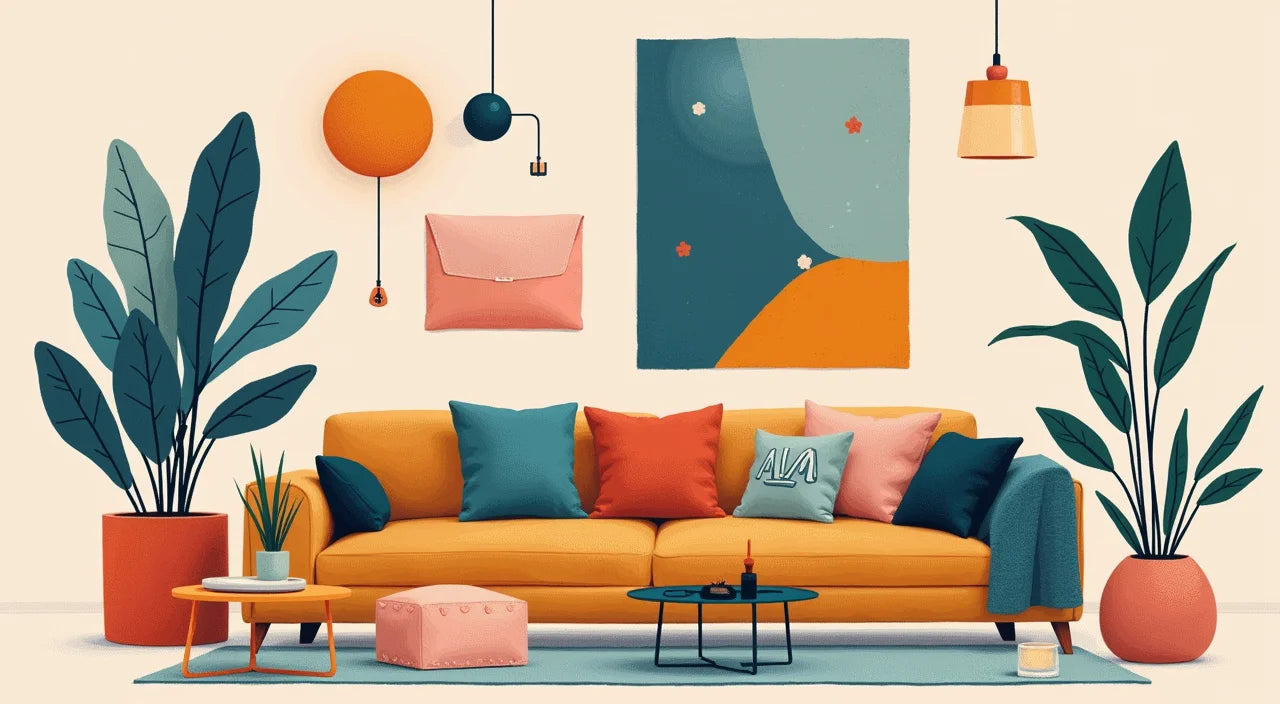
Vibrant colors, playful patterns, and unexpected design elements creating visual personality in living spaces
Advantages and Disadvantages of Unusual Textile Collections
Benefits of Incorporating Distinctive Textiles
- Personal Expression: Unusual textiles allow homeowners to communicate their individual aesthetic preferences and values through interior design choices.
- Visual Interest: These pieces naturally draw attention and create focal points within rooms, enhancing overall spatial composition.
- Conversation Catalysts: Distinctive designs encourage guests to engage with your space, fostering meaningful discussions about your taste and interests.
- Versatility: Quirky textiles work across multiple design styles, from eclectic bohemian to contemporary minimalist approaches.
- Affordable Creativity: Quality distinctive textiles often cost less than major furniture investments while delivering significant visual impact.
- Mood Enhancement: Playful designs can elevate mood and create positive psychological effects within living environments.
Potential Challenges and Considerations
- Coordination Complexity: Balancing multiple unusual patterns requires thoughtful planning to prevent visual chaos or overwhelming aesthetics.
- Longevity Concerns: Bold, trend-specific designs may feel dated more quickly than timeless, neutral alternatives.
- Resale Implications: Properties featuring heavily personalized textiles may appeal to fewer potential buyers during real estate transactions.
- Quality Variability: Not all distinctive textile manufacturers maintain consistent quality standards, requiring careful vendor selection.
- Maintenance Demands: Patterned fabrics sometimes show dirt more readily than solid colors, increasing cleaning frequency requirements.
- Space Sensitivity: Extremely bold designs may overwhelm smaller rooms, making spatial planning essential.
Step-by-Step Guide to Selecting and Styling Distinctive Textiles
Step One: Assess Your Personal Style and Home Environment
Begin by evaluating your existing interior design aesthetic. Consider color palettes, dominant materials, architectural features, and overall room proportions. Determine how much visual boldness feels appropriate for your lifestyle and comfort level. Reflect on whether you prefer subtle quirky touches or dramatic statement pieces. Understanding your baseline aesthetic enables informed textile selections that enhance rather than conflict with existing elements.
Step Two: Identify Complementary Color Palettes
Select distinctive textile colors that harmonize with your existing décor. Look for dominant hues in your walls, furniture, flooring, and artwork. Choose unusual textiles featuring colors that either echo these tones or create intentional contrast. Limit your primary colors to three or four to maintain visual coherence. Remember that neutrals like cream, gray, and black serve as excellent anchors when paired with bold textile patterns.
Step Three: Select Texture and Pattern Combinations
Mix different textile types to create visual depth. Combine smooth fabrics with textured weaves, solid colors with patterns, and matte finishes with subtle sheens. Ensure that patterns at different scales work together harmoniously. For example, pair large-scale prints with smaller geometric patterns. Avoid excessive pattern layering that creates visual overwhelm.
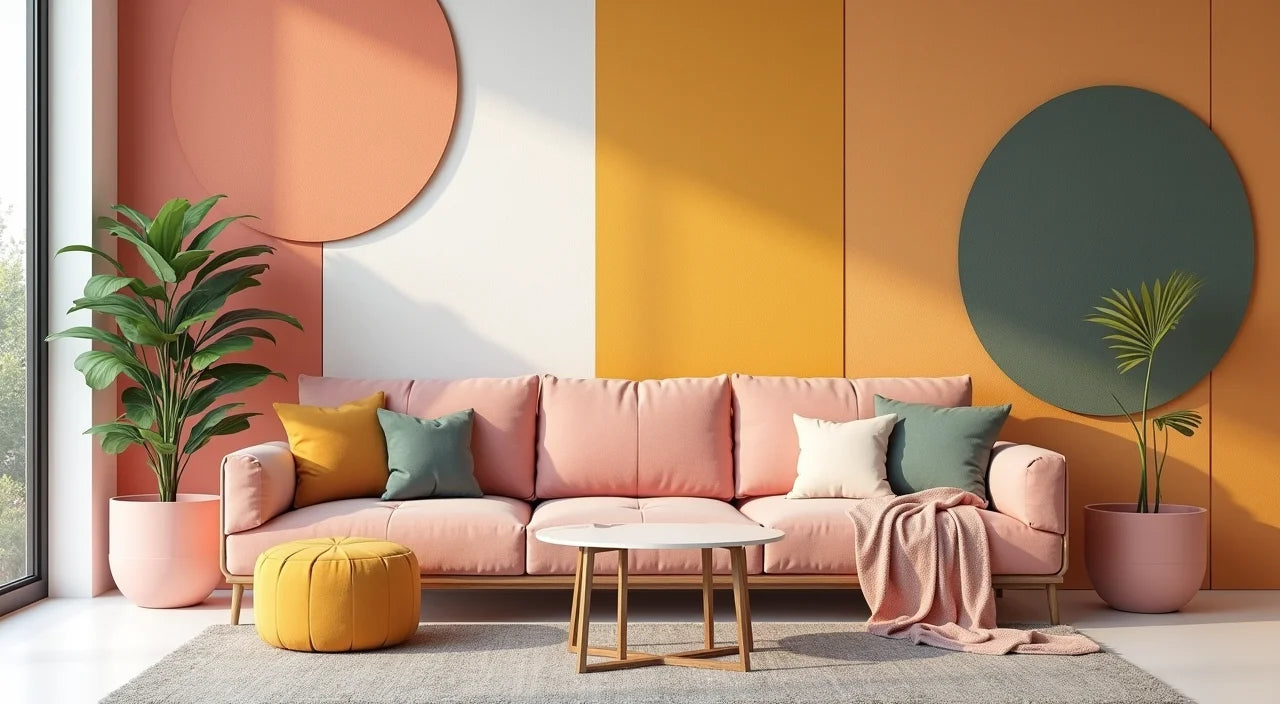
Layered textures, balanced patterns, and coordinated colors creating cohesive interior compositions
Step Four: Strategic Placement and Distribution
Position distinctive textiles throughout rooms with intentional spacing. Avoid clustering all unusual pieces in one area. Distribute visual interest across different zones, allowing the eye to move naturally throughout the space. Consider using distinctive accent pieces as anchors, then building complementary elements around them.
Step Five: Balance Bold Elements with Restraint
For every particularly dramatic textile, include neutral breathing room. This principle prevents sensory overload and ensures your space remains functional and calming. Use solid-colored textiles and furnishings to offset patterned pieces. This balance creates dynamic interiors that feel intentional rather than chaotic.
Step Six: Quality and Care Considerations
Invest in well-made textiles from reputable manufacturers who offer clear care instructions. Check fabric composition, stitching quality, and color fastness before purchasing. Understand washing requirements and durability ratings. Quality distinctive textiles represent better long-term investments than poorly constructed alternatives, regardless of initial cost differences.
Final Recommendations and Practical Application
Incorporating unusual home textiles successfully requires intentional planning and thoughtful execution. Start modestly with a single distinctive piece, then gradually introduce additional elements as you develop confidence. This measured approach allows you to assess how unique textiles integrate into your existing environment.
Consider creating a mood board featuring photographs of spaces you admire. Identify common patterns in colors, styles, and textile types. This exercise reveals your authentic preferences versus trends you think you should like. Use these insights to guide future textile selections.
Invest in quality pieces from trusted sources. Distinctive textile collections from established retailers demonstrate superior construction and design coherence. These items withstand frequent use and maintain visual appeal over extended periods.
Do not hesitate to refresh your textile selections periodically. Unlike permanent architectural elements, textiles offer flexibility. Seasonal updates, style evolution, and changing preferences naturally prompt textile rotation. This adaptability allows your home to grow and transform alongside your personal development.
Remember that successful distinctive textile integration ultimately reflects your authentic preferences. Design rules provide guidance, but personal satisfaction remains the primary goal. Trust your instincts, experiment thoughtfully, and create spaces that genuinely resonate with your personality and lifestyle needs.
Frequently Asked Questions
How do I prevent my quirky home textiles from appearing cluttered or overwhelming?
Balance distinctive patterns with solid-colored textiles and furnishings. Follow the principle of distributed visual interest rather than clustering unusual pieces together. Allow approximately sixty percent of your room to feature neutral elements, thirty percent patterned textiles, and ten percent statement pieces. This ratio maintains visual interest while preserving spatial harmony and preventing aesthetic fatigue.
Can I incorporate unusual textiles into professional or formal interior spaces?
Absolutely. Sophisticated spaces benefit from subtle distinctive elements that reflect refined taste. Choose textiles featuring artistic or literary inspiration, sophisticated color palettes, and quality craftsmanship. A single carefully selected unusual textile piece can add personality without compromising professional aesthetics. Artistic textile selections demonstrate thoughtfulness and cultural awareness.
What textile types work best for high-traffic areas or households with children and pets?
Select durable fabrics with proven stain resistance and washability. Performance textiles engineered for high-use environments combine distinctive aesthetics with practical functionality. Look for synthetic blends, treated natural fibers, and materials explicitly marketed for household durability. Removable covers enable easier cleaning and replacement. Darker or patterned textiles also mask inevitable wear more effectively than light solids.
How do I choose between trendy and timeless distinctive textile designs?
Invest primarily in timeless, enduring designs that reflect genuine aesthetic preferences rather than temporary trends. Reserve a smaller budget portion for trend-responsive pieces that can be easily replaced. Classic distinctive designs featuring universal themes maintain appeal across years and decades, while trend-specific items naturally date themselves.
Where can I source quality distinctive textiles for my home?
Research specialty retailers, artisan marketplaces, and established home décor brands known for distinctive collections. Read customer reviews, examine product photography carefully, and verify material specifications. Support independent designers and small manufacturers who frequently offer unique options unavailable through mass-market retailers. Quality sourcing ensures both aesthetic satisfaction and functional durability.
Should I coordinate distinctive textiles throughout my entire home or limit them to specific rooms?
Both approaches work effectively depending on your preferences and home layout. Some homeowners successfully coordinate distinctive textile themes across multiple spaces, creating narrative continuity throughout their homes. Others prefer confining bold designs to specific rooms, preserving neutral aesthetics elsewhere. Consider your lifestyle, entertaining frequency, and spatial proportions when making this decision. Trust your instincts regarding what creates a welcoming, cohesive environment for your household.
About the Author
Sarah Mitchell, Interior Design Specialist
Sarah Mitchell brings over twelve years of professional experience in contemporary interior design and home textiles. She specializes in helping homeowners integrate distinctive, personality-driven design elements into functional living spaces. Her expertise encompasses color theory, pattern coordination, sustainable textiles, and emerging design trends. Sarah earned her professional certification from the American Society of Interior Designers and maintains active involvement in design community education initiatives. When not consulting on textile selections, she enjoys collecting unique textile pieces from artisans worldwide and exploring how cultural design traditions inspire modern home aesthetics. Sarah believes every home should authentically reflect its inhabitants' personalities and values, and she remains passionate about helping clients achieve this through thoughtful, creative design choices.