How to Choose Decorative Kitchen Textiles for a Cozy Kitchen
Cassandras ShopUpdated on: April 3, 2026
Decorative kitchen textiles transform your cooking space into a stylish and functional environment. From tea towels to aprons and table runners, these fabrics add personality while serving practical purposes. Understanding quality, design options, and care requirements helps you select textiles that enhance your kitchen's aesthetic and durability. This guide covers essential considerations for choosing the right pieces for your culinary space.
Table of Contents
- Common Mistakes When Selecting Kitchen Textiles
- Buyer's Checklist for Kitchen Fabrics
- Frequently Asked Questions
- Wrap-Up and Final Thoughts
- Questions and Answers
Introduction
Your kitchen deserves attention to detail, and decorative kitchen textiles play a crucial role in creating an inviting atmosphere. Whether you are renovating your space or simply refreshing its appearance, textile choices matter significantly. These fabrics include kitchen towels, oven mitts, aprons, placemats, and table runners that combine functionality with visual appeal. Quality textiles not only enhance your kitchen's design but also improve its usability and longevity. Understanding how to select the right pieces ensures you invest wisely in products that reflect your style and meet your practical needs.
Common Mistakes When Selecting Kitchen Textiles
Many homeowners overlook critical factors when purchasing kitchen fabrics. One prevalent error involves choosing aesthetics over functionality. While a beautiful tea towel catches the eye, it must also absorb moisture effectively and withstand frequent washing. Another common mistake is ignoring fabric composition. Natural fibers like cotton and linen offer superior durability compared to synthetic blends, though they may require different care approaches.
Budget constraints sometimes lead to purchasing low-quality textiles that deteriorate quickly. Investing slightly more in premium fabrics saves money long-term through extended lifespan and better performance. Additionally, many buyers neglect color fastness, resulting in faded kitchen linens after several washes. Selecting products with colorfast dyes ensures vibrant appearance maintenance. Finally, overlooking care instructions causes unnecessary wear and damage. Reading manufacturer guidelines prevents shrinkage, discoloration, and fabric degradation that compromises both appearance and function.
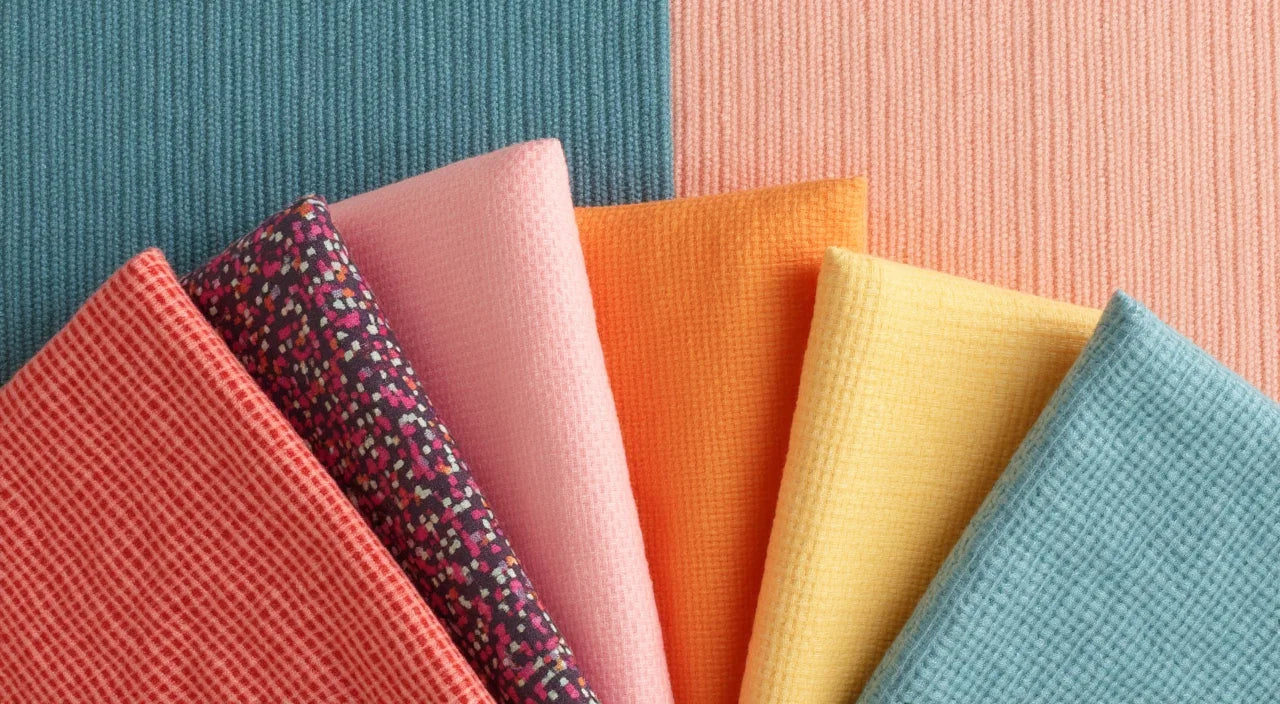
Vibrant fabric swatches displaying various weave patterns and color options for kitchen linens
Buyer's Checklist for Kitchen Fabrics
Before purchasing decorative kitchen textiles, evaluate these essential factors:
- Verify fiber content and composition percentages
- Check fabric weight and density for durability
- Confirm colorfast dye application through reviews or testing
- Review care instructions for practical maintenance
- Assess weave tightness to prevent fraying and unraveling
- Evaluate absorbency levels for functional use
- Consider design compatibility with existing kitchen decor
- Compare pricing against quality metrics and longevity
- Inspect stitching quality on hems and edges
- Research manufacturer reputation and customer satisfaction
- Determine wash frequency and select accordingly
- Examine texture and feel for comfort and aesthetics
This comprehensive checklist guides you through evaluation processes, ensuring informed purchasing decisions. Quality kitchen linens enhance both visual appeal and practical functionality while maintaining their integrity through extended use and regular washing cycles.
Understanding Fabric Types and Materials
Different materials offer distinct advantages for kitchen environments. Cotton remains the most popular choice due to its breathability, absorbency, and durability. Linen provides exceptional strength and becomes softer with each washing, making it ideal for frequently used kitchen textiles. Blended fabrics combining cotton with polyester offer wrinkle resistance and easier maintenance, though pure natural fibers typically perform better for kitchen applications.
When selecting decorative kitchen textiles, consider how different materials perform under typical kitchen conditions. High-moisture environments, heat exposure from cooking, and frequent laundering require fabrics that withstand these stressors. Egyptian cotton, known for longer fibers and superior strength, outperforms standard cotton varieties. Belgian linen, similarly, offers premium quality through specific production methods that enhance durability and aesthetic appeal. Understanding these distinctions helps match textile properties to your kitchen's specific demands and usage patterns.
For those seeking unique decorative elements beyond traditional textiles, consider complementary accessories. Items like ceramic night lights can enhance kitchen ambiance while maintaining practical functionality and aesthetic coordination with your textile selections.

Close-up view of tightly woven fabric texture showing thread density and weave structure
Design Considerations and Style Integration
Decorative kitchen textiles serve as design anchors that set your culinary space's tone. Color selection significantly impacts overall kitchen aesthetics. Neutral tones like white, cream, gray, and beige provide versatility and timeless appeal. Bold colors and patterns inject personality but require thoughtful coordination with cabinetry, countertops, and wall colors. Patterns range from traditional checks and stripes to modern geometric designs and botanical prints, each offering distinct visual impact.
Mixing and matching textile pieces creates layered visual interest without overwhelming the space. Coordinating colors across multiple items—towels, aprons, and table runners—establishes cohesive design schemes. Conversely, intentional contrast through complementary colors or patterns adds sophistication and visual dynamism. Consider seasonal updates with rotating textile collections to refresh your kitchen's appearance affordably. This approach prevents design fatigue while accommodating evolving personal preferences and emerging style trends.
Care and Maintenance Guidelines
Proper care extends textile lifespan and maintains appearance quality. Most kitchen fabrics benefit from regular washing in warm water using mild detergents. Avoid bleach on colored textiles, which causes fading and material damage. Drying methods significantly impact durability and shrinkage prevention. Air drying preserves fabric integrity better than machine drying, though it requires more time. Machine drying offers convenience but may cause shrinkage, particularly with natural fibers.
Iron kitchen textiles at appropriate temperature settings based on fabric composition. Cotton and linen tolerate higher heat, while blended fabrics require moderate temperatures to prevent damage. Storing textiles in cool, dry locations prevents mildew growth and discoloration. Avoid direct sunlight during extended storage, which causes fading. Following manufacturer instructions prevents common problems like shrinkage, color bleeding, and fiber weakening that compromise both functionality and aesthetics over time.
Frequently Asked Questions
What fabric weight works best for kitchen towels?
Medium to heavy-weight fabrics perform optimally for kitchen towels. These densities provide superior absorbency and durability compared to lightweight materials. Fabrics between 400 to 600 grams per square meter offer the ideal balance between absorbency, quick drying, and durability for frequent use and regular washing.
How often should decorative kitchen textiles be replaced?
Quality kitchen textiles typically last two to five years depending on usage frequency and care practices. Heavy-use items like dish towels may require replacement sooner than decorative table runners. Regular inspection for wear, staining, and functional decline helps determine replacement timing. Quality fabrics maintain appearance and performance longer, justifying initial investment costs.
Can kitchen textiles be customized with monograms or designs?
Yes, many manufacturers offer personalization options including embroidery, printing, and monogramming. Custom designs add personal touches and create thoughtful gifts. Ensure customization services use colorfast inks and secure stitching methods that withstand repeated washing. Professional embroidery and printing services maintain quality better than amateur alternatives, preserving custom designs through extended use.
What sustainable options exist for kitchen textiles?
Organic cotton and linen produced without synthetic pesticides offer environmentally conscious choices. Certified sustainable fabrics from reputable manufacturers meet strict environmental and social standards. Consider purchasing from companies emphasizing ethical production practices and minimal environmental impact. Durable, long-lasting textiles reduce waste by requiring less frequent replacement, contributing to overall sustainability goals.
Wrap-Up and Final Thoughts
Selecting appropriate decorative kitchen textiles involves balancing aesthetic preferences with practical functionality. Quality materials, proper care, and thoughtful design integration create kitchens that are both beautiful and highly functional. By understanding fabric composition, evaluating durability, and maintaining textiles properly, you maximize your investment and enjoy long-lasting results. Whether updating your kitchen or beginning from scratch, these guidelines ensure confident purchasing decisions that enhance your culinary space's appeal and usability.
Start evaluating your kitchen textile needs today using this comprehensive guide. Visit Cassandras Shop to explore complementary kitchen accessories that coordinate with your textile selections, creating cohesive, professionally designed spaces that reflect your personal style and culinary passion.
Questions and Answers
Are expensive kitchen textiles always better than affordable options?
Not necessarily. While premium fabrics often feature superior materials and construction, many affordable options deliver excellent quality and durability. Focus on specific factors like fiber content, weave density, and construction quality rather than price alone. Reading customer reviews and comparing material specifications helps identify genuinely quality products at various price points.
Can kitchen textiles be used in other areas of the home?
Absolutely. Many decorative kitchen textiles work beautifully in dining areas, bathrooms, and living spaces. Their durability and aesthetic appeal make them versatile additions to various rooms. Consider your overall home design scheme when purchasing, recognizing that quality textiles enhance multiple environments beyond the kitchen.
How do seasonal changes affect kitchen textile selection?
Seasonal variations offer opportunities for refreshing kitchen aesthetics affordably. Lighter colors and fabrics suit warm seasons, while deeper tones and heavier materials work well in cooler months. Rotating textile collections prevents design fatigue and allows personal expression throughout the year. Many people maintain two or three coordinating sets for flexibility and extended usage across seasons.
What resources help identify quality kitchen textile brands?
Consumer review websites, home and lifestyle magazines, and specialty retailer recommendations provide valuable guidance. Online communities focused on home design share personal experiences and product recommendations. Visiting showrooms allows you to feel fabric quality directly before purchasing. Trusted sources like Merit Sell may offer marketplace comparisons. Word-of-mouth recommendations from friends and family often lead to quality products and reliable retailers.
Should matching sets be purchased, or is mixing pieces acceptable?
Mixing coordinating pieces creates more sophisticated, layered designs than matching sets alone. Combining different patterns, textures, and colors within coordinated color families produces visual interest and flexibility. Matching sets offer simplicity and convenience, but intentional mixing demonstrates design sophistication and personal style. Choose approaches aligned with your aesthetic preferences and design comfort levels.
Do kitchen textiles require special detergents or washing methods?
Standard mild detergents work well for most kitchen textiles. Avoid harsh chemicals, excessive bleach, or fabric softeners that may damage fibers or reduce absorbency. Following manufacturer care instructions ensures optimal results and prevents premature wear. Most kitchen textiles thrive with regular, gentle washing in warm water using moderate detergent amounts.
How does humidity impact kitchen textile storage and longevity?
High humidity environments promote mildew growth and discoloration in stored textiles. Maintain storage areas with controlled humidity levels, ideally between 30 and 50 percent. Use breathable storage containers rather than sealed plastic bags that trap moisture. Inspect stored textiles periodically for signs of mold or mildew, addressing issues immediately to prevent permanent damage.
What role do kitchen textiles play in overall kitchen design schemes?
Kitchen textiles serve as design anchors that coordinate with other elements like cabinetry, countertops, and wall treatments. They introduce color, pattern, and texture that define kitchen personality. Quality textile selections elevate entire kitchen aesthetics, making the space feel intentionally designed rather than randomly assembled. Textiles offer affordable design updates without major renovations, providing flexible styling options.
Are vintage or antique kitchen textiles suitable for modern kitchens?
Vintage textiles can beautifully complement modern kitchens when selected thoughtfully. Vintage pieces introduce character and unique design elements unavailable in contemporary production. Mix vintage items with modern pieces for balanced, eclectic aesthetics. Ensure vintage textiles are clean and functional before use, as their age may require gentle handling and careful maintenance.
How can budget-conscious decorators maximize kitchen textile impact?
Purchasing high-quality basics like plain white or neutral-toned towels provides versatile foundations. Add visual interest through affordable statement pieces like patterned table runners or decorative aprons. Seasonal updates and strategic mixing prevent costly mistakes. Shopping during sales and promotional periods yields significant savings without sacrificing quality. Prioritizing durable investment pieces ensures long-term value despite initial budget constraints.
What emerging trends influence modern kitchen textile design?
Sustainable and eco-friendly materials increasingly dominate kitchen textile markets. Bold, maximalist patterns and jewel tones represent contemporary design directions. Handcrafted and artisanal textiles appeal to consumers seeking uniqueness and supporting small producers. Minimalist design approaches favor quality neutral fabrics emphasizing texture over color. Understanding emerging trends helps identify timeless pieces that avoid rapid aesthetic obsolescence.
How do professional designers approach kitchen textile selection?
Professional designers prioritize functionality alongside aesthetics, selecting textiles meeting specific kitchen demands. They consider color coordination, scale, and proportion within overall kitchen design schemes. Designers often source premium materials ensuring longevity and satisfaction. They balance trend-forward elements with timeless pieces preventing rapid design fatigue. Professional guidance proves valuable for significant kitchen investments or complex design challenges requiring expert perspective.
What factors determine kitchen textile price variations?
Material quality significantly impacts pricing, with premium natural fibers commanding higher costs than synthetic alternatives. Brand reputation, design complexity, and manufacturing location influence pricing structures. Custom personalization and specialized production methods increase expenses. Import duties and retail margins affect final consumer prices. Understanding these factors helps evaluate whether price differences reflect genuine quality improvements or marketing premiums without material value additions.
Can kitchen textiles be professionally cleaned for extended lifespan?
Professional cleaning services can extend textile lifespan through specialized treatments removing deep-set stains and odors. However, home care with proper detergents and gentle washing typically suffices for regular maintenance. Professional cleaning proves valuable for delicate, vintage, or heavily soiled items requiring expert restoration. Regular gentle home care prevents stain setting and odor accumulation, reducing professional cleaning necessity.
How do personal style preferences influence kitchen textile decisions?
Personal style represents the foundation for textile selection, ensuring purchased items reflect genuine preferences. Bold, expressive individuals gravitate toward vibrant colors and striking patterns. Minimalists prefer neutral palettes and subtle textures. Modern enthusiasts select clean lines and contemporary designs, while traditional decorators favor classic patterns and timeless styles. Honoring personal preferences ensures satisfaction and prevents purchasing regrets despite prevailing trends.
What role do textiles play in kitchen functionality beyond aesthetics?
Functional kitchen textiles absorb moisture, prevent staining, protect surfaces, and improve safety. Quality aprons protect clothing while working, oven mitts provide heat protection, and towels manage spills effectively. Placemats protect tables from food and beverage damage. Non-slip backing on certain textiles prevents accidents. These practical functions matter as much as appearance when selecting pieces for active cooking environments where safety and durability prove essential.
How can kitchen textiles coordinate with other home décor elements?
Textile colors and patterns should complement kitchen cabinetry, countertops, and wall treatments. Consider existing design elements when selecting new textiles. Color wheels guide complementary and harmonious color combinations. Repeating textile colors in other kitchen areas creates cohesion. Textiles can either coordinate with existing elements for unified appearance or intentionally contrast for visual excitement and interest.
What advantages do specialized textile retailers offer over general retailers?
Specialized retailers provide expert knowledge, curated selections, and personalized service. Staff understand fabric properties, care requirements, and design coordination expertise. Specialized retailers often carry premium brands and exclusive designs unavailable at general retailers. Customer service excellence and liberal return policies provide shopping confidence. Visiting specialty retailers allows direct fabric inspection, ensuring satisfaction before purchasing.
Are subscription services beneficial for kitchen textile enthusiasts?
Textile subscription services deliver curated selections regularly, providing convenient shopping and regular refresh opportunities. Subscriptions introduce customers to emerging designers and products they might not discover independently. Monthly or seasonal deliveries maintain current, stylish kitchen appearance without significant effort. Subscription costs vary, so evaluate pricing against value received and whether benefits justify ongoing expenses.
How do kitchen size and layout influence textile selection?
Smaller kitchens benefit from lighter colors and smaller patterns that visually expand the space. Larger kitchens accommodate bold colors and dramatic patterns without overwhelming. Open-concept kitchens require textiles coordinating with adjacent living areas. Layout considerations determine textile placement and visibility, influencing design impact. Understanding spatial relationships ensures textiles enhance rather than compete with kitchen architecture and dimensions.
What investment perspective should inform kitchen textile purchasing?
Quality kitchen textiles represent valuable home investments, enhancing both functionality and property appeal. Durable, well-maintained textiles last years without replacement, offering long-term value. Superior materials withstand heavy use and frequent washing, protecting your initial investment. Consider purchased items' longevity and quality-to-price ratio rather than lowest purchase prices. Strategic investment in quality basics provides lasting returns through extended usability and maintained appearance.
How can kitchen textiles contribute to overall home wellness and comfort?
Beautiful, functional kitchen spaces enhance daily quality of life and encourage culinary creativity. Tactilely pleasing, visually appealing textiles create inviting environments where people enjoy spending time. Comfortable, safe kitchen environments reduce cooking stress and improve meal preparation experiences. Quality textiles supporting this comfort and safety directly contribute to household wellness and family satisfaction with shared spaces.
What future directions might kitchen textile design embrace?
Smart textiles integrating temperature-regulation or antimicrobial properties represent potential innovations. Sustainable production methods using renewable materials and ethical labor practices will likely dominate future markets. Digital printing technologies enable affordable customization and on-demand production. Virtual design tools may allow customers to preview textiles in their kitchens before purchasing. These emerging possibilities promise exciting developments for kitchen textile enthusiasts.
About the Author
Cassandras Shop Editorial Team
The Cassandras Shop editorial team specializes in home décor, kitchen design, and lifestyle topics that enhance everyday living. With extensive experience evaluating quality products and design trends, our experts provide trusted guidance for home improvement decisions. We combine practical knowledge with aesthetic appreciation, helping customers create beautiful, functional spaces reflecting personal style. Our commitment to thorough research and honest recommendations ensures valuable, reliable information for discerning homeowners seeking to elevate their living environments.