How to Choose Artisan Kitchen Towels for Your Home
Cassandras ShopUpdated on: 2026-06-20
Artisan kitchen towels combine everyday function with thoughtful craftsmanship. The best towels balance absorbency, durability, and comfort for daily kitchen tasks. Choosing the right fabric and weave helps you handle drying, wiping, and light prep work more efficiently. With simple care practices, these towels stay soft and reliable for long-term use.
Table of Contents
TLDR
Artisan kitchen towels deliver strong absorbency, dependable abrasion resistance, and a more refined feel than mass-produced options. Select fabric based on your main use: cotton for general wiping, linen for fast drying, and blends for balance. Prioritize weave density and edge finishing to reduce fraying and improve performance. Clean them consistently and rotate your set to maintain freshness and absorbency.
Product Spotlight
If you want one upgrade that changes daily kitchen comfort immediately, choose a set of artisan kitchen towels with a tightly woven structure and well-finished edges. This category typically emphasizes skilled textile construction, careful stitching, and materials chosen for both absorbency and long-term wear. Unlike thin towels that lose performance quickly, artisan styles tend to keep their texture through repeated washing when you follow appropriate care.
Look for three performance signals when evaluating artisan kitchen towels:
- Absorbency with controlled thickness. High water pickup matters, but overly thick fabric can slow drying and trap odors.
- Weave quality. A balanced weave increases wiping efficiency and reduces streaking on glass and counters.
- Edge durability. Reinforced hems and sturdy finishing help towels survive frequent use without fraying.
For kitchen tasks, consider pairing towels by function rather than treating them as identical replacements. A more absorbent towel supports drying cookware and handling spills. A smoother, fast-drying towel supports wiping surfaces and polishing glass. This approach keeps your kitchen workflow organized and reduces the need for extra disposable paper.
When selecting color and pattern, choose designs that help you track cleanliness. Light or medium tones can make it easier to spot residue. Subtle textures can hide minor wear marks while still reading clean. If your kitchen has a consistent palette, artisan textiles often integrate well without looking overly decorative.
For shoppers who also enjoy home accessories with a gentle, craft-forward aesthetic, you may find inspiration in a curated selection of ceramic night lights from koi fish ceramic night lights. While this is not related to towels, it reflects the same preference for careful design and thoughtful detail.
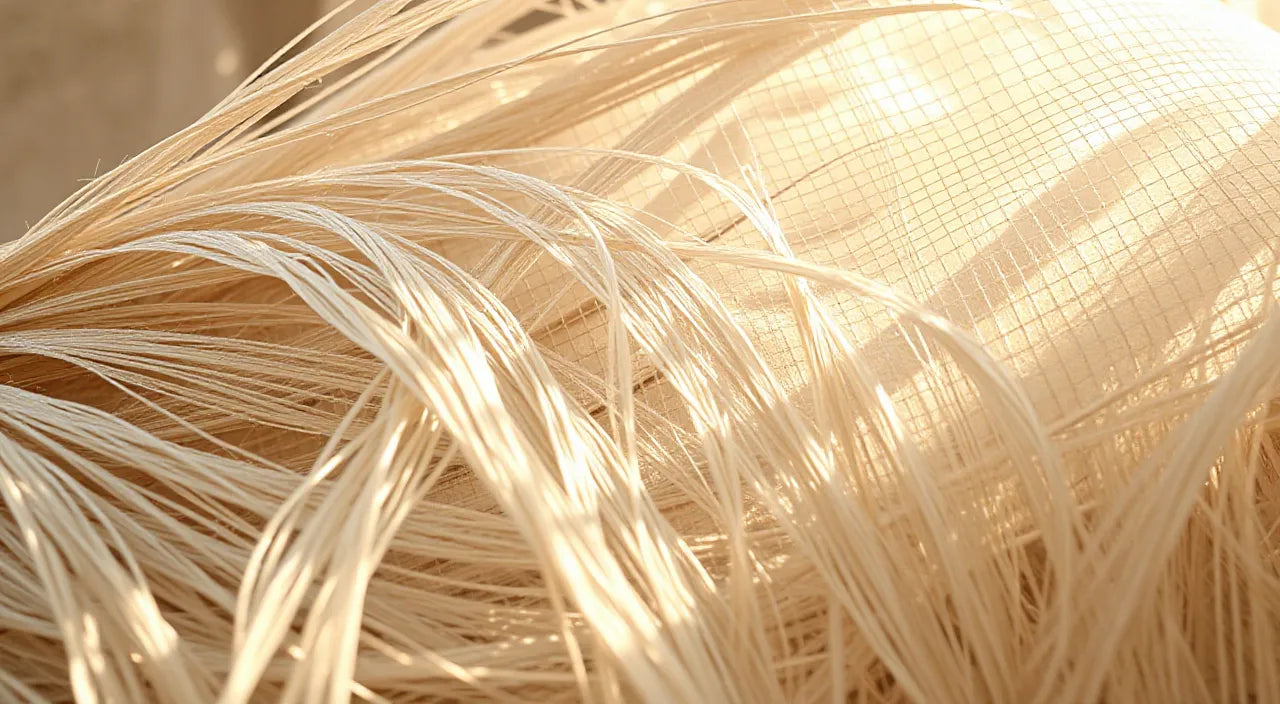
Textile threads, balanced weave, and durable stitching
Step-by-Step How-To
Using artisan kitchen towels effectively depends on fit, technique, and care. Follow this simple routine to extend towel life and protect performance. The steps below work for cotton, linen, and common woven blends, while still encouraging you to follow the care instructions included with your purchase.
- Assign towel roles before the first wash. Designate one towel for drying hands and hands-on tasks, a second for dish and cookware drying, and a third for counters and glass. This reduces cross-use and improves overall hygiene.
- Pre-wash once if the fabric feels stiff. Many newly purchased textiles feel crisp. A single wash can relax fibers and improve absorbency. Use a mild detergent and avoid fabric softeners.
- Dry towels thoroughly between uses. Damp towels keep odor-promoting conditions. Hang towels with airflow or place them in a well-ventilated area after washing.
- Use the towel weave for the surface. For glass and stainless steel, apply light pressure and wipe in one direction. For rough tasks like drying cookware ridges, use a firmer press to move water efficiently.
- Rotate your set. If you rely on one towel for everything, it will lose absorbency faster. Rotation distributes wear and helps each towel dry fully.
- Wash at an appropriate temperature. Follow the product label. In general, consistent washing helps remove oils that build up and reduce absorbency.
- Inspect edges for early wear. Check hems and stitched corners. Small loose threads should be trimmed early to prevent spread during future washes.
- Store towels clean and dry. Keep them in a dry cabinet with airflow. Avoid storing them while still damp, even briefly.
To support a calmer kitchen atmosphere, some customers also pair practical textiles with soothing decor. If you prefer a coastal theme, you can explore blue heron ceramic night lights as a subtle accent. The visual mood reinforces a clean, curated space while your towels handle the functional needs.
For additional seasonal design ideas, you can also consider sting ray ceramic night lights. This does not change towel performance, but it can help you build a cohesive home aesthetic around kitchen essentials.

Kitchen workflow mapped with three drying zones
Personal Experience
I adopted artisan kitchen towels during a period when my kitchen felt crowded and my cleaning routine felt repetitive. I noticed that paper towels were multiplying, and the towels I already owned were simply not drying well enough. They became stiff, less absorbent, and sometimes developed a persistent odor after busy days.
After switching to a well-constructed woven towel set, the difference was immediate. The towels absorbed quickly, then released water efficiently during washing. More importantly, the surfaces wiped cleaner. I also started separating tasks. One towel became my glass and countertop wipe, while another handled cookware drying. That small workflow change reduced streaks and made the kitchen feel more orderly.
Over the following weeks, I adjusted care. I avoided fabric softeners and focused on thorough drying after every wash. I also rotated the set during high-usage days. Instead of feeling like I needed a constant supply of replacements, the towels stayed reliable. The overall effect was less waste and a more composed daily routine.
For anyone who enjoys coordinated home details, I also like pairing functional items with gentle decor. I use a quiet bedside accent when I cook late, and I have found that snowy owl ceramic night lights create a calm backdrop during evening cooking. It is not a kitchen towel replacement, but it supports a consistent mood: practical tools plus thoughtful visual comfort.
Summary & Recommendations
Artisan kitchen towels are a practical upgrade when you want better performance and a more refined kitchen experience. Prioritize absorbency that dries at a reasonable speed, choose a weave that supports clean wiping, and select durable edge finishing to minimize fraying. Build a small set with distinct roles so each towel performs the job it was designed to handle.
Recommended approach:
- Choose by task: drying, wiping, and light prep each benefit from different towel behavior.
- Wash consistently: remove oils that reduce absorbency and restore fiber function.
- Dry fully: airflow prevents odor buildup and maintains softness.
- Rotate: a shared set performs better than a single overused towel.
If you want to curate a home feel that matches your kitchen routine, you can also build a coordinated selection of artisan-style accents. This mindset is consistent with the design and craftsmanship focus behind towels and other home accessories.
Q&A Section
How do I choose the right fabric for artisan kitchen towels?
Start with your dominant task. Cotton towels usually provide versatile absorbency for drying and everyday wiping. Linen tends to dry faster and supports quick cleanup. Blends can offer a balance of softness and efficient moisture release. When in doubt, select a towel with a dense weave and strong edge finishing.
Why do some towels lose absorbency after a few weeks?
Absorbency often drops when fibers become coated with oils, detergent residue, or softeners. Inadequate drying between uses can also affect texture and performance. Consistent washing with mild detergent, skipping fabric softeners, and drying towels fully usually restores better water pickup.
Can artisan kitchen towels be used for both dishes and glass?
Yes, but performance improves when you separate tasks. Glass and polished surfaces benefit from a towel dedicated to wiping, which reduces the chance of leaving residue. If you use one towel for everything, rotate more frequently and wash promptly after high-residue tasks.
What is the best way to prevent fraying on woven towels?
Choose towels with reinforced hems and stitched edges, then trim loose threads as soon as they appear. Wash gently and avoid overloading the washer so fibers receive appropriate agitation. Proper drying and storage also helps reduce stress on seams.
About the Author
Cassandras Shop
Our team specializes in practical home textiles and craft-minded accessories with a focus on everyday performance and thoughtful design. We research durable materials, helpful care practices, and user-centered kitchen routines to guide confident purchasing. Thank you for reading, and we invite you to keep building a cleaner, more efficient home with purposeful essentials.
Disclaimer: This article provides general informational guidance and does not replace product care instructions or medical advice. Always follow the specific care label and manufacturer recommendations for your towels.
The content in this blog post is intended for general information purposes only. It should not be considered as professional, medical, or legal advice. For specific guidance related to your situation, please consult a qualified professional. The store does not assume responsibility for any decisions made based on this information.