Handmade Home Textiles: How to Style Every Room
Cassandras ShopUpdated on: 2026-06-26
Handmade home textiles bring more than decoration. They add texture, warmth, and a sense of care to everyday rooms. Because they are made with intentional materials and craftsmanship, they often perform differently than mass-produced alternatives. This guide explains common misconceptions, shows what to look for when choosing quality, and offers practical care tips. You will also learn how to style textiles so they feel cohesive rather than cluttered.
What Are Handmade Home Textiles?
Handmade home textiles are fabrics and textile goods created through manual processes rather than fully automated production. The phrase typically includes items such as woven or knit throws, table linens, curtains, cushion covers, and bedding accessories. What distinguishes handmade work is not only the method, but also the craftsmanship choices made during construction: thread selection, stitch density, finishing details, and how edges are reinforced.
In practical terms, these textiles often feel more intentional. They can offer a softer hand, more nuanced texture, and seams that look neat because they were built with attention. Even when two items appear similar on the surface, small differences in fiber quality, weave structure, and finishing techniques can change how the textile behaves in daily use.
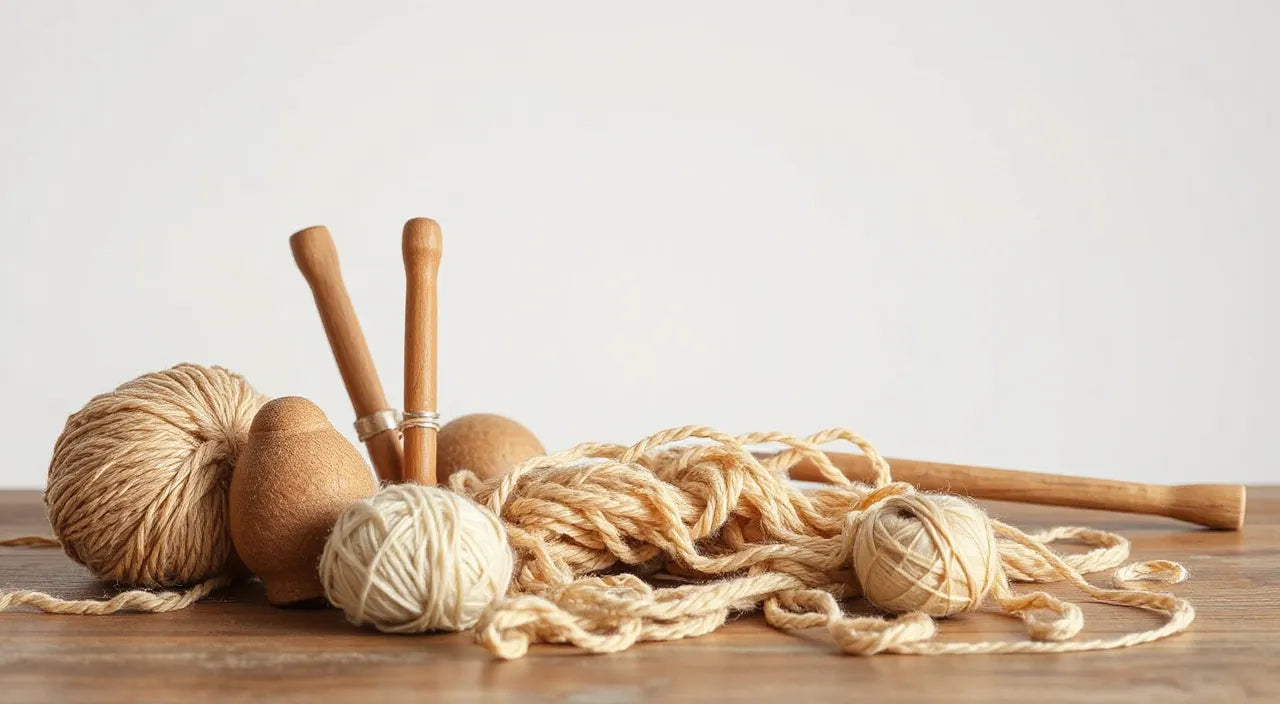
Weaving tools and yarn fibers symbolizing craftsmanship
Myths vs. Facts About Handmade Home Textiles
- Myth: Handmade textiles are always delicate and hard to maintain. Fact: Many are built for regular home use. Proper construction and sensible care often allow long service life.
- Myth: Handmade means inconsistent quality. Fact: Good makers apply quality checks throughout production. Variations can occur, but they are often part of the natural character of handcrafted work.
- Myth: Handmade textiles are only for traditional interiors. Fact: Craft techniques can create modern textures, neutral palettes, and minimal patterns that fit contemporary spaces.
- Myth: Higher price automatically guarantees better materials. Fact: Price can reflect labor and finishing, but you should still verify fiber content, construction method, and care instructions.
- Myth: All handmade textiles are environmentally superior by default. Fact: Environmental impact depends on fiber sourcing, dye choices, transport, and durability. The best approach is to evaluate materials and longevity together.
How Craft Improves Performance
Performance is where many people notice the difference after some time. Handmade textiles may not always claim “better” in a universal way, but craftsmanship frequently improves measurable comfort factors such as feel, drape, and edge stability. When a maker builds with consistent tension and reinforces stress points, the textile can handle repeated use more effectively.
Consider common construction points:
- Weave or knit structure: Dense structures can resist stretching. Looser patterns may provide breathability but require careful handling.
- Edge finishing: Reinforced hems and thoughtful edging reduce fraying and make laundering more predictable.
- Fiber selection: Natural fibers such as cotton, linen, wool, and blends often contribute to comfort and temperature regulation. The exact behavior depends on the fiber and how it is treated.
- Thread and dye choices: Stronger threads and carefully selected colorants support color stability and reduce premature fading.
From an interior perspective, that craftsmanship can translate into textiles that visually age with grace. Instead of looking “worn” in a negative way, they often develop a lived-in softness.
Textile care symbols and layered fabrics representing maintenance
How to Choose the Right Piece for Your Home
Choosing handmade home textiles is easier when you define the purpose first. A throw used on a sofa demands different qualities than a table runner or curtain panel. Start with functional needs, then move to aesthetic details.
1) Match the textile to the room’s demands
For high-touch areas, focus on durability and comfortable texture. For decorative items, prioritize color harmony and pattern scale. If a textile will be washed frequently, confirm that the construction supports regular cleaning.
2) Inspect the materials and construction
Review fiber content and the intended use. When possible, look for clear information about how the textile is made and how it should be cared for. Even a visually beautiful fabric can disappoint if it is not suited to your routine.
3) Evaluate color and pattern scale
Patterns can dominate a room or subtly support it. Large motifs can anchor a space, while smaller repeats can add softness without competing with existing décor. Neutral palettes can be layered with texture for depth, which is often where handcrafted work excels.
4) Consider size and placement
Textiles look best when proportions are intentional. A runner that ends too early can feel unfinished. A curtain that is too short can look cramped. Measure the surface area and plan how the textile will sit in the space.
If you are building a cohesive textile collection, it can help to start with one “anchor” item, then add complementary pieces. For example, a neutral woven throw can unify a couch area, while coordinating cushion covers can complete the look.
Care and Longevity: Keep Them Looking Their Best
Care does not have to be complicated. The goal is to protect fibers, preserve structure, and maintain color. With handmade textiles, small habits often produce big results.
Wash with intention
Use the gentlest method recommended by the maker. If you are unsure, select a mild cycle and a suitable detergent designed for fabric. Over-agitation can distort knit structures and soften edges prematurely. For items prone to stretching, place them in a mesh laundry bag and avoid high heat.
Dry correctly
Air-drying typically supports long-term shape retention. If you must use a dryer, choose the lowest heat setting and remove the textile while it is still slightly damp. This reduces stress on fibers and helps avoid shrinkage.
Manage pilling and friction
Pilling can occur when fibers rub against each other. This is common on soft knits and throws. Reduce friction by avoiding contact with rough surfaces and rotate items so the same areas do not receive constant wear.
Store to protect texture
When storing textiles, fold carefully and avoid compressing delicate knits for long periods. Use breathable storage solutions so air can circulate. Keep textiles away from direct sunlight to reduce color fading.
Handmade home textiles are often chosen because they feel comforting, and that comfort depends on good fiber care. If you treat them with consistency, they usually reward you with stable appearance over time.
Styling Tips for a Cohesive Look
Styling handcrafted textiles is less about following trends and more about creating balance. Texture is the advantage you want to highlight. When you use multiple textiles, aim for a coherent story through color and scale.
Layer textures, not just colors
Pair a textured weave with a smoother surface such as cotton or linen. This contrast creates visual depth. Even when colors match closely, texture differences keep the look from feeling flat.
Use a simple palette
Choose two or three main tones and allow neutrals to connect them. Handmade textiles often have natural variation, so a restrained palette prevents the room from feeling visually busy.
Repeat elements intentionally
Repeat a color found in a textile elsewhere in the room, such as in a cushion, rug accent, or framed artwork. Repetition makes the textile feel integrated rather than placed at random.
Balance bold patterns with calmer surroundings
If a textile has a strong motif, keep other elements quieter. Solid walls, minimal accessories, and smooth surfaces give patterns room to breathe.
If you want to explore inspiration for home accents beyond textiles, you may also appreciate the lighting options available at Kg2g.store. Thoughtful light can enhance fabric texture and color, especially in rooms where textiles provide the primary warmth.
Final Thoughts & Takeaways
Handmade home textiles offer a distinct mix of comfort, texture, and craftsmanship-driven durability. The key is to choose pieces aligned with their purpose, verify fiber and construction details, and commit to care practices that protect shape and color. Many myths about handmade work are based on outdated assumptions about delicacy and inconsistency. With the right selection approach, handcrafted textiles become a long-term part of how your space feels.
If you want to invest thoughtfully, think in terms of longevity and daily experience rather than appearance alone. When you select well-made textiles and maintain them consistently, they tend to age with character and continue to support a welcoming home.
Q: Are handmade textiles more expensive because they last longer?
A: Cost can reflect labor, materials, and finishing. While long life is common when construction is strong, the best predictor is not the label alone. Review fiber content, care instructions, and build quality, and then choose the textile for the level of everyday use it will experience.
Q: How can I tell whether a handmade textile is well constructed?
A: Look for clear finishing at edges, consistent stitch or weave patterns, and information about fiber content. If the item includes care guidance, follow it. A well-constructed textile typically feels stable, with seams that do not appear loosely attached.
Q: What is the safest way to care for handmade textiles at home?
A: Use the care method recommended by the maker and prioritize gentle cleaning. Air-drying usually helps maintain shape. Avoid high heat and aggressive agitation, and reduce friction from rough surfaces. With consistent care, handmade textiles often remain visually attractive for years.
Q: Can handmade textiles work in modern or minimal interiors?
A: Yes. Choose simple patterns, neutral tones, and textures that complement your existing materials. Handmade work can add warmth to minimal spaces without requiring decorative complexity.
About the Author
Cassandras Shop is led by a team with expertise in textile craftsmanship, material selection, and practical home styling. The approach focuses on helping shoppers understand quality indicators and care routines that preserve comfort and appearance. Thank you for reading, and may your next textile choice feel informed and rewarding.
The content in this blog post is intended for general information purposes only. It should not be considered as professional, medical, or legal advice. For specific guidance related to your situation, please consult a qualified professional. The store does not assume responsibility for any decisions made based on this information.