From Clay to Collection Mastering Artisan Ceramic Design
Cassandras ShopUpdated on: February 27, 2026
Artisan ceramic design represents a timeless craft that combines traditional techniques with contemporary aesthetics. This comprehensive guide explores the fundamentals of handcrafted pottery, design principles, and how these pieces enhance modern living spaces. Whether you are a collector, interior designer, or simply appreciate functional art, understanding ceramic craftsmanship enriches your appreciation for this beautiful medium.
Table of Contents
- Did You Know?
- Comparison: Pros and Cons of Handcrafted Ceramics
- Buyer's Checklist for Artisan Pieces
- The History and Craft of Ceramic Making
- Design Principles in Artisan Ceramic Work
- Practical Applications in Modern Interiors
- Final Thoughts and Advice
- Questions and Answers
Introduction
Artisan ceramic design stands as one of the most revered forms of decorative and functional art in contemporary culture. These handcrafted pieces offer more than aesthetic appeal; they embody human creativity, cultural heritage, and sustainable craftsmanship. Understanding the nuances of ceramic artistry helps you make informed decisions when selecting pieces for your home or collection. This guide provides practical insights into the world of handcrafted pottery, examining what makes these works exceptional and how to incorporate them into your living environment effectively.
Did You Know?
- Ceramic making dates back approximately 20,000 years, with evidence of fired clay vessels discovered in ancient archaeological sites across multiple continents.
- Each handcrafted ceramic piece is entirely unique because artisans create them individually, ensuring no two items are perfectly identical.
- Professional ceramic artists spend an average of five to ten years developing their craft before reaching mastery levels recognized in the industry.
- The firing process can reach temperatures exceeding 2,300 degrees Fahrenheit, transforming raw clay into durable, lasting material.
- Handmade ceramics retain approximately thirty percent more value than mass-produced alternatives when resold, according to antique and craft market analyses.
- Sustainable ceramic production requires significantly less energy and creates fewer environmental byproducts compared to industrial manufacturing processes.
Comparison: Pros and Cons of Handcrafted Ceramics
Advantages
- Unique Character: Each piece demonstrates individual artistic expression and personality not found in factory-produced items.
- Superior Quality: Artisans employ time-honored techniques and premium materials, resulting in durable, long-lasting products.
- Cultural Value: Handcrafted ceramics often preserve traditional methods and cultural heritage passed through generations.
- Customization Options: Artists frequently accept commissions, allowing clients to request specific designs, colors, and dimensions.
- Sustainable Practice: Minimal environmental impact and support for local artisans and small-scale production methods.
- Investment Potential: Quality handmade pieces appreciate in value over time and serve as collectible art.
Disadvantages
- Higher Cost: Artisan pieces typically command premium prices reflecting the labor, skill, and materials involved.
- Production Timeline: Creating handcrafted items takes considerable time, meaning longer wait periods for custom orders.
- Limited Availability: Production quantities remain small, so specific designs may sell out or become unavailable.
- Variation in Finish: Natural variations in color and texture occur with handmade items, which some buyers may view as inconsistent.
- Maintenance Requirements: Certain ceramics require specific care instructions to preserve their condition and appearance.
- Artist Dependency: The availability and style of pieces depend entirely on individual artists' active participation and health.
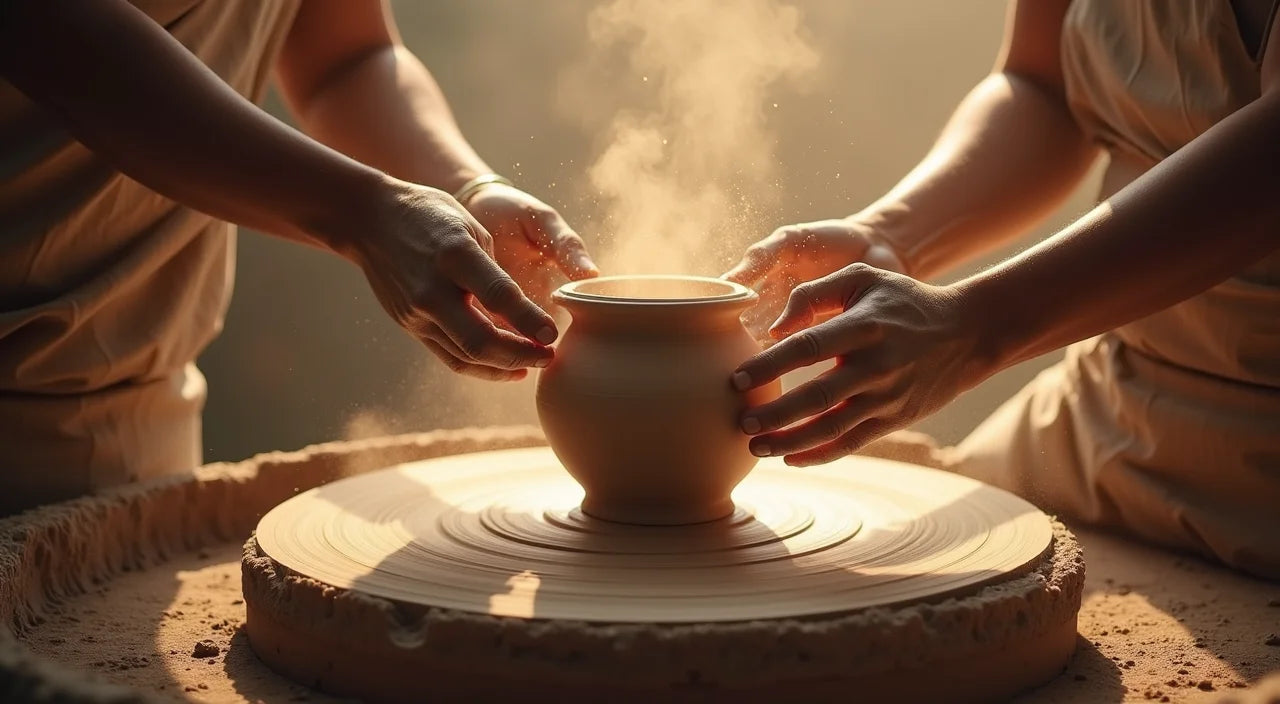
Traditional pottery wheel spinning clay, hands shaping vessel forms, dust particles in warm studio light.
The History and Craft of Ceramic Making
Ceramic artistry traces its origins to prehistoric civilizations that discovered clay could be shaped, dried, and permanently hardened through fire. Ancient cultures across Egypt, China, Mesopotamia, and the Americas developed sophisticated pottery techniques that established foundations for modern ceramic practices. These early innovations demonstrated that clay could serve both functional purposes and artistic expression simultaneously.
Contemporary artisan ceramic design builds upon centuries of refined techniques while incorporating modern aesthetics and experimentation. The hand-building process involves several fundamental methods: coil construction, slab formation, pinching, and wheel throwing. Each technique produces distinctive characteristics that influence the final piece's appearance and functionality. Experienced ceramic artists often combine multiple methods within a single creation, demonstrating advanced technical proficiency and creative vision.
The firing process represents a critical stage in ceramic creation. Artists must carefully control temperature, kiln atmosphere, and duration to achieve desired results. Different firing temperatures and methods produce varying finishes, from matte to glossy surfaces, affecting both aesthetic and practical properties. Understanding kiln dynamics separates novice potters from accomplished artisans who consistently produce professional-quality work.
Design Principles in Artisan Ceramic Work
Successful artisan ceramic design incorporates fundamental principles that govern visual appeal and functional excellence. Balance, proportion, and harmony create aesthetically pleasing compositions that draw viewers' attention. Asymmetrical balance in handcrafted ceramics often provides more visual interest than symmetrical arrangements, reflecting contemporary design sensibilities while honoring traditional craftsmanship.
Form follows function in exceptional ceramic design, meaning the piece's shape must align with its intended purpose. A well-designed bowl facilitates comfortable holding and pouring. A decorative vessel displays visual elements that enhance its environment. Successful artisans understand how their design choices affect both usability and aesthetic impact, creating pieces that excel in both dimensions.
Color application in handmade ceramics demonstrates the artist's sophisticated understanding of glazes and oxides. Natural pigments derived from minerals create distinctive hues that cannot be perfectly replicated, adding genuine uniqueness to each piece. Surface texture, whether smooth or textured, contributes significantly to the tactile and visual experience of engaging with ceramic artwork. These design elements work together, creating comprehensive artistic statements that resonate with discerning audiences.
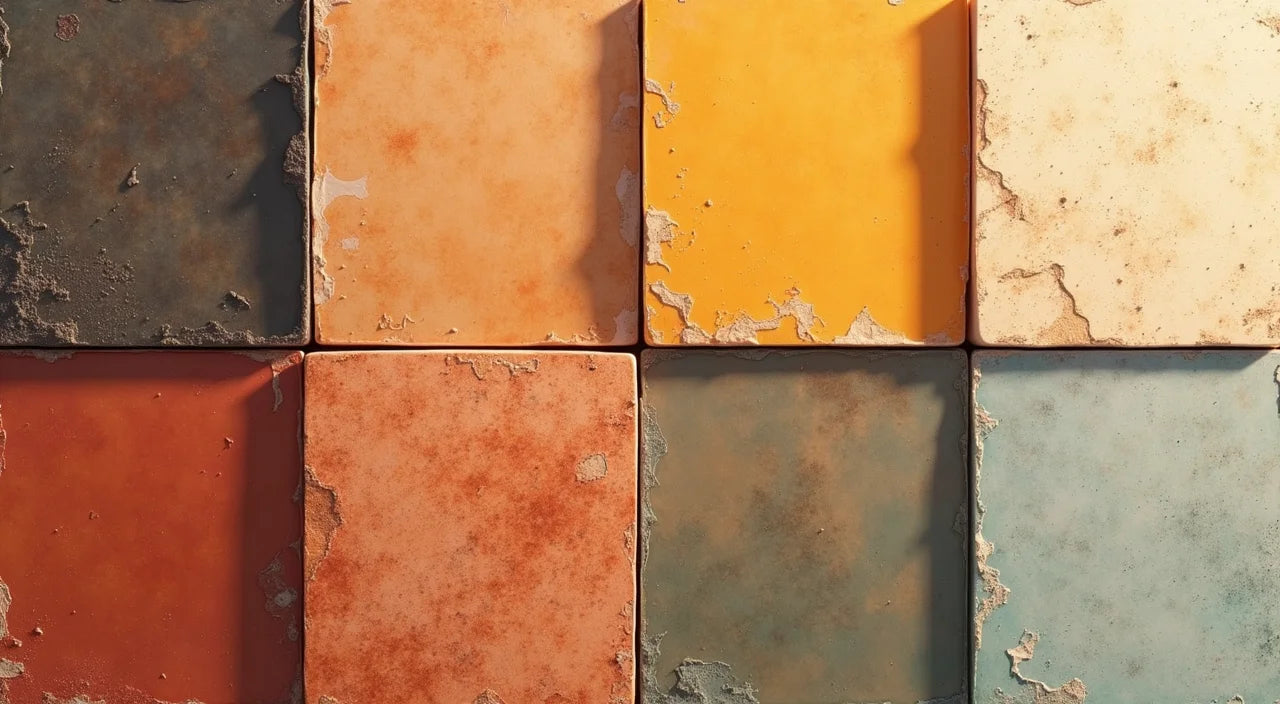
Array of glaze colors swatched on test tiles, rich earth tones and vibrant hues reflecting light differently.
Practical Applications in Modern Interiors
Integrating artisan ceramic design into contemporary living spaces requires thoughtful consideration of style, functionality, and placement. Handcrafted pieces work exceptionally well as focal points in interior design schemes, drawing attention and establishing visual interest. A statement ceramic vessel can anchor a shelf arrangement, while a collection of smaller pieces creates compelling displays.
Functional ceramic items serve dual purposes, combining everyday utility with artistic merit. Consider incorporating ceramic night lights featuring artistic designs that illuminate spaces while contributing to your decor aesthetic. These pieces demonstrate how practical items can embody sophisticated artistic sensibilities, making them ideal choices for those seeking functional beauty.
Color coordination between handmade ceramics and existing interior elements ensures visual cohesion. Neutral-toned pieces complement diverse color schemes, while vibrant ceramics make bold statements in minimalist environments. Texture adds dimension to spaces, particularly important in monochromatic or simple color palettes where surface variation provides visual depth.
Placement strategy significantly impacts how ceramic pieces function within spaces. Positioning items at eye level increases visibility and engagement, while strategically grouped collections create stronger visual impact than scattered individual pieces. Lighting plays a crucial role; natural light and warm artificial lighting enhance glaze qualities and surface details.
Final Thoughts and Advice
Investing in artisan ceramic design represents a commitment to quality, sustainability, and cultural appreciation. When selecting pieces, prioritize artist reputation, material quality, and alignment with your aesthetic preferences. Support independent artisans and small studios that maintain traditional techniques while pushing creative boundaries.
Start small with one or two pieces if you are new to collecting handcrafted ceramics. This approach allows you to develop appreciation and understanding without overwhelming your space or budget. Consider visiting local art galleries, craft markets, and artist studios to see work in person before purchasing. Direct engagement with creators often provides valuable context about production methods, design inspiration, and care requirements.
Explore specialty retailers like those offering curated ceramic collections that showcase diverse artistic voices and styles. Proper care extends your ceramics' lifespan and maintains their beauty for generations. Hand-washing most pieces, avoiding extreme temperature changes, and protecting against chips ensure long-term enjoyment of your collection.
Buyer's Checklist for Artisan Pieces
- Verify artist credentials and production methods used in creating the piece.
- Examine the item closely for quality craftsmanship, even glazing, and proper finishing.
- Confirm the materials used and ask about any special care requirements for your piece.
- Assess whether the piece's dimensions suit your intended space and purpose.
- Consider the color and design compatibility with your existing decor and style preferences.
- Understand the return policy and any guarantees associated with your purchase.
- Research the artist's background and whether their work aligns with your values regarding sustainability and craftsmanship.
- Evaluate pricing reasonably in context of materials, artistic skill, and production time invested.
- Request care instructions and any relevant documentation about the piece's creation date and artist story.
- Consider authentication methods if investing in valuable or collectible ceramic artwork.
Questions and Answers
What distinguishes artisan ceramic design from mass-produced pottery?
Artisan ceramics are created individually by skilled craftspeople using traditional handbuilding or wheel-throwing techniques. Each piece demonstrates unique characteristics, intentional design choices, and the artist's personal expression. Mass-produced pottery involves mold casting or industrial pressing, creating identical items without individual artistic input. Handcrafted pieces typically exhibit superior material quality, attention to detail, and superior durability compared to factory-manufactured alternatives.
How should I care for handmade ceramic pieces to maintain their condition?
Proper care extends your ceramics' lifespan significantly. Hand-wash items using mild soap and soft cloths rather than harsh dishwashers that may damage glazes or cause thermal shock. Avoid placing pieces in direct sunlight for extended periods, as some natural pigments fade with exposure. Store items in stable environments without dramatic temperature fluctuations. Handle ceramics carefully to prevent chips and cracks, and avoid stacking heavy pieces where they might shift. Ask your artist about specific recommendations for your particular piece, as different clay bodies and glazes may have unique care needs.
Why does artisan ceramic design cost more than factory-produced alternatives?
Handcrafted ceramics involve significant investments of time, skill, and materials. Artists spend years developing technical proficiency and artistic vision. Each piece requires individual attention throughout the creation process, from hand-shaping to finishing details. Premium-quality clay and glazes cost considerably more than industrial-grade materials. Firing in traditional kilns consumes substantial energy resources. Additionally, artisans typically maintain smaller production volumes, resulting in higher per-item costs compared to mass manufacturing. The price reflects genuine value created through skilled labor and artistic merit rather than mere material cost.
Can ceramic pieces be customized according to my specific preferences?
Most artisan ceramicists accept custom commissions tailored to individual specifications. You can request specific dimensions, colors, glazing techniques, and design elements. Discuss your vision clearly with the artist and review preliminary sketches or samples before final creation begins. Custom work requires extended timelines, sometimes several months, depending on the artist's current workload. Expect custom pieces to cost more than standard designs due to additional time and personalized attention invested. Building relationships with artists often leads to better collaboration and more satisfactory results.
How do I identify authentic artisan ceramic work versus imitations?
Authentic handmade ceramics bear evidence of hand-crafting methods: visible fingerprints, hand-thrown variations, and artist signatures or marks. Research the artist's background and request documentation about their production methods. Examine pieces closely under good lighting for quality craftsmanship indicators: even glaze application, proper firing results, and attention to detail. Purchase from established galleries, craft markets, and the artists directly whenever possible. Reputable retailers provide artist information and production details. Be cautious of pieces claiming handmade status but showing signs of mold production or industrial finishing techniques.
What role does sustainability play in choosing handmade ceramics?
Artisan ceramic production aligns with sustainable principles through minimal waste generation, reduced energy consumption compared to industrial manufacturing, and support for local economies. Handcrafted items' durability means they remain in use longer, reducing replacement frequency and environmental impact. Many artisans source materials responsibly and employ eco-conscious firing methods. Choosing handmade ceramics over mass-produced alternatives reduces your personal environmental footprint while supporting sustainable business practices and fair labor conditions for skilled craftspeople.
Where can I find quality artisan ceramic pieces for purchase?
Explore local artist studios, craft galleries, and art markets within your community. Many cities host seasonal art fairs featuring ceramic artisans. Online platforms connect collectors with artists worldwide, offering broader selection and access to international work. Specialty retailers often curate collections from multiple artists, providing vetted quality. Consider retailers like those specializing in handcrafted ceramic lighting and home decor, which highlight artisan work alongside helpful purchasing guidance. Follow ceramic artists on social media platforms for direct engagement with creators and opportunities to view new work.
Should I invest in artisan ceramics as collectible artwork?
Quality handmade ceramics appreciate in value over time, particularly works by established artists with demonstrated skill and recognition. Building a focused collection around specific artists or styles can yield financial returns alongside personal enjoyment. Research artists before investing significantly, examining their exhibition history, critical recognition, and production consistency. Limited-edition pieces or work from deceased artisans typically command higher prices in secondary markets. Consider both financial investment potential and genuine appreciation for the work itself; collecting should primarily align with your aesthetic values and personal connection to pieces.
What are emerging trends in contemporary artisan ceramic design?
Contemporary ceramics increasingly blend traditional techniques with modern aesthetics, incorporating minimalist forms, experimental glazing approaches, and unconventional design elements. Artists explore sustainable production methods and natural material sourcing. Functional art receives renewed emphasis, with pieces designed for daily use yet maintaining artistic integrity. Cross-cultural influences appear frequently, with artists drawing inspiration from global ceramic traditions. Technology integration, such as ceramics combined with modern lighting elements, demonstrates how traditional crafts adapt to contemporary living. Collaborative projects between established and emerging artists create fresh perspectives within the field.
How do I display a ceramic collection effectively?
Arrangement strategy significantly impacts visual impact. Group pieces with complementary colors and forms rather than scattering randomly across shelves. Vary heights using stands or shelving to create dynamic compositions. Ensure adequate lighting to highlight surface qualities and details; warm-toned lighting flatters most ceramics. Maintain negative space around pieces rather than overcrowding displays; breathing room enhances visual appreciation. Rotate collections seasonally to maintain interest and protect pieces from excessive light exposure. Consider wall-mounted shelving or dedicated display cabinets for valuable or delicate items. Create thematic groupings around artist, style, function, or color for cohesive presentations that tell meaningful stories about your collection.
Are there health or safety concerns with vintage or antique ceramics?
Some vintage ceramics may contain lead in glazes or decorative elements, particularly pieces produced before strict regulations implemented in developed nations. Food-contact items warrant particular caution; decorative pieces pose minimal risk through normal display and handling. Testing kits identify lead presence inexpensively. Handmade contemporary ceramics from reputable artisans typically employ food-safe, lead-free materials and glazes. Always verify material safety when purchasing pieces intended for food service. Ask artists about their glazes and materials, particularly for functional items like dinnerware. Consult with conservation specialists regarding valuable antique pieces before attempting cleaning or repair.
What defines exceptional quality in handmade ceramic work?
Superior handmade ceramics demonstrate consistent wall thickness, proper structural engineering preventing warping or cracking, and meticulous finishing throughout. Glazing should be evenly applied without running or bare spots, showing intentional color choices and technical mastery. Forms appear balanced and proportionally sound, reflecting both aesthetic vision and functional understanding. Hand-thrown pieces display subtle variations rather than perfect uniformity, confirming genuine handwork. Artist signatures and maker marks appear professionally executed. Durability withstands regular use without degradation. Overall craftsmanship exhibits attention to detail in every element, from rim finishing to foot rings. Exceptional pieces feel substantial yet balanced, combining visual beauty with practical excellence.
How can I develop my personal ceramic art appreciation and knowledge?
Visit ceramic exhibitions, museum collections, and gallery shows regularly to observe diverse artistic approaches. Read books and publications focused on ceramic history, techniques, and contemporary artists. Attend workshops or demonstrations by working ceramicists to understand production processes firsthand. Follow ceramic artists on social media platforms for behind-the-scenes insights into their practices. Join local ceramic communities or collector groups where enthusiasts share knowledge and experiences. Take introductory pottery classes yourself; hands-on experience deepens appreciation for artists' skill and technical challenges. Subscribe to ceramic art journals and publications covering current trends and artist profiles. Build relationships with gallery owners and retailers who guide your education through discussions about specific works and movements.
What investment considerations should guide significant ceramic purchases?
Document all purchases with photographs, artist information, materials used, and acquisition dates for insurance purposes. Research comparable sales of similar work by the same artist to understand fair market values. Invest in pieces from established artists with recognized exhibition histories and critical acclaim. Limited-edition works or series tend to appreciate more reliably than open-production items. Condition significantly impacts long-term value; preserve pieces carefully and maintain documentation of any repairs. Diversify collections across price points and artists rather than concentrating investments in single pieces or creators. Consult with specialists in ceramic collecting before making substantial acquisitions. Consider provenance and authenticity documentation as critical factors in investment decisions.
Can I use functional handmade ceramics daily without damaging them?
Many artisan ceramics specifically design for daily functional use and withstand regular handling well. Hand-throwing creates durable forms when artists properly construct walls and bases. Food-safe glazes protect pieces during washing and normal dining use. However, avoid subjecting handmade items to extreme conditions: sudden temperature changes, direct flame, microwave heating, or dishwasher abrasion may cause damage. Treat functional ceramics with reasonable care, hand-washing and gentle handling, and they provide years of reliable service while adding beauty to daily life. Discuss care recommendations with your artist to understand your specific piece's capabilities and limitations.
How does cultural heritage influence contemporary artisan ceramic design?
Traditional ceramic techniques from various cultures inform contemporary artistic practice worldwide. Artists draw inspiration from Japanese raku, Chinese celadon, Native American pottery, African forms, and numerous other traditions. Some contemporary ceramicists directly work within inherited cultural practices, maintaining traditional methods alongside modern expressions. Others reinterpret traditional aesthetics through contemporary lenses, creating fusion styles honoring heritage while embracing innovation. Cultural exchange in ceramic art generates exciting artistic dialogue, allowing techniques and forms to evolve across generations and geographic boundaries. Understanding cultural context enriches appreciation for pieces and supports artists maintaining important cultural traditions within modern contexts.
What should I ask an artisan before purchasing their work?
Inquire about materials: clay type, glazes, and finishing techniques employed. Ask about production methods and timeframe for creating pieces. Understand firing processes and any implications for durability or special care requirements. Request information about artist background, training, and artistic philosophy. Clarify warranty or guarantee policies regarding defects or damage. Ask about customization possibilities and timelines for commissions. Discuss care recommendations specific to your piece. Request artist contact information for future questions or maintenance advice. Ask about the piece's story: inspiration, cultural references, or personal significance to the artist. Inquire about availability of similar pieces and whether this design will be produced again. These conversations deepen understanding and ensure satisfactory purchases.
How do I authenticate certificates or documentation for valuable ceramics?
Original artist signatures or maker marks on pieces provide initial authentication, particularly when accompanied by corresponding documentation. Contact artists or their representatives directly to verify documentation and confirm production records. Reputable galleries and dealers provide authenticity guarantees with sales, backed by their professional reputation. Third-party authenticators specializing in ceramics examine pieces microscopically, analyzing clay composition, firing characteristics, and glaze properties. Museum documentation or exhibition records verify provenance for significant pieces. Be cautious of unverifiable claims or documentation lacking specific details about production date, artist, and materials. Legitimate authentication involves thorough examination and may require scientific analysis for valuable or controversial pieces. Always retain original documentation accompanying purchases as essential proof of authenticity.
What emerging artists should I watch in the ceramic field?
Follow contemporary art fairs, emerging artist exhibitions, and ceramic-focused galleries highlighting new voices. Online platforms showcase developing artists gaining recognition within communities. Social media enables direct access to emerging creators sharing their work and development journey. Art schools and university ceramic programs produce talented graduates entering professional practice. Emerging artists often offer better value than established names while potentially appreciating significantly as their reputation grows. Support emerging creators by purchasing work, attending exhibitions, and sharing their practice with your networks. Many contemporary ceramic artists combine traditional techniques with experimental approaches, pushing the medium in innovative directions. Investing in emerging talent supports artistic communities while potentially developing valuable collections.
How does climate and environment affect ceramic preservation?
Stable environmental conditions preserve ceramics optimally; fluctuating temperature and humidity cause expansion and contraction potentially damaging pieces. Avoid displaying items in direct sunlight extended periods, as some natural pigments and glazes fade with UV exposure. Humidity extremes can cause crazing or weakening of glazes. Protect pieces from vibration sources like speakers or high-traffic areas prone to accidental contact. Climate-controlled indoor environments provide ideal preservation conditions. For valuable collections, consider dedicated storage solutions maintaining consistent temperature and humidity. Avoid basements or attics with temperature extremes and moisture issues. If storing pieces long-term, wrap individually in acid-free materials and house in stable environments. Document storage conditions and periodically inspect items ensuring preservation quality.
Can I commission artist collaborations or series work for specific projects?
Many ceramic artists embrace commissioned collaborations for interior design projects, architectural installations, or personal collections. Communicate clearly about project scope, timeline, budget parameters, and specific design requirements. Artists often create test pieces or preliminary designs for approval before full production. Series work offers economies of scale while maintaining handcrafted qualities; discuss quantity and consistency expectations explicitly. Site-specific installations require careful discussion about dimensions, functional requirements, and environmental conditions pieces will encounter. Collaborative relationships typically involve multiple communication rounds refining vision until both parties reach satisfactory agreements. Building long-term relationships with artists often results in better outcomes and more favorable terms than single transactions.
What role do artist residencies play in contemporary ceramic development?
Artist residencies provide focused time for experimentation, skill development, and creative exploration away from commercial pressures. These programs often supply studio space, materials, and technical support enabling ambitious project development. Residencies facilitate knowledge exchange between visiting artists and host communities, generating cross-pollination of ideas and techniques. Many residencies culminate in public exhibitions or sales opportunities introducing artists' work to new audiences. Residency experiences frequently appear in artist biographies and resumes, contributing to professional credibility and recognition. Supporting residency programs indirectly supports ceramic arts development through emerging artist cultivation. Many residency-produced works become collectible items as participating artists gain prominence.
About the Author
Welcome to insights about artisan ceramic design from someone passionate about handcrafted arts and sustainable creative practices. With over a decade's experience exploring ceramic artistry, gallery curation, and collector guidance, I have developed extensive knowledge of this beautiful field. My work at Cassandras Shop connects collectors with exceptional handmade pieces that enhance living spaces while honoring traditional craftsmanship. I remain committed to promoting artisan practices, supporting independent artists, and helping others discover the profound satisfaction of owning genuine handcrafted ceramics. Feel free to reach out with questions about artisan work or recommendations for your ceramic collecting journey.
The content in this blog post is intended for general information purposes only. It should not be considered as professional, medical, or legal advice. For specific guidance related to your situation, please consult a qualified professional. The store does not assume responsibility for any decisions made based on this information.