Fashionable Kitchen Decor Ideas for a Stylish Home
Cassandras ShopUpdated on: 2026-06-30
Fashionable kitchen decor blends design quality with daily comfort. It helps your kitchen look intentional, not temporary. The right balance of color, texture, lighting, and storage can elevate even a small space. This guide covers practical styling ideas, common misconceptions, and buyer-friendly tips.
How to Choose Fashionable Kitchen Decor
Color, Texture, and Material Strategy
Lighting and Layout for Visual Harmony
Fashionable Kitchen Decor That Works in Real Life
Fashionable kitchen decor is not only about appearance. It is about creating a space that supports routines, improves flow, and reflects personal taste. When you style with intention, everyday tasks feel easier and the room feels more welcoming. In this article, you will learn how to build a cohesive look using color planning, texture layering, lighting strategy, and functional accents. You will also find myth-busting guidance and clear recommendations you can apply immediately.
Product Spotlight
Small decor pieces often deliver outsized impact in fashionable kitchen decor. One category that supports both ambience and practicality is decorative night lighting. Ceramic designs can add warmth to evening routines, highlight counter lines, and complement kitchen color palettes without competing for attention. Choose an option that fits your style direction, then place it where it improves visibility while also looking designed. This approach keeps your kitchen decorative and functional at the same time, especially during early morning and late-night cleanups.
If you want a quick example of how mood lighting can integrate into a themed kitchen, consider a tasteful ceramic night light such as koi-inspired night light. The key is not the subject alone, but the role it plays: a gentle light source that reinforces your overall design tone.
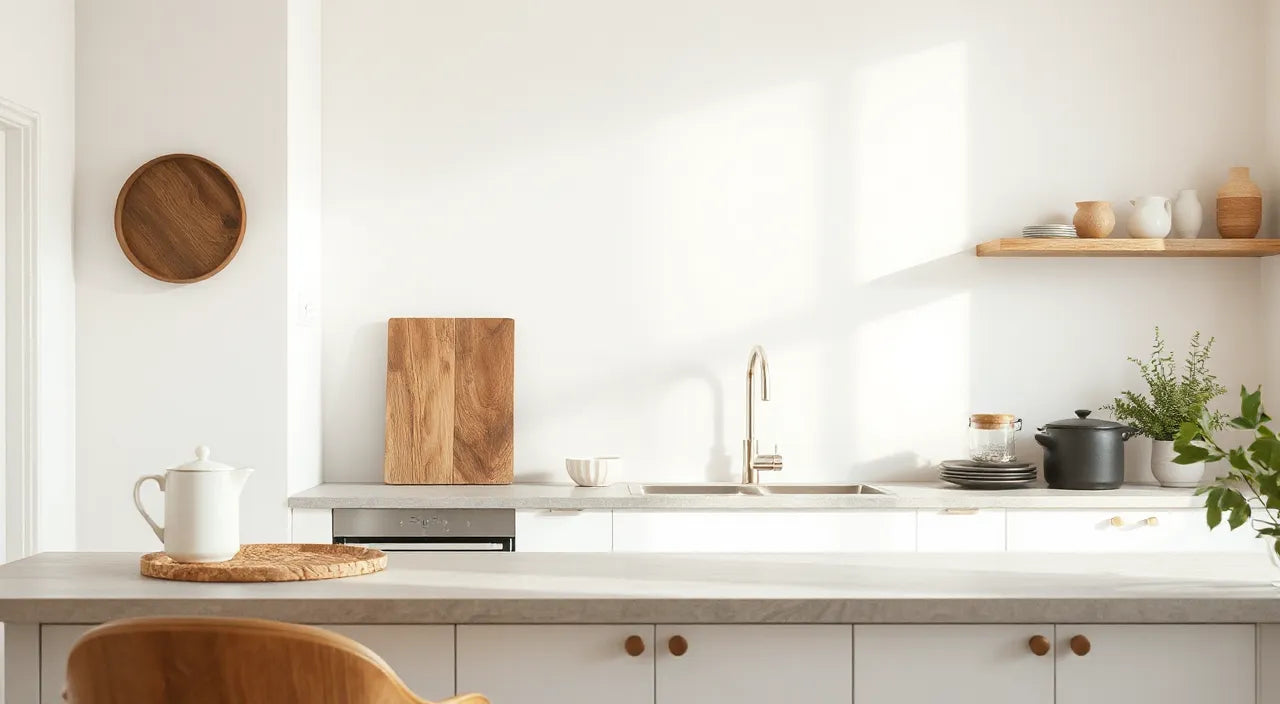
Warm kitchen scene cues: soft light, calm textures
Myths vs. Facts
Myth: A fashionable kitchen must be expensive
Fact: Visual impact depends more on cohesion than cost. You can achieve a high-end look by matching tones, repeating materials, and editing clutter. A few well-chosen pieces placed with spacing and balance often outperform large quantities of random items.
Myth: Open shelving always makes a kitchen look better
Fact: Open shelving can look polished when items are curated and visually consistent. If you use many different shapes, colors, or brands, the space can look busy. Use grouping rules and keep surfaces intentional, especially for frequently used items.
Myth: Lighting is only for visibility
Fact: Lighting is a design tool. The right brightness and direction influence how colors read during the evening. Layering ambient and accent light supports a comfortable atmosphere and enhances your kitchen decor choices.
Myth: Trends should be copied exactly
Fact: Trends are best used as inspiration. If you select elements that match your existing cabinetry, flooring, and wall color, the result will feel current while staying timeless.
How to Choose Fashionable Kitchen Decor
Start with the space you already have. Consider your cabinet color, backsplash tone, countertop finish, and the dominant metal in your hardware. Fashionable kitchen decor should complement these base elements rather than fight them. Then decide the “design direction” you want to reinforce. Common directions include modern minimal, warm rustic, coastal calm, and classic transitional.
Next, pick a primary palette. A dependable approach is to choose one main neutral, one secondary tone, and one accent. Neutrals keep the look cohesive. Secondary colors provide depth. An accent hue delivers personality. If you are unsure, sample your existing kitchen tones using a simple swatch method and observe them under both daylight and evening light.
When selecting decorative items, apply a proportion rule. Larger spaces can handle bolder patterns and larger-scale textures. Smaller kitchens benefit from lighter visual weight, such as streamlined forms and fewer high-contrast pieces. This is how you keep a kitchen stylish without making it feel crowded.
Finally, choose items that support daily use. The most successful decor is not only attractive; it also reduces friction. For example, decorative trays can organize oils, salts, or frequently used tools. Baskets can contain dish towels while looking intentional. These strategies connect beauty with function.
Color, Texture, and Material Strategy
Color planning is where fashionable kitchen decor becomes cohesive. If your kitchen has cool undertones, a warm accent may feel unbalanced. If your kitchen is naturally warm, cool accents can still work but need thoughtful coordination. A reliable method is to anchor your palette to the backsplash or countertop undertone. Then build outward with linens, accessories, and art.
Texture layering adds depth without requiring a larger decor budget. Combine smooth and matte finishes to create visual rhythm. For instance, pair ceramic pieces with woven textiles, or blend polished metals with natural wood elements. This combination looks layered rather than flat.
Material choice also affects maintenance and longevity. Select decor that tolerates kitchen conditions. Fabrics near the stove should be chosen carefully, and items in moisture-prone areas should be easy to wipe. Thoughtful material matching helps your decor look fresh longer.
If you want a single rule that improves almost any styling plan, use repetition. Repeat one material or one color tone in two or three zones. A kitchen often has multiple “micro-areas”: the dining corner, the sink zone, the countertop, and the wall space. Repetition across these zones ties them together.
Lighting and Layout for Visual Harmony
Even well-planned fashionable kitchen decor can look unfinished if the lighting is weak. Use a layered lighting mindset. Start with your overhead fixtures for general brightness. Then add task lighting for functional clarity at the sink and prep areas. Finally, add decorative illumination to create mood and guide the eye to design features.
Think about placement. Decorative light sources look best when they illuminate surfaces you already value, such as a tray, a backsplash focal point, or a curated shelf grouping. Avoid placing lights in a way that creates glare on glass or reflective countertops. Instead, aim for soft distribution and balanced shadows.
Night lighting can be especially helpful for early mornings and late evening routines. A compact, warm light can reduce harsh overhead glare. When the glow matches your kitchen palette, it becomes part of the decor rather than an afterthought.
For a themed approach that stays subtle, choose a design motif that reflects your lifestyle. Natural themes, animal-inspired forms, or calm symbolic patterns can complement kitchen serenity. The goal is to align motif style with your broader design direction.
Functional Details That Feel Decorative
Decorative items should support routine. This is a core principle of fashionable kitchen decor. When your kitchen accessories also solve a small problem, you benefit daily. Trays can consolidate small bottles. Canisters can keep pantry ingredients organized and visually consistent. Magnetic holders can reduce countertop clutter while supporting a clean look.
Another strategy is to use “closed storage” thoughtfully. Cabinets are not the enemy of decor. If you keep cabinet interiors organized and use consistent labels on bins, your kitchen can look calm even when you store frequently used items. The surfaces that are visible during normal use should reflect the same style language.
Consider seasonal flexibility. If your kitchen decor includes removable items, you can adjust the look without replacing everything. A seasonal capsule can be updated with a few changes in textiles, color accents, and wall styling.
If you want a quick internal style reference to help you think about how to build a cohesive look with practical decor, you may find this helpful: Mastering Affordable Decor Options for a Stylish Home. Use it as inspiration for editing and selection, then apply the method to your kitchen zones.
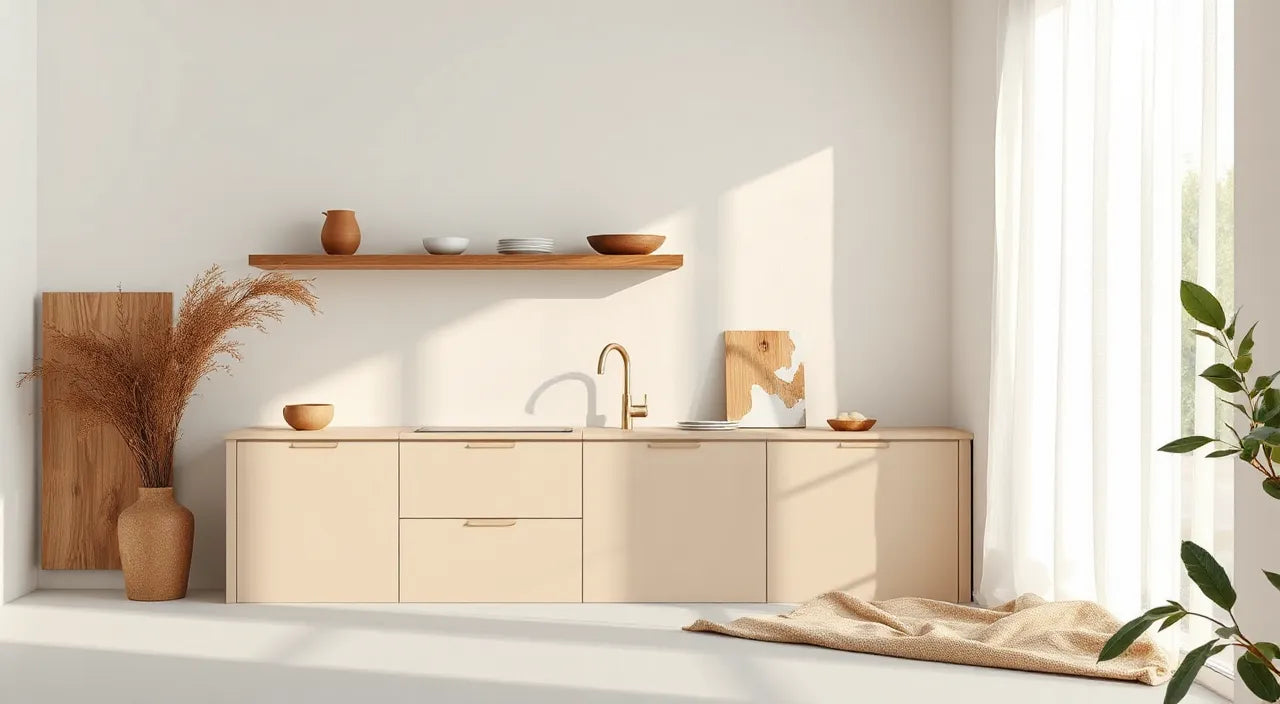
Seasonal kitchen mood board: warm textiles, clean lines
A Seasonal Styling Capsule
Fashionable kitchen decor should not require constant replacement. Instead, build a capsule that you can refresh. A capsule approach works because you keep the foundation stable while changing accent elements. Begin with items that do not go out of style: neutral textiles, timeless storage containers, and simple wall art frames. Then layer seasonal changes through lighter accessories.
For spring and summer, consider brighter neutrals and airy textures. Swap heavier towels for lighter fabrics. Add accent colors that reflect your pantry staples or produce tones. Keep the changes consistent with your backsplash and countertop palette to avoid visual conflict.
For autumn and winter, lean into warmer textures. Choose colors that feel comforting and grounded. You can incorporate deeper tones through linens, decorative trays, or seasonal centerpiece styling. Maintain the same structural layout so the kitchen still looks intentional even as the decor mood changes.
When you update decor seasonally, keep editing consistent. Remove items that no longer match. A small kitchen benefits most from restraint. If you keep everything out year-round, the space loses the effect of a designed look. With a capsule approach, your kitchen reclaims a “freshly styled” feel each time you update.
Frequently Asked Questions
What are the most versatile decor styles for kitchens?
The most versatile styles are those that match real materials found in kitchens, such as wood, stone-like finishes, metal hardware, and simple neutrals. Classic transitional and modern warm minimal styles tend to remain appealing because they balance clean lines with inviting textures.
How many decor pieces should I display on countertops?
There is no universal number, but a practical guideline is to limit countertop decor to what supports daily use and can be grouped into one or two tidy zones. If the items interfere with prep space or sink cleaning routines, reduce the quantity and increase the organization.
How can I make my kitchen look more upscale?
Upgrade the perceived quality by improving visual cohesion. Repeat tones and materials across zones, keep hardware finishes consistent, and add one or two accent focal points. Lighting quality also strongly influences how premium a space feels.
Is it acceptable to mix patterns in kitchen decor?
Yes, but use a controlled method. Choose a dominant pattern, keep the second pattern in a compatible color family, and limit the number of pattern-heavy items. If you are uncertain, start by mixing one patterned textile with plain surfaces to preserve clarity.
Final Recommendations
To create fashionable kitchen decor that lasts, focus on cohesion first. Choose a palette based on existing tones. Layer textures to add depth. Use lighting to shape mood and highlight key surfaces. Then ensure your decor supports routine by selecting organizers, trays, and accessories that help maintain order.
Keep the design direction consistent across the kitchen. Use repetition to connect the sink zone, countertop, and open shelving. If you refresh seasonally, do it through accents rather than replacing the foundation. This approach produces a stable look with a refreshed feel.
Finally, remember that decor should feel like it belongs. If an item looks impressive but does not fit your layout, storage needs, or lighting conditions, it will disrupt the overall harmony. Select fewer items, place them with intention, and let the kitchen’s base materials do part of the styling work.
For readers interested in decorative lighting that can support evening atmosphere, explore options within decorative night lights for small, design-forward accents that integrate into kitchen aesthetics.
Q&A Section
How do I prevent a kitchen from looking cluttered when styling?
Use grouping and spacing. Cluster items on trays or within defined zones, and remove duplicates. Keep your highest-visibility surfaces aligned with your palette, and store anything that does not contribute to either function or the overall design direction.
What is the best way to coordinate decor with kitchen hardware?
Decide whether your hardware reads warm or cool. Then match accent finishes to it, especially in frequently seen areas such as handles, faucet details, and lighting fixtures. If you change finishes, do it deliberately by selecting one dominant finish and limiting contrast.
Can fashionable kitchen decor work in a small kitchen?
Yes. Small kitchens benefit from lighter visual weight, fewer but better-chosen items, and vertical organization. Focus on wall accents, streamlined containers, and controlled countertop groupings. Proper lighting and mirror-like reflective touches can also make the space feel more open.
About the Author
Cassandras Shop
Cassandras Shop works with an eye for practical aesthetics and kitchen-friendly styling. The team focuses on how decor supports everyday use, comfort, and visual cohesion. From palette planning to placement strategy, expertise is applied to help your home look intentional. Thank you for reading, and we invite you to style with clarity and confidence.
The content in this blog post is intended for general information purposes only. It should not be considered as professional, medical, or legal advice. For specific guidance related to your situation, please consult a qualified professional. The store does not assume responsibility for any decisions made based on this information.