

Fashion-Forward Throw Options to Elevate Any Room
Cassandras ShopUpdated on: 2026-10-26
Choosing fashion-forward throw options can transform a living space without requiring a full redesign. The right throw adds color, texture, and comfort while reflecting your personal style. Modern designs also support practical needs, such as easy care and year-round layering. This guide explains how to select throws that look current, feel right, and fit your home.
Introduction
Fashion-forward throw options are no longer limited to seasonal trends. Today, throws function as design tools that balance comfort with visual impact. A well-chosen throw can brighten a neutral sofa, soften hard lines in a modern room, and add layered warmth during cooler months. At the same time, thoughtful styling avoids clutter and helps your space look intentional rather than improvised.
The goal is simple: select a throw that complements your decor and improves daily living. When you understand materials, pattern scale, and practical care, the process becomes straightforward. You can even coordinate your throw with other accents such as cushions, curtains, or lighting to create a cohesive look.
Myths vs. Facts
- Myth: Throws are only decorative. Fact: The best throws provide real comfort through warmth, softness, and usable texture.
- Myth: Bold patterns always overpower a room. Fact: Scale and placement matter; a single statement throw can anchor a space.
- Myth: Trendy designs are hard to maintain. Fact: Quality construction and care instructions determine longevity more than appearance.
- Myth: One size fits all. Fact: Correct measurements improve drape, reduce bunching, and create a polished finish.
- Myth: You must match every item exactly. Fact: Color harmony and shared texture often look more sophisticated than perfect duplication.
Personal Experience
I once treated throws as an afterthought, placing whatever was available at the time on the edge of a sofa. The room looked unfinished because the throw did not relate to the color palette or the texture of surrounding elements. After replacing it with a design that matched the room’s undertones and using a consistent drape style, the space changed noticeably. The throw did not dominate the decor; it aligned everything.
That experience reinforced a key principle: a throw works best when it supports the room’s design logic. Even a subtle update can create a stronger sense of coherence, especially when you choose an updated pattern, refined texture, and the right size.
Design Essentials for Fashion-Forward Throws
Fashion-forward throws read as modern when they follow design fundamentals. Start with proportion: a throw should appear balanced relative to your sofa or bed. Next, consider texture as a design driver. Visual interest can come from weave structure, subtle embossing, or clean knit patterns rather than relying only on color and prints.
Finally, evaluate how the throw integrates with your existing palette. If your room uses warm neutrals, select a throw with compatible undertones. If your room has cool grays and crisp whites, choose fabrics that maintain that tone. This approach produces a current look without requiring a full style overhaul.
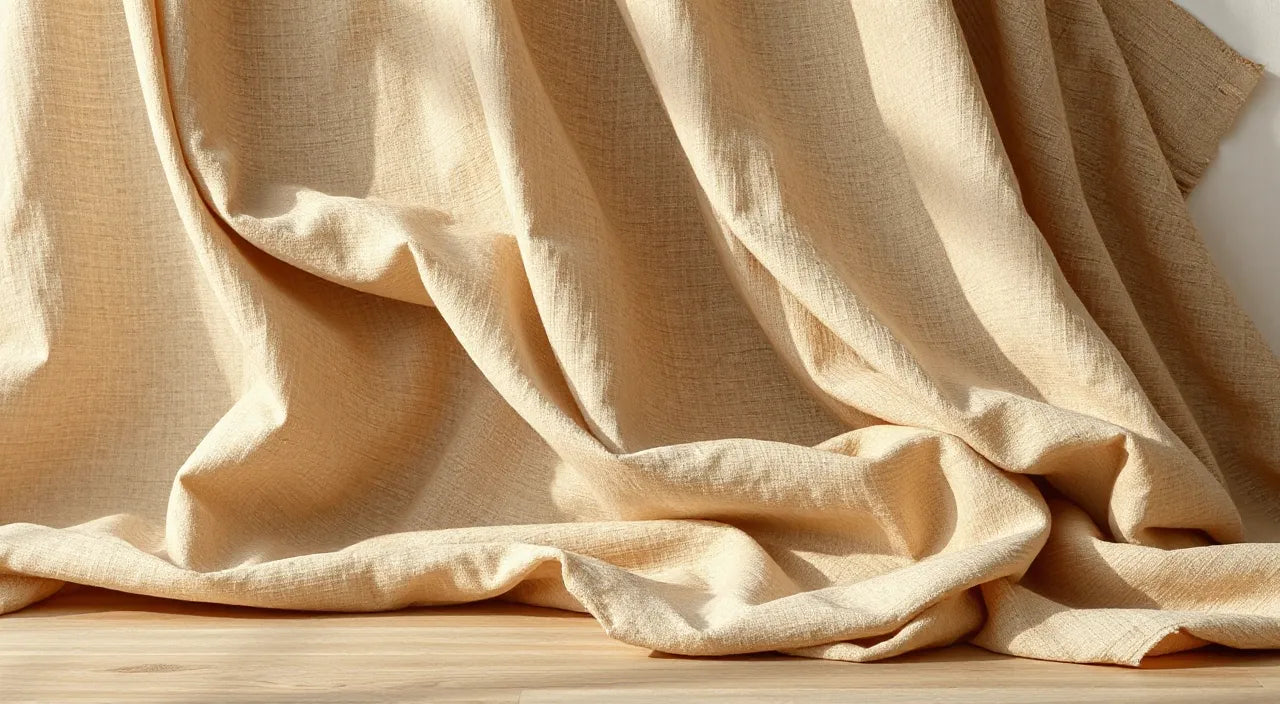
Textured fabric, balanced drape, and modern room tones
Materials and Texture: How to Choose
Material selection strongly affects appearance, comfort, and maintenance. For a fashion-forward look, prioritize texture clarity and consistent fiber quality. A throw that holds its shape looks more intentional, even when styled casually.
Consider these practical guidelines:
- Knit and woven textures: Choose designs that display definition rather than fuzzing. Tight weaves and structured knits typically look sharper.
- Soft, drapable blends: For lounge areas, look for materials that fall smoothly over seating without stiff edges.
- Low-pile surfaces: In high-use spaces, low-pile fabrics often resist snagging and keep a clean visual line.
- Breathable options: For year-round use, select materials that do not trap heat excessively while still providing cozy comfort.
If you want to refresh your space in a subtle way, choose one upgrade: either a richer texture or a more modern color direction. Two changes at once can be effective, but one clear focus often produces a more refined result.
Color and Pattern Strategy for Modern Rooms
Color is where fashion-forward style becomes visible. However, modern design favors intentional choices over random mixing. A helpful strategy is to anchor your throw in one of three ways: match the dominant neutral, echo a secondary accent color, or pick a pattern that includes multiple tones already present.
For patterns, focus on scale. Large-scale motifs can create impact on wide seating, while smaller repeating patterns suit compact spaces or layered arrangements. A simple rule is to keep the pattern in proportion to the furniture. If your sofa has strong lines, a softer pattern can add balance. If your room feels too plain, a bolder print can add depth.
Texture and color should work together. For example, a muted palette gains sophistication when paired with a pronounced weave. A bright color reads more modern when the fabric has a clean, structured finish.
Size and Styling Rules That Work
Correct sizing elevates the look. A throw that is too small tends to bunch and shifts out of place. A throw that is too large can overwhelm the furniture. Start with your main surface, then apply consistent placement.
- Sofa styling: Drape the throw over the arm or backrest so it shows a clear edge and a smooth fall. Avoid folding it into a thick block.
- Bed styling: Place a throw at the foot for a layered, hotel-inspired appearance. For everyday use, keep the top layer easy to move.
- Layering order: Use the throw as a mid-layer between decorative cushions and the main bedding or upholstery.
For a modern look, avoid excessive stacking. Keep the styling deliberate: one throw, one or two accent tones, and a consistent drape angle. That restraint often reads more fashionable than a busy combination of multiple blankets.
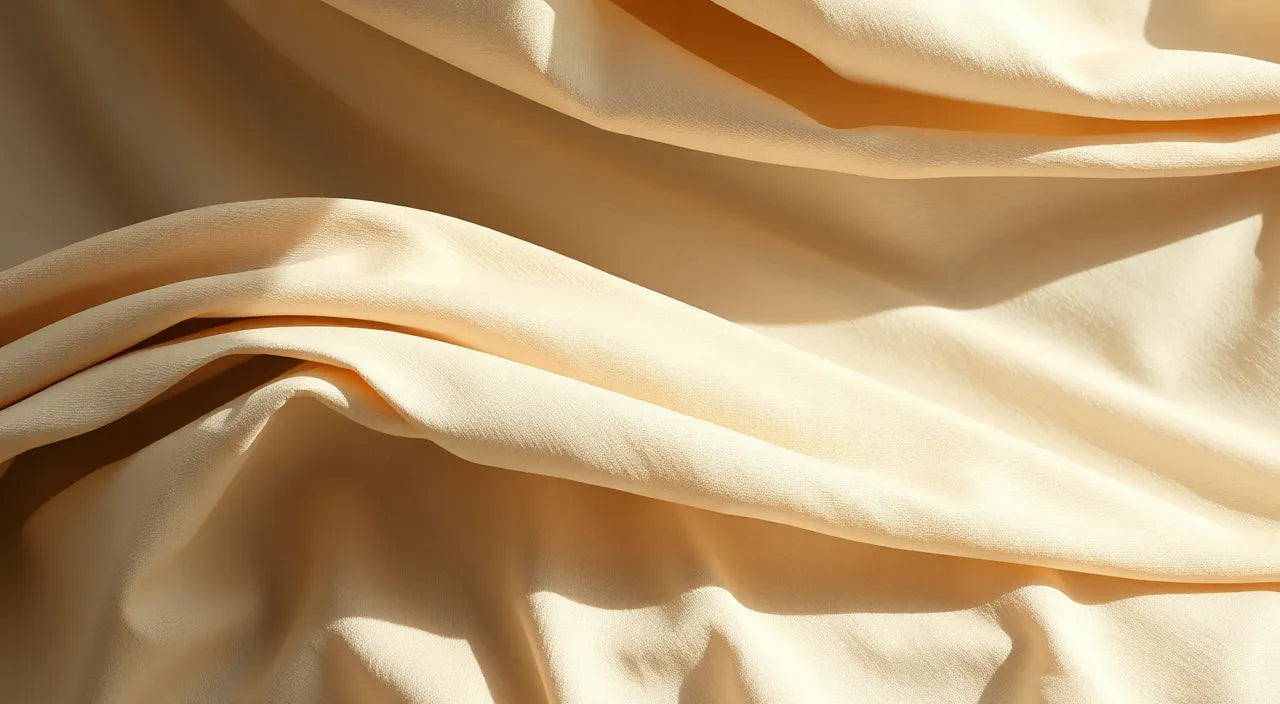
Layered drape with measured proportions and calm neutrals
Care and Longevity: Keeping the Look Fresh
Even the most fashion-forward throw can look worn if care is neglected. Treat fabric preservation as part of style maintenance. Follow the care label first, then use practical routines to reduce pilling and fading.
Consider these evergreen care habits:
- Regular air-out: Let the throw rest in open air occasionally to reduce odors and refresh fibers.
- Gentle cleaning schedule: Spot clean small areas promptly and plan deeper cleaning only when needed.
- Wash with attention: Use appropriate water temperature and avoid harsh detergents that can break down fibers.
- Protect from friction: Reduce rubbing against rough surfaces, especially in frequently used spaces.
If you treat the throw as both decor and textile, it will maintain its shape and visual clarity longer. A consistent care approach helps your room look current because the throw continues to read clean, soft, and well styled.
Buying Checklist Before You Choose
Use this checklist to select fashion-forward throw options with confidence:
- Compatibility: Confirm the color undertone matches your room.
- Texture definition: Check how the weave or knit appears in natural light.
- Pattern scale: Choose a motif size that fits your furniture and wall space.
- Drape quality: Look for a fabric that falls naturally without heavy stiffness.
- Care practicality: Ensure the fabric can be cleaned in your routine.
- Size fit: Measure your sofa arm, backrest, or bed foot area before deciding.
When you want a balanced, lifestyle-friendly accent, consider tying your throw theme to your lighting and small decor. For example, you can explore complementary ambiance through koi-inspired night lighting that pairs well with calm, modern living rooms.
For additional inspiration on coordinated home details, you may also review ideas from Model RailScapes, where thoughtful design and styling principles often translate into real interior settings.
Final Thoughts & Takeaways
Fashion-forward throws succeed when they support design fundamentals: proportion, texture, and color harmony. Choose materials that maintain definition, then style with restraint so the throw enhances the room rather than competing with it. With the right size and drape, even a single update can make a space feel more current and more comfortable.
If you approach selection like a design decision instead of a quick purchase, the result is both visually modern and practically satisfying. Keep care routines simple but consistent, and your throw will remain a reliable part of your everyday styling.
Q&A
How do I make a throw look modern instead of dated?
Select updated colors and current texture clarity. Use correct drape placement and avoid overly thick folding that creates a bulky look. When possible, coordinate undertones with your existing decor and limit the pattern to one strong element.
What is the best throw size for a sofa?
A commonly flattering approach is to choose a size that reaches from the seating surface to the arm with enough length for a smooth edge. When in doubt, measure the width of the sofa and plan for a drape that shows full coverage without excessive pooling.
Can I use fashion-forward throw options year-round?
How can I prevent pilling on textured throws?
Reduce friction by avoiding rough contact surfaces and minimize frequent dragging. Use gentle cleaning methods and follow the care label. When drying, avoid high heat settings that can stress fibers.
About the Author
Cassandras Shop is a home styling resource focused on practical design choices, textile selection, and visually cohesive living spaces. The author brings expertise in interior aesthetics and product-aware guidance, helping readers choose accents that combine comfort with modern appearance. The goal is to make styling decisions feel confident and repeatable. Thank you for reading.
The content in this blog post is intended for general information purposes only. It should not be considered as professional, medical, or legal advice. For specific guidance related to your situation, please consult a qualified professional. The store does not assume responsibility for any decisions made based on this information.


