Eco-Friendly Cooking Gear: Smart Picks for Any Kitchen
Cassandras ShopUpdated on: 2026-07-17
Eco-friendly cooking gear helps you reduce waste, conserve resources, and support healthier kitchen routines. Choosing the right materials can also improve long-term durability and reduce replacements. With practical habits, you can lower your overall footprint without sacrificing performance. This guide explains myths, selection criteria, and a step-by-step approach for building a more sustainable cookware setup.
Myths vs. Facts | Step-by-Step Guide | How to Choose Sustainable Materials | Care and Maintenance for Longevity | Frequently Asked Questions | Summary & Key Takeaways | Q&A
Myths vs. Facts
-
Myth: Eco-friendly cooking gear always costs more.
Fact: Upfront pricing can be higher for some premium materials, but total cost often improves through durability and fewer replacements.
-
Myth: Natural materials are always automatically safe and non-reactive.
Fact: Reactivity depends on the material and coating, as well as heat levels and cooking style. Verified performance specs matter.
-
Myth: Switching to sustainable cookware instantly makes your diet healthier.
Fact: Food quality depends on ingredients and cooking methods. However, better materials and coatings can reduce avoidable concerns and improve consistency.
-
Myth: Green cookware means zero waste, all the time.
Fact: Waste reduction is a system. It includes portioning, storage choices, energy use, and proper care.
Step-by-Step Guide
-
Inventory what you already own. List items by material type and condition. Keep what is functional and stop replacing faster than necessary.
-
Set sustainability priorities. Decide what matters most: lower waste, reduced energy use, longer lifespan, or safer material standards.
-
Choose a “core set” for daily cooking. Focus on versatile pieces that cover most meals, such as a multi-purpose pan and a reliable pot.
-
Match materials to your cooking style. High-heat searing, simmering, and baking require different performance traits. Align selection with your habits.
-
Verify certifications and build quality. Look for clear manufacturing information, responsible material sourcing, and quality control.
-
Adopt care routines immediately. Gentle cleaning, correct heat settings, and storage practices extend product life and reduce waste.
-
Track results over time. Monitor replacements, breakage, and energy use. Sustainable choices become clearer as you gather data.
How to Choose Sustainable Materials
Eco-friendly cooking gear is not one single category. It is a set of material and design decisions that influence durability, recyclability, and environmental impact across the product life cycle. When evaluating cookware and accessories, focus on the practical characteristics that affect everyday performance.
1) Look for long-term durability
Durability is one of the most influential drivers of sustainability. A piece that lasts for years reduces the need for frequent manufacturing and shipping. When assessing a product, prioritize solid construction, stable handles, and reliable surface integrity after repeated heating.
2) Understand coating and surface behavior
Many modern cooking surfaces rely on coatings to improve nonstick performance. Even when a coating is marketed as “green,” what matters is heat tolerance, wear resistance, and ease of cleaning. For high-heat cooking, avoid choices that are not designed for direct searing or rapid temperature changes.
3) Evaluate material sourcing and recyclability
Materials differ in how they can be recovered at end of life. Stainless steel and cast iron are often recyclable, while certain composite materials may have limited recycling paths. Bamboo and plant-based components can also be renewable, but they vary widely in processing quality and lifespan.
4) Consider “repairability” and replacement parts
Repairable designs reduce waste. Handles, lids, and accessory components that can be replaced extend the useful life of the base item. This is a key advantage for long-term kitchen planning.
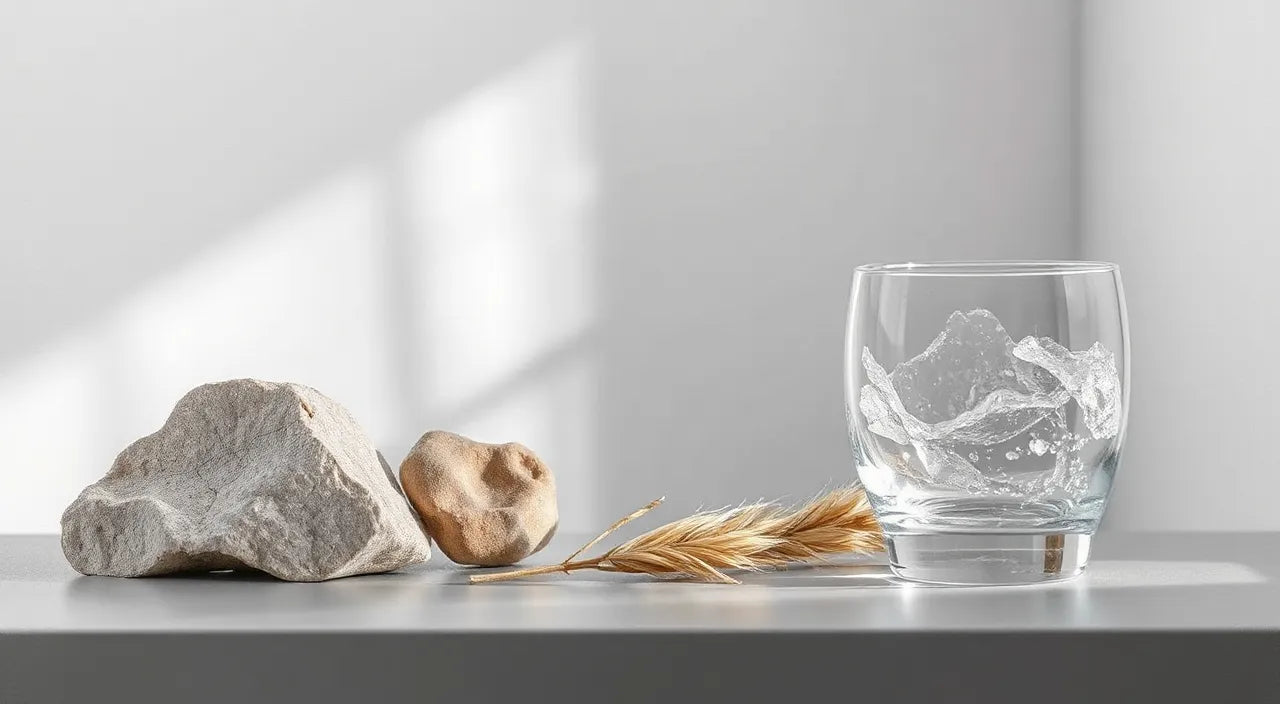
Materials comparison: steel, iron, plant fibers, glass
5) Choose energy-smart cooking behavior
Eco-friendly cooking gear can be more effective when paired with energy-conscious habits. For example, using a lid can reduce simmer time. Preheating briefly and using the correct burner size also prevents wasted heat. These choices help reduce fuel demand while improving cooking consistency.
Practical material pairings for common tasks
-
Simmering and sauces: Look for stable heat distribution and easy cleaning surfaces.
-
Searing and browning: Prioritize materials that tolerate higher heat and avoid premature surface degradation.
-
Gentle cooking and baking: Choose items with predictable thermal behavior and safe handling at higher oven temperatures.
-
Food storage and serving accessories: Use durable, reusable options that match the temperatures you intend to use.
If you are comparing options and want a simple framework, focus on three criteria: lifespan, compatibility with your cooking temperatures, and clarity of manufacturing standards. This approach prevents greenwashing and supports better long-term decisions.
Care and Maintenance for Longevity
Even the best eco-friendly cooking gear performs best with consistent care. Proper maintenance reduces surface wear, supports safety, and delays replacement. It also helps you maintain cooking performance, such as even heat distribution and reliable release.
Clean with the least aggressive method
Start with warm water, a soft sponge, and gentle detergents. For stuck-on residue, soak the cookware before scrubbing. Excessive abrasives can damage surfaces and reduce performance over time. If you use a nonstick or coated surface, avoid metal tools and harsh scrapers unless the manufacturer explicitly allows them.
Use correct heat levels and gradual temperature changes
Rapid temperature shifts can stress materials. For items designed for higher heat, follow guidance on maximum temperatures and recommended heating patterns. For others, cook on moderate settings and allow preheating time so the surface reaches stability gradually.
Choose the right utensils
Wood, silicone, or other non-scratch utensil materials can protect surfaces. Metal utensils may be suitable for some uncoated items, but a consistent rule is to use tools that match the cookware’s surface type. This small choice can prevent micro-scratches that lead to early wear.
Dry thoroughly and store thoughtfully
Moisture can contribute to corrosion and odors, especially with cast iron components or certain metal alloys. Dry completely and store with appropriate separation where needed. For stacked cookware, use protective liners designed for heat-safe storage.
Refurbish when possible
Some materials benefit from seasoning or reconditioning steps when the manufacturer recommends them. If a piece becomes less effective over time, evaluate whether refurbishment is appropriate before replacing it. This is one of the strongest waste-reduction strategies available to home cooks.
To complement a sustainable kitchen approach, consider how you manage other home routines that influence material use. For example, thoughtful design choices can also reduce replacement frequency in everyday items; you can see an example of that mindset in Smart design picks for customizable leather dog collars. While this is a different category, the core principle is the same: durable construction and practical maintenance.
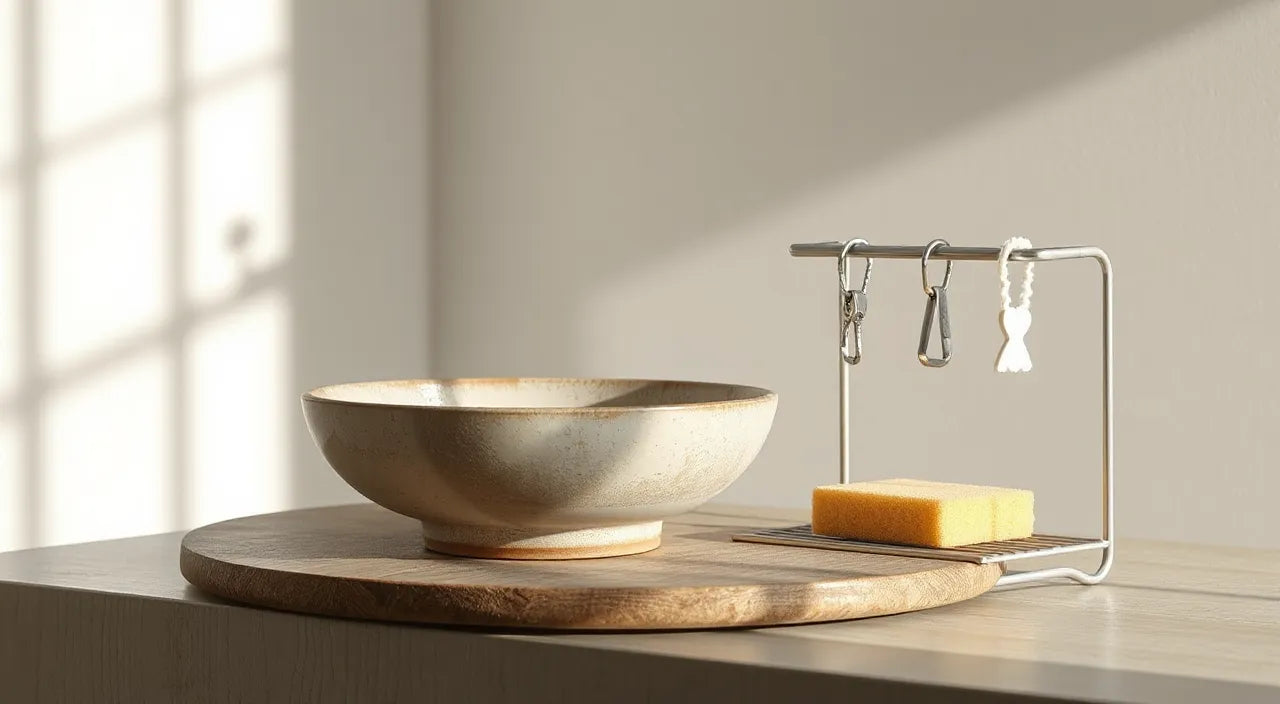
Care routine visuals: soaking bowl, gentle sponge, air-dry rack
Common care mistakes to avoid
-
Overheating for long periods: This increases surface wear and energy use.
-
Using harsh scrubbers: Abrasive cleaning can reduce nonstick performance and surface integrity.
-
Skipping manufacturer guidance: Surface materials and coatings are not interchangeable across brands and product lines.
-
Improper storage: Stacking without protection can scratch surfaces and trap moisture.
Frequently Asked Questions
Is eco-friendly cookware safe for everyday cooking?
Eco-friendly options can be safe when they are used as intended and maintained properly. Always follow temperature guidance, utensil recommendations, and cleaning instructions provided by the manufacturer.
What is the most sustainable option for nonstick cooking?
The most sustainable choice is often the one that lasts the longest and performs consistently under your typical temperatures. If a nonstick surface is part of your routine, select a product with clear heat tolerance and treat it gently to extend lifespan.
How do I reduce waste beyond cookware?
Waste reduction is a whole-kitchen approach. Use reusable storage containers, plan portions to minimize leftovers discarded, and optimize energy use with lids and properly sized burners. These habits multiply the impact of your eco-friendly kitchen upgrades.
Summary & Key Takeaways
Eco-friendly cooking gear supports a more responsible kitchen by emphasizing durability, compatible materials, and thoughtful maintenance. By selecting items that fit your cooking temperatures and adopting care routines that protect surfaces, you can reduce waste and avoid frequent replacements. Start with a core set, confirm material and quality details, and refine your approach as you learn what performs best for your household.
For readers building a calmer, more considered home setup, you may also appreciate how functional design extends usability across categories. Explore related options on Cassandras Shop to support a lifestyle that values practical, long-lasting choices.
Q&A Section
How can I tell whether a product is truly eco-conscious?
Focus on verifiable details: clear material composition, transparent sourcing claims, realistic usage guidance, and evidence of durability such as consistent performance over time. Avoid vague marketing terms and prioritize information that affects real kitchen use.
Will switching to eco-friendly cooking gear reduce my kitchen energy costs?
It can contribute indirectly. Efficient cookware design may help with heat retention and more stable temperature control, but energy savings also depend on cooking behavior. Using lids, selecting the correct burner size, and minimizing preheat time usually provide the most measurable improvements.
What is a realistic timeline for replacing cookware?
There is no single universal timeline because lifespan depends on material, care, and cooking habits. With proper use, durable cookware can last for many years. Replace only when performance drops due to wear, damage, or safety-related surface degradation.
About the Author
Cassandras Shop
Cassandras Shop focuses on everyday lifestyle guidance with an emphasis on practical, home-ready choices. With expertise in curating consumer-friendly products and sustainable-thinking routines, the team supports readers in selecting items that last and feel purposeful. Thank you for reading; thoughtful upgrades can be simple, and consistency matters.
Disclaimer: This article is for general informational purposes only and does not constitute professional advice. Product performance and safety depend on material composition, manufacturing standards, and correct use. Always consult manufacturer instructions for your specific cookware and accessories.
The content in this blog post is intended for general information purposes only. It should not be considered as professional, medical, or legal advice. For specific guidance related to your situation, please consult a qualified professional. The store does not assume responsibility for any decisions made based on this information.