

Eco-Friendly Candles: Clean Scents for Everyday Homes
Cassandras ShopUpdated on: 2026-11-07
Eco-friendly candles can improve the look and feel of a space while reducing common environmental drawbacks. The most important benefits come from responsibly sourced wax, cleaner-burning wicks, and transparent ingredient standards. When you choose well, you also support healthier indoor air and more consistent burn performance. Use practical guidance to evaluate labels, select the right size, and maintain proper burning habits for better results.
Eco-friendly candles: a more responsible way to set the mood
Eco-friendly candles bring warmth, ambiance, and scent control into daily life without relying on the most harmful materials. In a market filled with vague claims, a careful selection process matters. The goal is not perfection. The goal is to make better choices based on wax sourcing, wick design, fragrance transparency, and burn quality.
When you understand what drives cleaner performance, you can shop with confidence. You can also avoid common problems like poor scent throw, fast tunneling, or sooting. This article explains how to evaluate eco-friendly candles and how to use them for a steady, satisfying burn.
Product Spotlight: What “good” looks like in eco-friendly candle design
Many shoppers want a candle that looks premium and burns evenly. For eco-friendly candles, the strongest indicator is the overall build: the wax base, the wick material, and the fragrance approach. A well-designed candle typically uses a plant-derived wax and a wick intended for consistent airflow. It should also provide clear information about ingredients or at least credible documentation of fragrance and materials.
One effective way to evaluate quality is to look for a candle that offers:
Responsibly sourced wax with a clean, stable melt pool.
Wick materials suited to the wax so the flame stays steady and soot stays minimal.
Transparent scent practices, including responsible fragrance choices and avoidance of overly vague labeling.
Repeatable performance, meaning it does not require constant trimming or frequent reruns to behave correctly.
If you are building a home routine around eco-friendly candle use, these factors matter more than marketing language. The best experience comes when the candle is engineered to burn efficiently from the first lighting to the last.

Clean airflow cues: wax, wick, and steady flame visuals
Step-by-Step How-To: Choose and use eco-friendly candles
Use this process when you shop, and again when you prepare your candle for burning. The steps are practical, repeatable, and designed to improve both safety and performance.
Start with the wax base. Look for plant-derived or responsibly sourced waxes. The wax type influences burn rate and the consistency of the melt pool.
Check the wick specification. Prefer wicks designed for the candle’s wax type. A matched wick helps reduce excessive smoke and keeps the flame stable.
Review fragrance transparency. Choose candles that clearly describe their scent approach. If the label is vague, treat it as a decision risk.
Evaluate container and closure. A well-constructed container supports even heat distribution. If the product includes lids or protective packaging, it can also help preserve scent and reduce dust exposure.
Choose the right size for the room. A small space does not need an oversized candle. Proper sizing improves scent balance and prevents an overly fast burn.
Perform a proper first burn. Let the melt pool reach near the container edges during the first session. This helps prevent tunneling.
Trim the wick before lighting. Keep the wick at a safe, controlled length to support a clean flame and reduce soot risk.
Allow full cool-down between uses. Wait for the wax to fully solidify. This protects the container and helps the candle maintain structural integrity.
Monitor airflow and placement. Keep the candle away from drafts. Air movement can destabilize the flame and lead to uneven burning.
When you follow these steps, eco-friendly candles become more predictable. You receive better scent distribution, less waste, and a more consistent sensory experience across multiple burn sessions.
What to look for when you compare options
Shoppers often compare candles by scent intensity alone. For eco-friendly candles, you should also compare build details. A candle that burns cleanly usually provides a smoother melt pool and less residue. If you notice heavy soot, a flickering flame, or strong odor that feels harsh, consider switching to a different wax and wick combination.
Personal Experience: When “clean burn” became the deciding factor
I used to select candles primarily based on aroma. I favored strong, fast-filling scents and did not pay close attention to what happened after lighting. After a few purchases, I noticed a pattern. Some candles produced a smoky smell near the wick, and the wax tunneled early. That meant less usable wax and more frequent replacements.
Once I shifted my focus to eco-friendly candles with clearer material choices, the entire routine improved. The melt pool became more even. The flame stayed steady. The scent felt smoother rather than overpowering. The most important change was not only what I smelled, but how the candle behaved over time.
That experience taught me a simple principle: a cleaner burn is an experience quality signal. It reflects the underlying materials and design choices. When those elements align, the candle becomes a calmer and more dependable part of the home atmosphere.
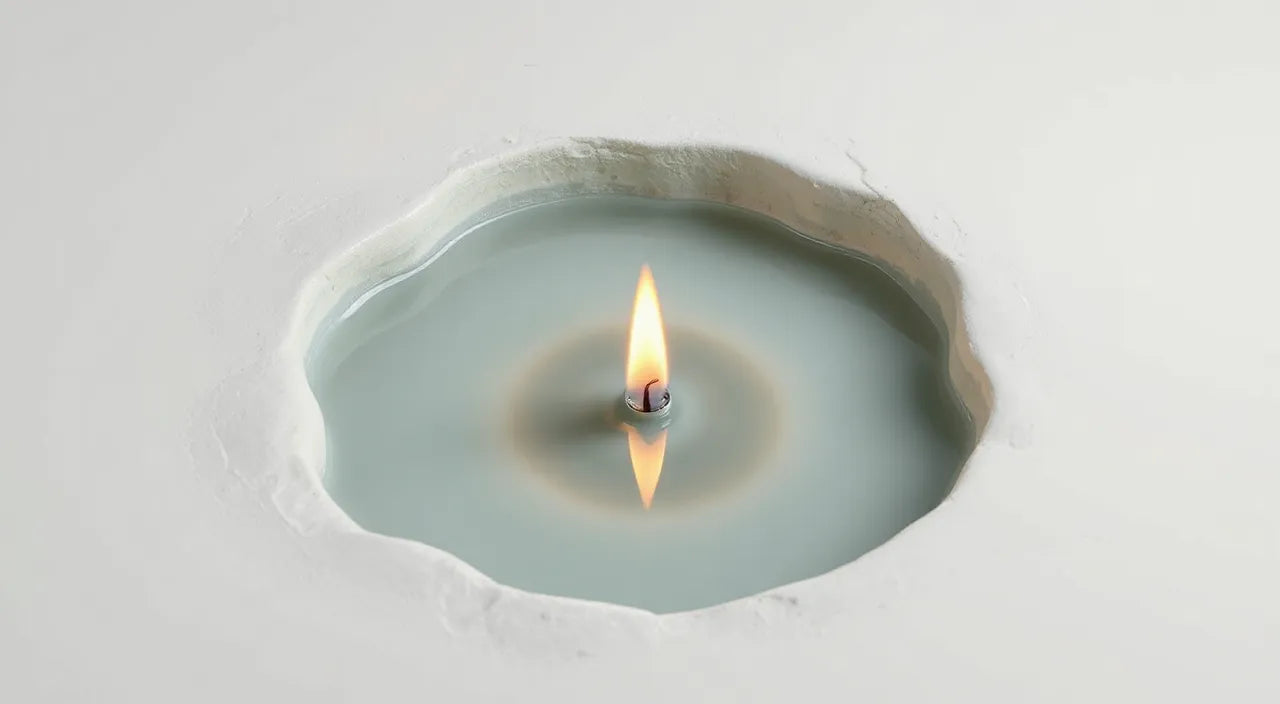
Even melt pool: gradual ring, trimmed wick, calm flame
Summary & Recommendations: Make your next candle choice with confidence
Eco-friendly candles can be a practical upgrade when you prioritize real-world performance. The key benefits often come from responsibly sourced waxes, wicks matched to the wax, and fragrance choices that are not hidden behind vague wording. When these elements work together, you tend to get a more even melt pool, fewer burn issues, and a more comfortable atmosphere.
Before purchasing, apply a quick checklist:
Confirm the wax type and ensure it aligns with your expected burn time.
Look for wick details that suggest a matched design for cleaner burning.
Prefer fragrance information that is specific enough to support informed selection.
Choose a container size that fits your room so the scent stays balanced.
For shoppers who also enjoy thoughtful home lighting, consider pairing your candle ritual with a stable, decorative light source that enhances ambience without requiring open flame. You can explore indoor mood options at Koi Fish Ceramic Night Light to complement evening routines.
To extend the value of your purchase, handle each burn session deliberately. Trim the wick, avoid drafts, and allow full cool-down. These habits reduce waste and help your eco-friendly candles deliver consistent results.
Q&A Section
Are eco-friendly candles always scent-free?
No. Eco-friendly candles can be scented while still being designed with responsible materials and clearer fragrance practices. The best approach is to select candles with transparent ingredient information and to choose scent strength that matches your room size. If you are sensitive to fragrance, start with lighter scents and burn for shorter sessions to assess comfort.
What causes tunneling in eco-friendly candles?
Tunneling usually happens when the melt pool does not reach the container edges during the first burn. It can also occur when the candle is too large for the space, placed in drafts, or repeatedly interrupted before the wax surface fully warms. A proper first burn and careful placement typically reduce tunneling and improve total wax utilization.
How can I reduce soot or smoky odor when burning candles?
Soot and smoky odor often indicate an unstable flame, an unmatched wick, or draft exposure. Trim the wick before lighting, keep the candle away from airflow sources, and avoid burning for extended periods beyond what the candle can support comfortably. If residue is frequent, consider switching to a candle that provides clearer wick and wax pairing information.
How long should I burn a candle per session?
Burn time per session depends on candle size and room airflow. A practical rule is to burn until the melt pool has formed across most of the surface you can reach safely, then extinguish before the wax level drops excessively. Frequent, short burns tend to increase tunneling risk, while overly long sessions can strain the flame and container. Follow the product guidance when available.
About the Author
Cassandras Shop is a home ambiance and product selection specialist focused on practical guidance for modern living. The author team brings expertise in candle care, material evaluation, and atmosphere design for everyday routines. With a customer-first approach, they help readers choose products that align with better standards and reliable performance. Thank you for reading, and enjoy creating a more intentional home environment.
Disclaimer: This article provides general educational guidance on selecting and using candles. Always follow the manufacturer instructions and practice safe burning habits, including keeping candles away from flammable materials and out of reach of children and pets.
The content in this blog post is intended for general information purposes only. It should not be considered as professional, medical, or legal advice. For specific guidance related to your situation, please consult a qualified professional. The store does not assume responsibility for any decisions made based on this information.


