Discover Artistic Light Features to Elevate Your Home Ambience
Cassandras ShopUpdated on: March 14, 2026
Artistic light features transform interior spaces by combining functionality with aesthetic appeal. These decorative lighting solutions enhance ambiance, create focal points, and add personality to any room. Whether you seek subtle elegance or bold statement pieces, understanding how to select and implement artistic lighting elevates your home design significantly. This guide explores essential considerations, practical applications, and expert recommendations for choosing the right pieces for your space.
Table of Contents
- Myths vs. Facts About Decorative Lighting Solutions
- Step-by-Step Guide to Selecting Artistic Light Features
- Frequently Asked Questions
- Additional Questions and Answers
- Summary and Key Takeaways
- About the Author
Understanding Artistic Light Features in Modern Design
Artistic light features have become increasingly important in contemporary interior design. These elements serve as both practical illumination sources and decorative accents that define room character. Unlike standard lighting fixtures, artistic variations combine craftsmanship with innovative design to create visually compelling atmospheres.
The versatility of decorative lighting solutions allows homeowners and designers to express creativity while improving functional lighting quality. From ceramic hand-painted pieces to sculptural installations, these features influence how spaces feel and function. Understanding their role in design helps you make informed decisions that align with your aesthetic vision and practical needs.
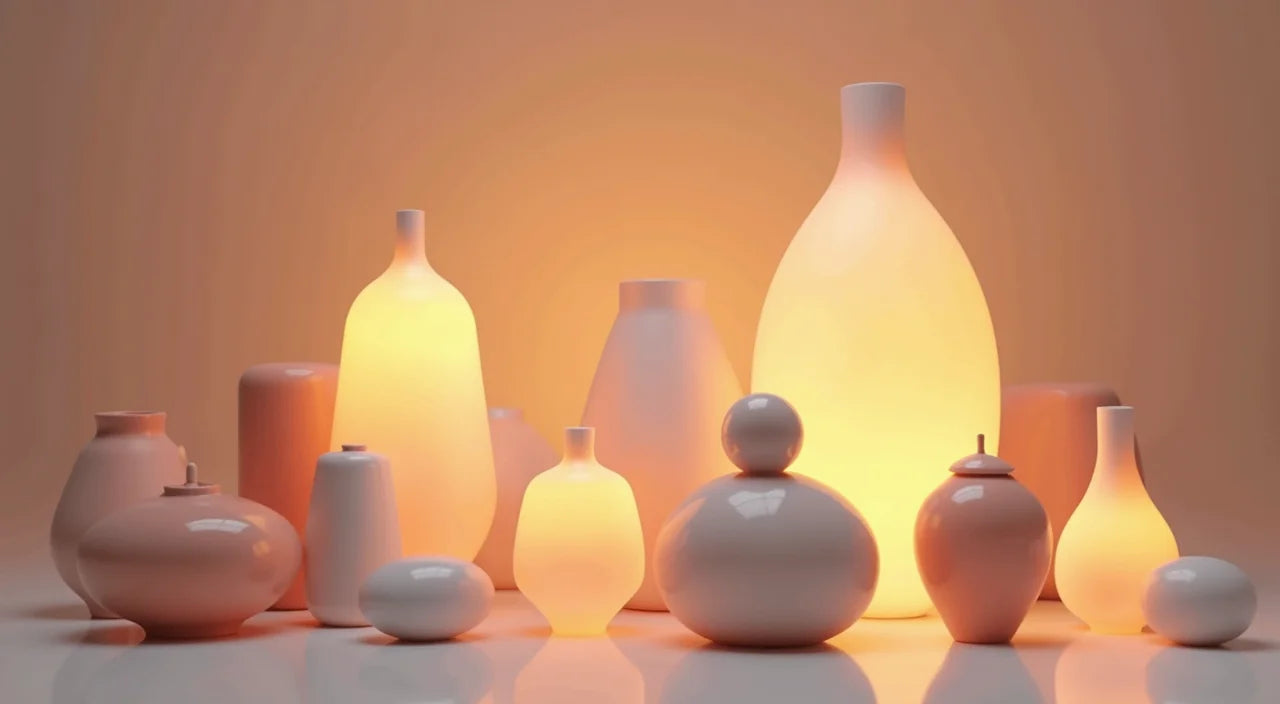
Ceramic sculptural forms glowing softly, creating warm ambient light and visual interest.
Myths vs. Facts About Decorative Lighting Solutions
Myth: Artistic Light Features Are Only for Contemporary Spaces
Fact: Decorative lighting works with virtually any design style. Traditional, transitional, minimalist, and eclectic spaces all benefit from thoughtfully selected artistic pieces. The key is choosing designs that complement your existing aesthetic rather than clash with it.
Myth: Decorative Lighting Cannot Provide Adequate Illumination
Fact: Modern artistic light features deliver both aesthetic appeal and functional brightness. Many incorporate energy-efficient LED technology, providing sufficient light for reading, working, and general activities while maintaining their decorative impact.
Myth: Artistic Lighting Must Be Expensive
Fact: Quality decorative lighting exists at various price points. Hand-crafted ceramic pieces and designer installations range from affordable to premium, allowing you to find options within your budget without compromising on style or durability.
Myth: These Pieces Require Professional Installation
Fact: Many artistic light features are user-friendly and require minimal installation. Table lamps, accent lighting, and portable sculptural pieces often come ready to use, making them accessible for renters and those avoiding professional installation costs.
Step-by-Step Guide to Selecting Artistic Light Features
Step One: Assess Your Space and Lighting Needs
Begin by evaluating your room's dimensions, existing decor, and current lighting conditions. Identify areas lacking adequate illumination or spaces where additional visual interest would enhance the design. Consider whether you need primary lighting, task lighting, or ambient accent pieces. This assessment ensures your chosen artistic features address both functional and aesthetic requirements.
Step Two: Determine Your Design Style and Color Palette
Review your home's overall design direction. Examine dominant colors, materials, and stylistic elements already present. Your chosen artistic light features should harmonize with these existing elements while potentially introducing subtle contrasts or complementary accents. This creates cohesive interior spaces rather than disconnected decorative items.
Step Three: Explore Available Materials and Craftsmanship
Artistic lighting solutions feature various materials including ceramic, glass, metal, wood, and mixed media. Each material offers unique aesthetic qualities and durability characteristics. Hand-painted ceramic pieces, for example, provide artisanal appeal and unique variations, while blown glass creates translucent effects that illuminate beautifully. Research materials that resonate with your design vision.
Step Four: Consider Scale and Placement
Select pieces proportionate to your space. Oversized fixtures overwhelm small rooms, while diminutive pieces disappear in expansive areas. Consider placement carefully, ensuring decorative lighting features serve as intentional focal points or subtle accents as desired. Group smaller pieces for visual impact or position statement pieces strategically for maximum effect.
Step Five: Evaluate Light Quality and Brightness Levels
Understand how different fixtures emit light. Some provide warm, diffused illumination ideal for relaxation areas, while others offer bright, focused light suitable for workspaces. Consider color temperature and intensity to ensure the lighting supports your intended room function and desired atmosphere.
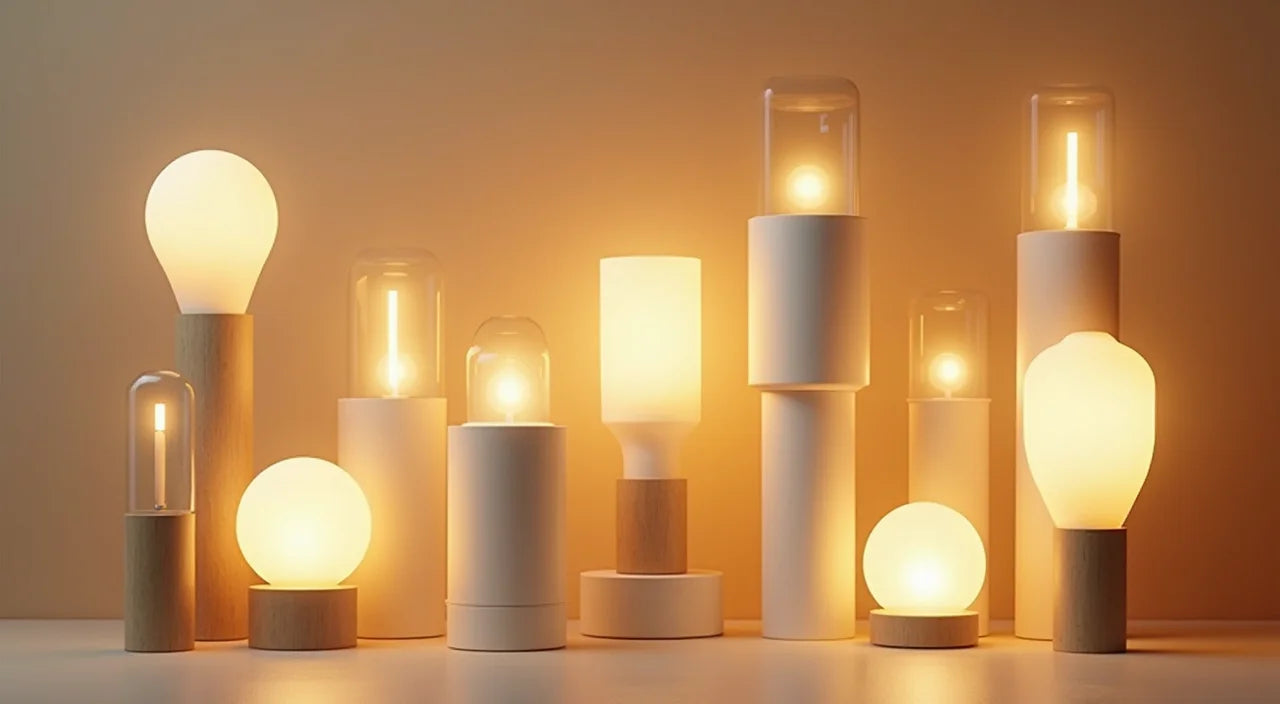
Artfully arranged light fixtures showing varied heights, materials, and warm golden illumination.
Step Six: Review Installation Requirements and Maintenance
Verify installation complexity, electrical requirements, and maintenance needs. Some artistic features require hardwiring by professionals, while others simply plug into standard outlets. Understand cleaning and care instructions to maintain the piece's appearance and functionality long-term. This practical consideration prevents unexpected complications after purchase.
Step Seven: Make Your Selection and Monitor Results
After careful consideration, choose pieces that genuinely appeal to you and fit your space. Allow time to observe how these artistic light features interact with your room throughout different times of day and seasons. Lighting conditions change, affecting how pieces appear and function. Adjust placement or supplementary lighting as needed to achieve your desired effect.
Frequently Asked Questions
How Do I Know If Artistic Lighting Will Improve My Space?
If your room lacks visual interest, adequate illumination, or fails to reflect your personal style, artistic light features can address these issues. Consider whether adding a decorative lighting piece would create a focal point, improve ambiance, or enhance your design aesthetic. Spaces with poor lighting or bland appearance particularly benefit from thoughtfully selected artistic solutions.
Can I Mix Different Styles of Decorative Lighting in One Room?
Yes, mixing styles works effectively when pieces share common elements such as color, material, or scale. For example, combining ceramic hand-painted pieces with contemporary metal fixtures creates visual interest while maintaining cohesion through complementary design languages. The key is intentional curation rather than random collection.
What Is the Average Lifespan of Quality Artistic Light Features?
Well-crafted decorative lighting from reputable makers lasts many years. Ceramic and glass pieces are essentially permanent if handled carefully, while electrical components vary. LED lighting systems last significantly longer than traditional incandescent options, often providing thousands of hours of use. Proper maintenance and appropriate care extend the lifespan considerably.
Additional Questions and Answers
Should Artistic Light Features Match My Furniture Style?
Perfect matching is unnecessary, but visual harmony matters. Your decorative lighting should complement rather than clash with furniture. If your pieces feature natural wood tones and warm fabrics, select lighting that echoes these qualities. Contemporary furniture pairs beautifully with modern artistic lighting, while traditional spaces benefit from classic designs. Consider shared design language rather than exact replication.
How Much Should I Budget for Quality Artistic Lighting Solutions?
Budget depends on your preferences and priorities. Functional decorative pieces begin at modest price points, while artist-designed or hand-crafted solutions command premium pricing. Mid-range options offer excellent quality and aesthetics without excessive expense. Invest based on the piece's prominence in your space and your personal value assessment. A statement lighting piece in your primary living area justifies greater investment than supplementary accent lighting.
Can Artistic Light Features Work in Rental Spaces?
Absolutely. Portable artistic lighting solutions offer perfect options for renters. Table lamps, standing fixtures, and accent pieces require no permanent installation. Plug-in options avoid electrical modifications, making them ideal for temporary spaces. These pieces also travel with you, allowing continued enjoyment across multiple residences. Consider this flexibility when selecting decorative lighting for rented properties.
Summary and Key Takeaways
Artistic light features represent more than functional illumination. They serve as design statements, focal points, and expressions of personal style. By understanding your space, assessing your needs, and carefully selecting pieces that resonate with your aesthetic vision, you create environments that feel intentional and cohesive.
The process of selecting decorative lighting involves assessment, exploration, and thoughtful consideration. From evaluating your space to understanding materials and installation requirements, each step contributes to informed decision-making. Whether you prefer subtle ambient lighting or bold sculptural statements, quality artistic solutions enhance your home's beauty and functionality.
Ready to transform your space with stunning decorative lighting? Explore hand-crafted ceramic light features that bring artistic elegance to any room. Discover how thoughtfully designed pieces create the ambiance you envision while providing quality illumination. Your perfect artistic lighting solution awaits.
For additional inspiration on decorative home accessories, consider exploring decorative table ornaments and home beautification approaches to complement your lighting selections.
About the Author
The author is a design consultant with extensive expertise in interior lighting solutions and decorative home accessories at Cassandras Shop. With years of experience helping clients select artistic light features that enhance their spaces, they combine practical knowledge with aesthetic insight. Their approach emphasizes the intersection of functionality and design, ensuring recommendations benefit both spaces and their inhabitants. Through detailed guidance and honest assessments, they empower homeowners to make confident decisions that transform their environments into personally meaningful, beautifully lit sanctuaries.
The content in this blog post is intended for general information purposes only. It should not be considered as professional, medical, or legal advice. For specific guidance related to your situation, please consult a qualified professional. The store does not assume responsibility for any decisions made based on this information.