Designer Chef Aprons: How to Style for Everyday Work
Cassandras ShopUpdated on: 2026-07-13
What Designer Chef Aprons Should Do for Real Kitchens
Expert Tips for Choosing Designer Chef Aprons
Personal Anecdote: How Apron Design Changed My Workflow
What Designer Chef Aprons Should Do for Real Kitchens
Designer chef aprons combine visual identity with kitchen performance. In daily service, an apron is not a decorative accessory. It is a functional barrier, a storage system, and a comfort layer that supports long tasks. The best designs reduce distractions, protect clothing, and help you work with consistent posture. When you choose designer chef aprons thoughtfully, you gain both professional polish and practical reliability.
To make an informed decision, focus on the apron’s purpose at three levels: protection, mobility, and usability. Protection includes coverage, material weight, and stain resistance. Mobility involves strap placement, apron length, and how fabric moves when you reach, lift, or turn. Usability includes pockets, tool access, and whether the apron can be put on quickly without constant adjustment.
There is also a branding component. A chef apron can signal style and craft before a guest ever tastes food. For home cooks, it reinforces confidence and helps the kitchen feel intentional. For businesses, it supports team consistency and creates a recognizable service uniform.
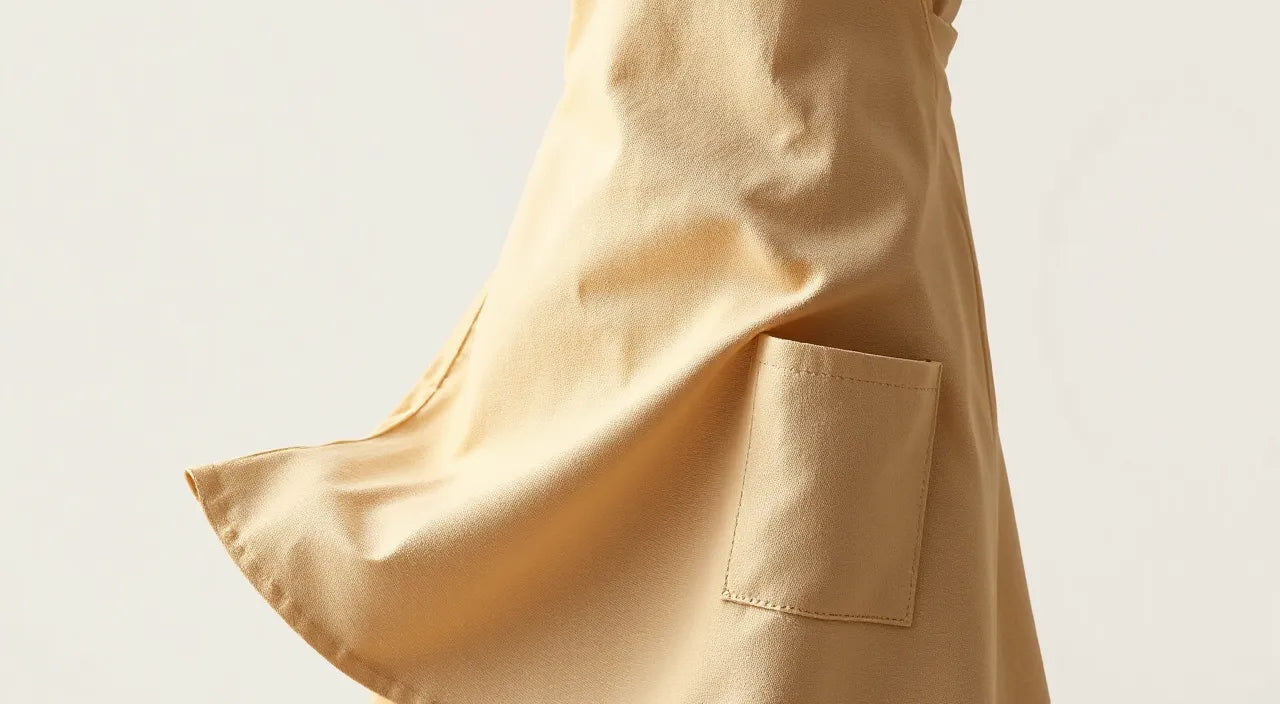
Visual guide to apron coverage, mobility, and pockets
Did You Know?
- Apron straps can be engineered to reduce shoulder strain during repetitive motion.
- Pocket placement changes how quickly you retrieve tools and how often you fumble.
- Fabric drape affects how heat and moisture feel while you work.
- Color and pattern selection can help hide minor splashes without sacrificing style.
- Reinforced seams are one of the simplest ways to improve long-term durability.
Expert Tips for Choosing Designer Chef Aprons
Choosing designer chef aprons becomes easier when you treat it as a checklist rather than a purchase impulse. Below are practical recommendations used by professional uniform buyers and experienced kitchen staff. Each point targets a common friction point, such as poor fit, inconvenient storage, or fabric that wears out quickly.
Prioritize fit over trend
A designer look should never override comfort. Confirm that the apron sits at the right height for your tasks. If it is too short, spills reach your clothing. If it is too long, it can interfere with movement near your legs and feet. Look for adjustable ties or straps that accommodate different body types and seasonal layering.
Select fabric weight for your cooking style
Fabric selection affects heat perception, drying time, and how the apron holds its shape. Heavier fabrics can offer stronger coverage, while medium-weight options often balance comfort and movement. If you cook frequently, choose materials that withstand repeated washing without excessive fading or seam stress.
Design pockets around real workflow
Pockets should support your routine, not just decorate the front. Consider what you carry most often, such as a thermometer, pen, small notebook, or tasting spoons. For many cooks, deep pockets are more reliable than shallow ones. If you move quickly, avoid pockets that collapse when you reach.
Check seam reinforcement and edge finishing
Durability is not a vague promise. Reinforced seams, stable stitching, and clean edge finishing reduce fraying and stress points. This is especially important around straps and pocket openings. A high-quality apron maintains function longer, which supports better value over time.
Choose color strategically for a cleaner appearance
Color choice affects how your apron looks throughout a long shift. Darker tones and thoughtful patterns can minimize the visual impact of minor splashes. This does not replace washing, but it helps you maintain a neat appearance between cleanings. If you prefer bold design, pair strong color with a fabric that resists staining.
Match style to the role, not only the individual
Uniform consistency matters for teams. If you are purchasing for a catering staff, cooking class, or service company, consider a cohesive palette and similar apron silhouette across staff. Designer chef aprons can still vary by personal preference, but shared visual structure helps guests feel the service is organized.
For additional inspiration on themed kitchen aesthetics, you may also explore how decorative lighting can set a calm mood in dining and prep spaces. For example, a koi-inspired design can complement a serene kitchen environment. If you want a non-intrusive option, you can view koi night light styles for color ideas. This is purely about atmosphere and visual coordination, not about kitchen safety or equipment use.
Personal Anecdote: How Apron Design Changed My Workflow
I once underestimated how strongly apron design could influence the way I cook. I owned an apron with a pleasant look, but the pocket layout was inconvenient. During meal prep, I repeatedly reached for my tools only to discover they were not positioned where my hand expected them. I spent extra moments adjusting the fabric and wiping my hands before returning to the task. The result was slow, uneven workflow.
After I changed to a more structured apron, the difference was immediate. The straps held the apron steady, and the front compartments made it easier to access my essentials without breaking rhythm. I also found that the apron’s length helped me move naturally around the workspace. Over time, I relied less on last-minute organization. The kitchen felt calmer because I did not constantly reorient myself.
That experience taught me an important principle: designer chef aprons are not only about appearance. The design decisions, especially fit and storage, directly affect movement and confidence. When an apron is well made, it becomes part of the workflow rather than a distraction.
How to Style Designer Chef Aprons for Work and Events
Styling designer chef aprons requires a balance between professional credibility and personal expression. The goal is not to dress up food preparation. It is to create a uniform that supports visibility, comfort, and a clean visual impression. There are practical ways to achieve this for day-to-day cooking, catering events, and culinary workshops.
Build a simple color system
Choose a primary apron color that works with your kitchen clothing. Then select one supporting tone for accents such as trim or pattern. This approach keeps the outfit cohesive under different lighting conditions, including overhead kitchen lights and dining room ambient light.
Coordinate textures, not just colors
When you want a designer effect, consider contrast in texture. A matte fabric can look refined next to smooth shirts or structured chef coats. A subtle pattern can add depth without overwhelming the outfit. Keep the rest of the clothing neutral to let the apron design remain the focal point.
Prepare for mess with intentional patterning
Splashes are normal in food preparation. Patterns can help you maintain a neat look while you work. If you plan to serve guests or take photos during events, a pattern with balanced contrast can keep the apron looking presentable longer. Pair this with a washing routine that matches the fabric care label.
Keep the apron tied securely and consistently
For events, consistency matters. Tie the apron using the same method every time so coverage remains uniform. A stable tie also reduces distractions when you move. If the apron includes adjustable straps, set them once to your preferred fit and store the apron flat to preserve shape.
Pair with event lighting for a polished atmosphere
Even when food is the main focus, environment influences perception. Soft lighting can complement the visual energy of a designer apron. If you run culinary pop-ups or dinner nights, consider decor that supports calm attention. Some ceramic night light designs, such as barn owl ceramic night light styles, can inspire warm, inviting tones. This can help guests feel comfortable while you prepare food.
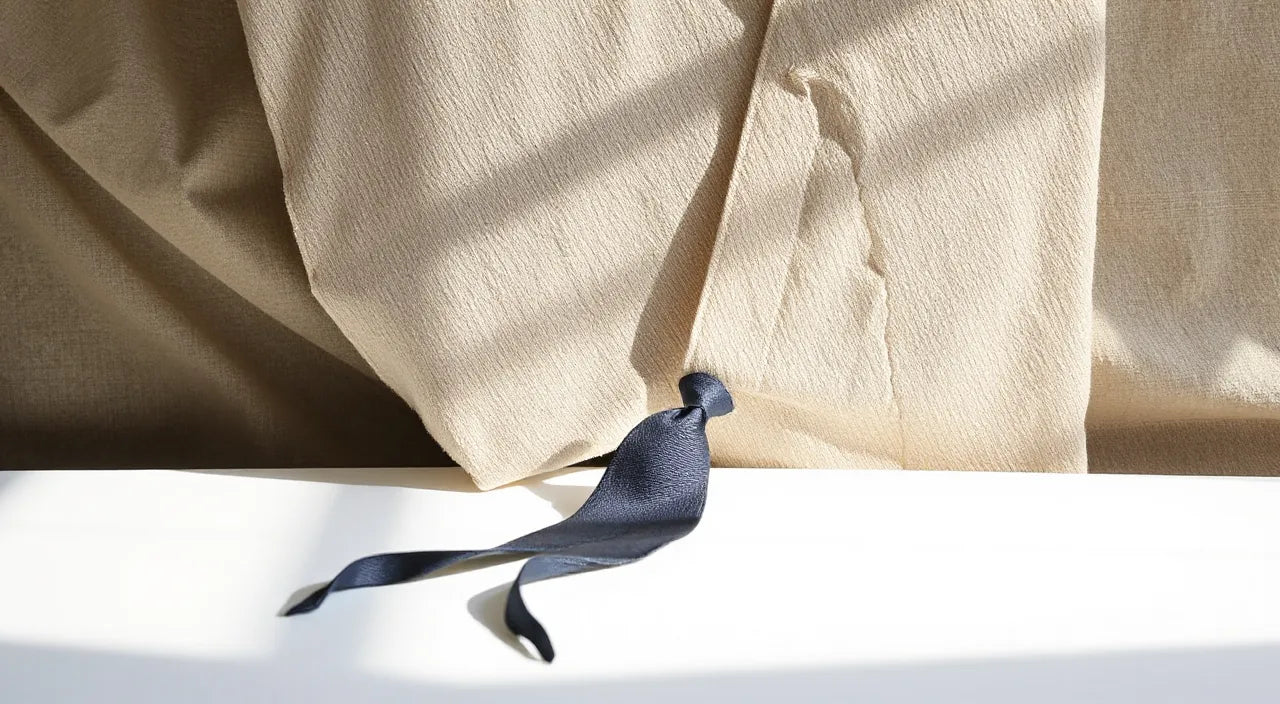
Styling concept: coordinated colors, textures, and secure ties
Use apron design to reinforce role clarity
In team settings, apron design can help guests and staff identify responsibilities. Many kitchens use consistent silhouettes, then vary specific elements for role recognition. For example, the same apron shape across staff keeps the team organized visually. Small differences, such as a trim color, can help guests recognize who to approach for service.
Wash and care to preserve the designer look
Long-term appearance depends on proper care. Follow the fabric care instructions and treat stains soon after they occur. Avoid harsh cycles that can degrade seams and straps. If you want the apron to keep its drape, air drying is often gentler than high-heat methods. With consistent maintenance, designer chef aprons maintain both functionality and style for longer.
Summary & Takeaways
Designer chef aprons bring together craftsmanship, comfort, and professional presentation. The most effective choices prioritize fit, durable construction, and pockets designed around real cooking tasks. Consider fabric weight and color strategy to support a cleaner appearance and better movement during service. Finally, care routines help preserve the designer look while extending lifespan.
Actionable takeaways:
- Choose an apron height that supports your natural stance and safe movement.
- Select fabric weight based on how you cook and how often you wash.
- Verify pocket depth and placement for the tools you use most.
- Look for reinforced seams at stress points for long-term durability.
- Maintain the apron with consistent, fabric-safe washing and drying.
Q&A Section
How do I know if a designer chef apron will fit properly?
Check coverage at the chest and waist, then confirm the length supports your normal range of motion. If the apron has adjustable straps, set them so the fabric stays in place during reaching and turning. A properly fitted apron should not bunch around the hips or shift repeatedly while you work.
What features matter most for frequent home cooks and caterers?
Durability and usability matter most. Reinforced seams reduce wear at strap and pocket areas. Practical pockets improve speed during prep and service. Fabric weight should balance comfort with coverage, especially if you cook often or handle hot liquids.
Can designer chef aprons work for events where photos are taken?
Yes, when you plan for visual consistency. Choose color and pattern contrast that remains presentable as food prep progresses. Pair the apron with neutral clothing to keep the outfit cohesive. Then secure ties consistently so the apron maintains the same silhouette throughout the event.
How should I care for a designer apron to keep it looking professional?
Follow the fabric care instructions on the label, treat stains promptly, and wash in a way that protects seams and straps. Use gentle drying methods when possible. Regular care preserves both appearance and function, which helps the apron perform reliably over time.
Are designer chef aprons only for professional chefs?
No. Any cook who wants a cleaner, more organized workspace can benefit. A well designed apron supports comfort, reduces distractions, and helps protect everyday clothing. It also adds a sense of intention to the cooking process.
About the Author
Cassandra Rhodes
Cassandras Shop focuses on practical lifestyle design for home settings where aesthetics and function must work together. Cassandra Rhodes has expertise in uniform-style accessories, materials selection, and visual coordination for kitchen and hosting environments. Her approach emphasizes durability, comfort, and clear usability. Thank you for reading, and may your next apron choice support both your workflow and your style.
Disclaimer: This article provides general guidance on apron selection and care. Always follow the manufacturer’s instructions for the specific materials you use and practice safe kitchen habits.
The content in this blog post is intended for general information purposes only. It should not be considered as professional, medical, or legal advice. For specific guidance related to your situation, please consult a qualified professional. The store does not assume responsibility for any decisions made based on this information.