Decorative Kitchen Linens: Style Tips for Every Cook
Cassandras ShopUpdated on: 2026-07-10
Decorative kitchen linens are one of the simplest ways to elevate everyday kitchen spaces. They help define a color story, soften hard surfaces, and add a polished finish for casual meals and hosting alike. With the right material, size, and care routine, these textiles can look fresh season after season. This guide explains how to choose, style, and maintain decorative linens for a cohesive, practical result.
Table of Contents
- Why Decorative Kitchen Linens Matter in Everyday Design
- How to Choose Decorative Kitchen Linens for Your Space
- Materials, Weaves, and Sustainability Considerations
- Size, Placement, and Styling Rules That Look Intentional
- Care and Storage for Long-Lasting Appearance
- Seasonal Rotation and Mixing Without Overcrowding
- Common Mistakes to Avoid When Styling Linens
- Frequently Asked Questions
Why Decorative Kitchen Linens Matter in Everyday Design
Decorative kitchen linens go beyond surface decoration. They frame daily routines and make a kitchen feel cared for, even when the layout is simple. A well-chosen set of textiles can visually balance open shelving, bright tile, and reflective metal fixtures. It can also help unify the look of your cabinetry, flooring, and countertop finishes through coordinated tones.
In practical terms, linens contribute to the experience of using the kitchen. Dish towels support everyday drying and quick cleanups, while table runners and placemats protect surfaces and reduce the look of wear. Oven mitts and trivets add a functional layer that still contributes to the overall aesthetic. Because these items are visible during frequent use, the visual impact is immediate.
Another advantage is flexibility. You can update the feel of your kitchen without replacing major elements. Decorative kitchen linens allow you to experiment with color palettes, seasonal themes, and texture contrast. This approach supports a stable base design while keeping your space responsive to changing preferences.
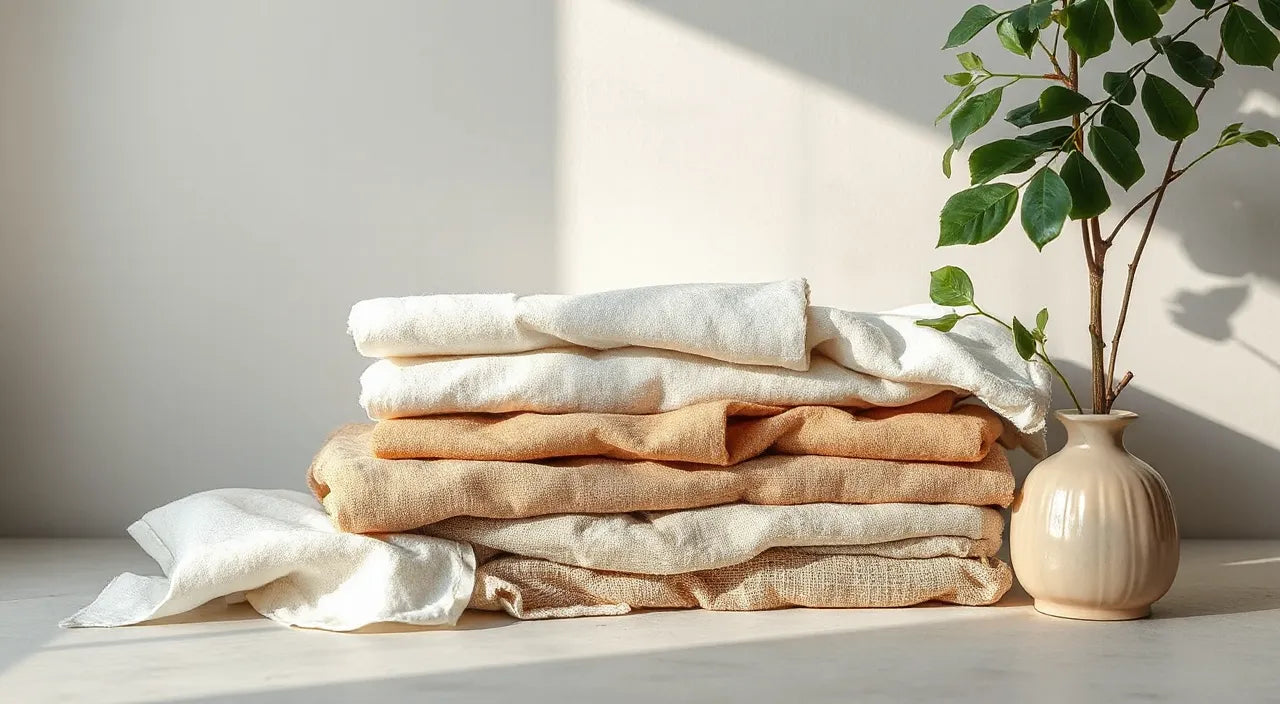
Layered textiles, color swatches, tidy counter styling
How to Choose Decorative Kitchen Linens for Your Space
Choosing decorative linens is easier when you evaluate your kitchen from three angles: function, fit, and visual cohesion. Start with what you want to accomplish. Are you trying to soften a bright, modern kitchen? Do you want a warmer, more traditional feel? Or are you preparing for regular hosting?
1) Define the role of each linen
Not every textile serves the same purpose. Decide which pieces will be most visible and most used. If towels are your primary set, prioritize absorbency and quick drying. If your table setup is the focus, prioritize drape and coordinated pattern scale.
2) Build a simple color strategy
Pick one primary tone that aligns with the room’s dominant finish, such as warm wood, cool stone, or neutral paint. Choose one secondary color for contrast. Then select a supporting neutral for grounding, such as cream, beige, or soft gray. This keeps decorative kitchen linens from competing with other kitchen elements.
3) Match pattern scale to your visual layout
Small kitchens benefit from medium to small patterns because they avoid visual noise. Larger rooms can support bolder patterning. If your backsplash is highly detailed, choose linens with calmer motifs. If the backsplash is minimal, decorative patterns can become the focal point.
4) Ensure durability aligns with your schedule
Texture and construction matter. If linens will be used daily, choose options that maintain structure after repeated washing. If the goal is styling for occasional events, you can prioritize a more refined look while still ensuring practical care.
Materials, Weaves, and Sustainability Considerations
Material choice affects appearance, comfort, and maintenance. Cotton remains a reliable option because it is easy to care for, breathable, and versatile across styles. Linen offers a naturally textured look that ages gracefully and supports an elevated, relaxed aesthetic. Blends can be practical when you want a balance of durability and softness.
Weave type influences visual texture. Plain weaves often appear crisp and clean, while basket weaves and twills add depth. Towels with a terry structure can improve absorption. Table linens with a tighter weave tend to look more polished and hold shape better.
Sustainability considerations are also relevant. Look for responsible sourcing signals, long-wearing construction, and repair-friendly design choices. The most sustainable approach is not only what you buy, but how long it lasts. Selecting decorative kitchen linens that withstand repeated cycles reduces waste and protects your budget.
Size, Placement, and Styling Rules That Look Intentional
When linens fit correctly, they appear intentional. When they do not, the effect can become messy, even if colors are beautiful. Use placement principles that align with typical kitchen geometry: countertops, functional zones, and table proportions.
Countertops and islands
For islands, place a table runner-style textile only if it is safe for everyday movement and cleaning. Otherwise, use smaller items. Fold dish towels with crisp edges and place them in a consistent direction. This creates order without overcrowding.
Tables and dining surfaces
For dining tables, aim for a runner width that complements the table. The goal is coverage with breathing room at the sides. Placemats should align with plate placement so each setting feels balanced. If you use a centerpiece, keep the height low enough that linens remain visually central.
Layering guidance
Layering works best when you combine only two variables at once. For example, choose one pattern and one texture, or one bold color and one neutral fabric. If you attempt multiple bold patterns and contrasting textures simultaneously, the result often feels busy.
If you want a quick upgrade for a themed display, consider pairing your linens with complementary accent lighting in the kitchen area. For example, ceramic night light designs can add a soft visual glow during evening routines. You can explore options such as koi fish ceramic night light to create a calmer ambiance that supports warm-toned linens.
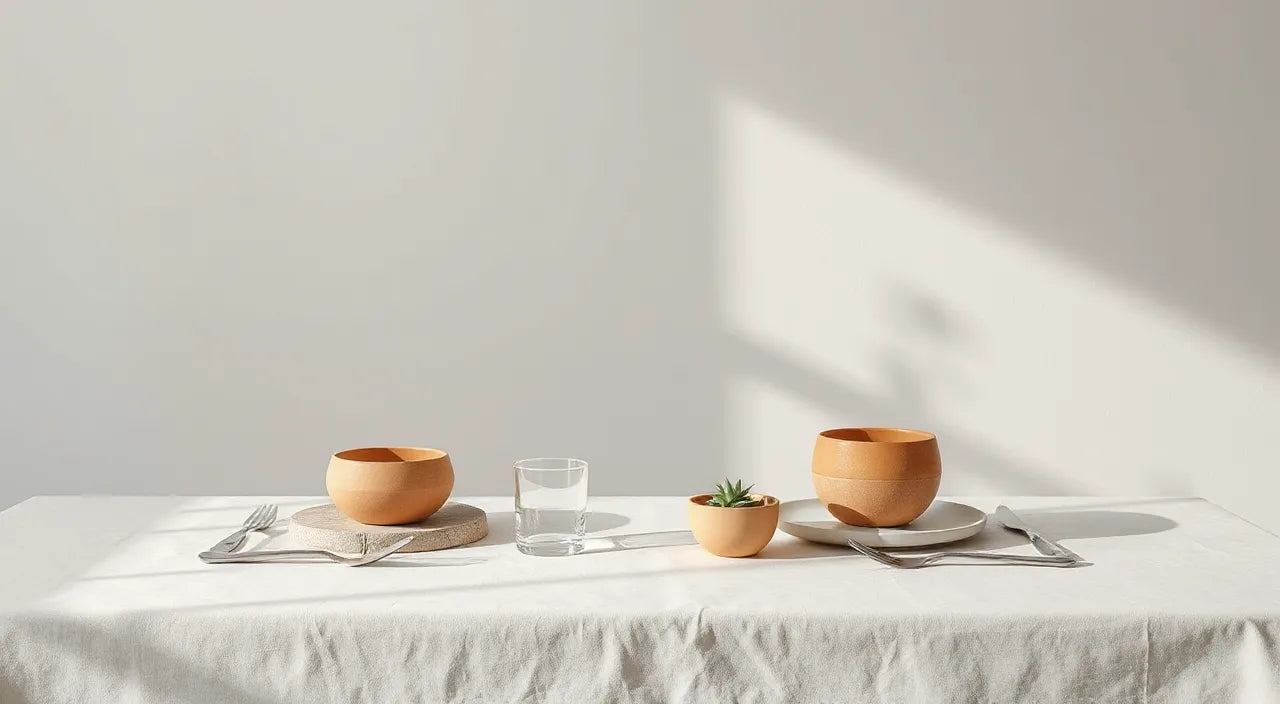
Table settings with cohesive colors and balanced spacing
Care and Storage for Long-Lasting Appearance
Good care preserves the look that makes decorative kitchen linens worth purchasing. Start by following the fabric-specific instructions on the care label. Beyond that, use a consistent routine that prevents residue buildup and color dulling.
Washing best practices
- Pre-treat stains gently before washing. Avoid harsh methods that can damage fibers.
- Use water temperatures appropriate for the fabric. Hot water is not always beneficial for color longevity.
- Choose detergents that clean effectively without leaving residue that can feel stiff or dull.
- Do not overfill the washer. Linens need room for movement to clean properly.
Drying and finishing
Air drying supports fabric longevity and reduces the risk of shrinking. If you use a dryer, select a moderate setting and remove linens promptly. Iron or steam when needed, focusing on high-visibility edges for crisp presentation.
Storage that prevents damage
Store linens in a clean, dry environment. Fold with care and avoid compressed storage that can set creases. For items with decorative details, protect them from friction by separating stacks with clean tissue or breathable fabric.
Consistent care also supports hygiene. Kitchen textiles often absorb moisture and odors over time. Washing on a regular schedule ensures linens remain fresh and reduces the appearance of wear.
Seasonal Rotation and Mixing Without Overcrowding
Seasonal styling is most effective when you treat it as rotation rather than constant replacement. Keep a core set for everyday use and store seasonal designs for a predictable schedule. This reduces clutter and makes seasonal updates feel purposeful.
To mix pieces, focus on shared elements. If your seasonal linens use a pattern, find a neutral base that matches your core color. If your seasonal set is bold, keep the rest of the textiles minimal. If your seasonal set is subtle, you can add one accent item, such as a runner or towel with slightly different texture.
Textile diversity also helps. Combine a textured towel with a smoother placemat fabric, or pair a solid neutral with a patterned accent. This adds depth without requiring multiple competing colors. The kitchen then remains visually balanced while still reflecting your style changes.
For kitchens that also benefit from gentle evening ambience, coordinating kitchen textiles with a calming light source can help tie the room together. If your home uses a coastal or nature-inspired theme, you may like the visual tone of sting ray ceramic night light to complement lighter palettes.
Common Mistakes to Avoid When Styling Linens
Even well-designed linens can underperform if styling decisions create visual imbalance. Avoid the following common issues to keep decorative kitchen linens looking deliberate.
- Ignoring scale: Large patterns can overwhelm small spaces, while tiny patterns can look lost at a distance.
- Overmatching: Matching every textile exactly can flatten visual interest. Use a shared color direction instead.
- Choosing impractical textures: High-pile fabrics may look luxurious but can be harder to clean for kitchen use.
- Using too many focal points: If the table already has a centerpiece and heavy tableware, keep linens simpler.
- Neglecting fit: Oversized runners or misaligned placemats create a rushed look.
Another frequent mistake is waiting too long to replace linens that have lost shape. If edges fray or colors fade significantly, the textiles can draw attention for the wrong reasons. Refreshing key pieces keeps the kitchen cohesive.
FAQ
What are the best decorative kitchen linens for daily use?
For everyday use, choose absorbent materials and durable construction. Look for textiles that wash well and maintain shape after repeated cycles. Plain or lightly patterned designs also tend to blend into changing kitchen routines while still offering a polished finish.
How many sets of decorative linens should a kitchen keep?
A practical approach is to maintain a core set for daily cleaning and dining, then add one rotating seasonal set. This typically includes dish towels plus either a runner or placemats for table settings. Keeping fewer, better-coordinated textiles usually produces a more refined look.
How do I prevent linens from looking wrinkled on display?
Use proper drying methods, remove items promptly, and steam or iron high-visibility areas. Fold linens consistently and store them in breathable conditions to reduce crease buildup. A small routine before guests arrive can significantly improve presentation.
Can I mix patterns and still look coordinated?
Yes, if you share at least one element. Coordinate by color family, pattern scale, or texture. A reliable rule is to limit yourself to one dominant pattern and one supporting motif, then anchor the setup with neutrals.
Closing Thoughts
Decorative kitchen linens can transform daily routines into a more attractive and organized experience. By selecting the right materials, maintaining a clear color strategy, and styling with consistent fit and spacing, you create a kitchen that looks polished without feeling overdone. Use rotation to keep the look fresh, and follow care best practices to protect texture and color. Start with one category you use most often, then build outward as your confidence grows.
Disclaimer
This article provides general guidance for selecting and caring for decorative textiles. Results depend on fabric composition, washing practices, and environmental conditions. Always refer to garment or textile care labels for the most accurate instructions.
About the Author
Cassandras Shop supports home styling expertise focused on functional beauty and long-lasting presentation. The team brings practical knowledge of textiles, color coordination, and care routines that help households maintain a cohesive look over time. For readers who want a confident, low-stress approach to updating everyday spaces, the guidance in this article is designed to be immediately actionable. Thank you for reading, and begin your next kitchen refresh with purpose.
The content in this blog post is intended for general information purposes only. It should not be considered as professional, medical, or legal advice. For specific guidance related to your situation, please consult a qualified professional. The store does not assume responsibility for any decisions made based on this information.