Decorative Home Textiles: Simple Styling Tips That Last
Cassandras ShopUpdated on: 2026-10-03
Decorative home textiles can transform a room without major renovations.
This guide explains how to choose fabrics, colors, and patterns that look intentional.
You will also learn practical styling methods for layering, sizing, and seasonal updates.
By following the steps, you can create a cohesive look that feels comfortable and well-designed.
Contents
1. Essential Tips
2. Detailed Step-by-Step Process
3. Styling by Room
4. Care and Material Choices
5. Summary & Takeaway
6. Q&A
Essential Tips
- Start with a palette. Choose two main colors and one accent to keep decorative home textiles coordinated.
- Layer for depth. Combine a base textile, a pattern element, and a texture piece to avoid a flat look.
- Match scale to your space. Large prints can anchor a spacious room, while small motifs suit tighter areas.
- Use consistent materials. Mixing too many fabric types can make the overall style feel scattered.
- Think about sight lines. Confirm that curtains, pillow covers, and throws align when viewed from the main seating position.
- Refresh without replacing everything. Swap pillow covers or add a seasonal runner to update the look affordably.
Detailed Step-by-Step Process
Decorative home textiles work best when they are selected with purpose. The goal is not only to make a space look attractive, but also to create a visual rhythm across surfaces. Follow the process below to build a style system that holds together.
1) Define the room function and mood
Begin by identifying how the room is used. Living spaces often need comfort and warmth, while dining areas benefit from a polished, structured feel. Decide whether you want the mood to be calm, vibrant, or classic. This decision guides fabric weight, pattern intensity, and color saturation.
2) Choose a foundation textile
A foundation textile sets the tone. Common options include a curtain panel selection, a large rug, or a couch cover style. Choose the most visually dominant piece first, then treat additional textiles as supporting elements.
3) Build the color structure
Use a simple framework. Select one neutral or low-contrast base, then add one secondary color that appears at least twice. Introduce accents through smaller items such as throw pillows, table runners, or wall hangings.
When patterns enter the plan, use them sparingly. A room usually looks cohesive when only one or two pattern families are present. Examples of pattern families include stripes, geometric shapes, and botanical motifs.
4) Select fabric textures for contrast
Texture provides a premium look even when colors remain limited. Pair smooth fabrics with textured ones. For instance, combine a crisp curtain look with a woven throw or a tufted cushion style.
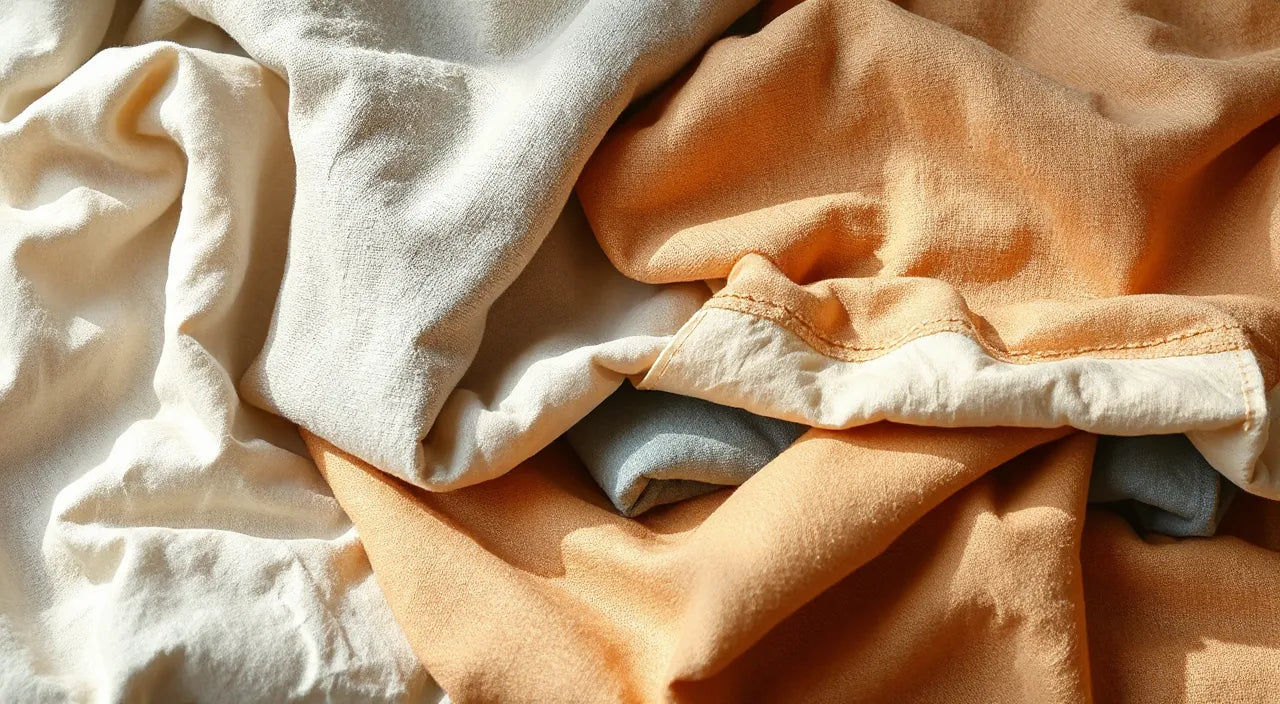
Layered fabrics, mixed textures, balanced color blocks
5) Apply the layering rule
Layering creates depth and comfort. Use a three-part approach: base textile, pattern element, and finishing texture. Keep the number of pattern pieces limited so the room retains visual clarity.
For seating, consider a sequence such as: larger cushions at the back, mid-size cushions in the center, and smaller accent pillows at the front. For bedding, layer in a similar hierarchy with a comforter or duvet cover, then add coordinated shams and a throw.
6) Use correct sizing and placement
Textile fit affects how refined the room looks. Curtains should align with window width and fall height. Cushion sizing should match sofa and chair proportions. Throws should have enough length to drape naturally without looking squeezed.
If you are unsure, measure key surfaces: sofa length, bed width, and window span. Compare those measurements to the textile dimensions you intend to use. Accurate sizing reduces the need for constant adjustments.
7) Confirm cohesion through repeat elements
Repeat is a reliable design strategy. Select one detail that appears in more than one textile category, such as a recurring color or a specific motif. This repetition signals unity and prevents your decorative home textiles from reading as unrelated items.
8) Add functional comfort
Decorative choices should also serve daily life. Choose breathable fabrics for frequent-use areas, and consider stain-resistant options for high-traffic zones. Comfort increases the likelihood that you will enjoy your textiles long-term.
Styling by Room
Once you understand how to choose and layer decorative home textiles, the next step is applying that knowledge to each room. The styles below are general frameworks that adapt easily to your home layout.
Living room: anchor the seating
Your living room textiles usually center around the sofa and the primary seating cluster. Start with curtains or a background wall textile, then add throw pillows and a throw blanket. Use one pattern as the focal point and keep the rest more minimal.
If your sofa is neutral, introduce a bolder pillow pattern. If your sofa already carries color, select softer tones and texture-forward fabrics. This approach maintains balance.
For a practical lighting synergy, a coordinated room theme can include a gentle ambient accent. If you want decorative mood lighting that pairs naturally with textile styling, consider a compact night-light option such as barn owl ceramic night light as a visual complement to cozy, layered styling.
Bedroom: prioritize relaxation and layering
Bedrooms benefit from soft transitions and consistent color temperature. Choose bedding and window textiles that feel calm together. Use a duvet or comforter as the foundation, then add shams and a throw in complementary tones.
For a hotel-like effect, use a structured pillow arrangement. Place larger sleeping pillows toward the back, then add smaller decorative cushions in front. Finish with a neatly folded throw at the foot of the bed or draped over one side.
Dining room: add structure and polish
Dining textiles create formality without needing large decor changes. Focus on table runners, placemats, and napkin styles. Keep the palette consistent with curtains or nearby wall textiles.
When using patterned table textiles, match them with solid dinnerware tones. A single strong pattern is typically enough. The goal is a cohesive surface that supports conversation and meal flow.
Entryway: build a welcoming first impression
Entryways often need textiles that handle daily use. Choose durable runners, wipeable materials, and simple accent pieces. Avoid overly delicate fabrics in high-footfall areas.
A cohesive entry approach uses a limited palette and repeated detail. If you use one accent color in a runner, echo it in a small textile elsewhere, such as a cushion or wall textile.
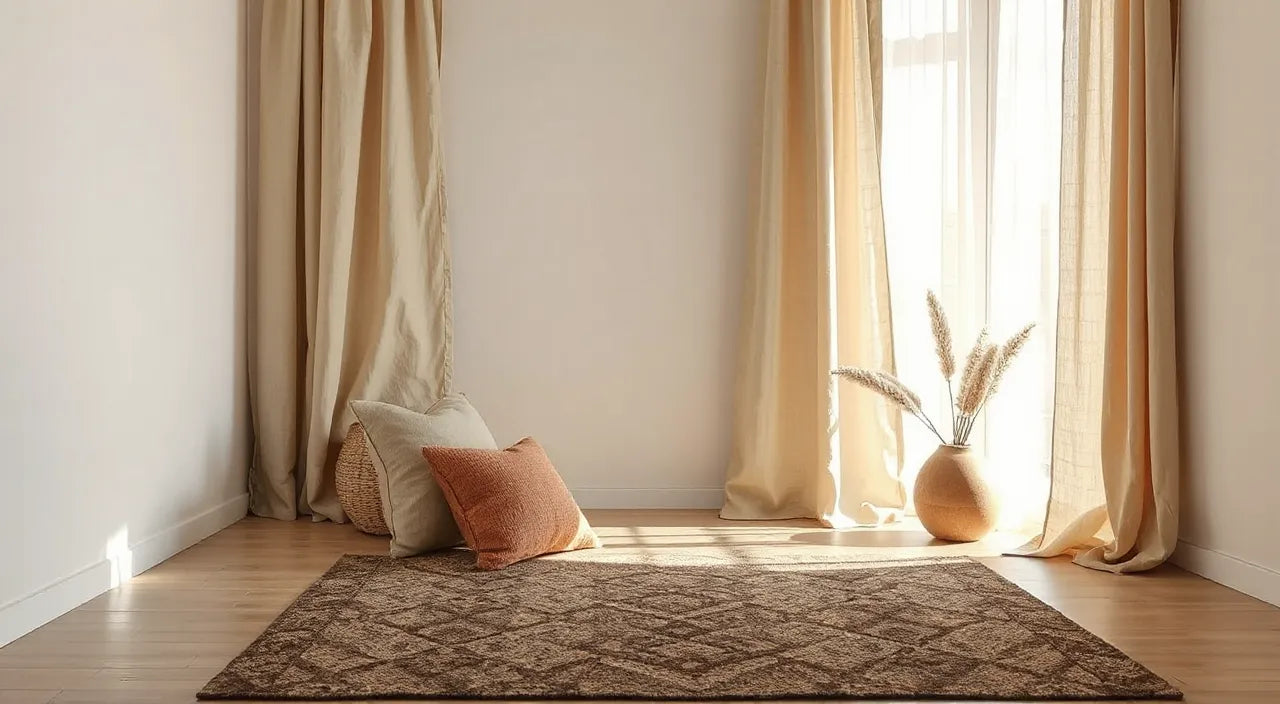
Room vignette cues: curtains, pillows, runner pattern scale
Care and Material Choices
Decorative home textiles retain their appearance longer when you select materials that fit your lifestyle and care routine. The best plan blends aesthetic priorities with practical maintenance.
Choose fabrics based on use intensity
High-traffic areas require textiles that resist wear and maintain shape. For frequent seating use, look for fabrics that hold form and recover after light adjustments. For quieter rooms, you can experiment with more delicate textures.
Consider fiber behavior and appearance
Natural fibers often bring comfort and breathability. They can also require specific care practices such as gentle washing or careful drying. Synthetics often offer wrinkle resistance and stable color performance.
If you are balancing aesthetics with durability, prioritize fabric blends that suit your routine. Your goal is not perfection, but consistency over time.
Develop a simple cleaning routine
- Dust regularly. Vacuum and brush textured fabrics to reduce buildup.
- Spot clean when possible. Treat small marks early to prevent deeper staining.
- Follow label guidance. Use manufacturer instructions for temperature, drying method, and detergent type.
- Rotate items seasonally. Changing pillow positions or flipping cushions supports even wear.
Prevent fading and protect color
Sun exposure can gradually reduce color intensity. If your textiles face direct sunlight, use lining, adjust window treatments, or consider light-filtering layers. Protecting color keeps your decorative home textiles looking fresh and intentional.
Store textiles properly during off-seasons
Seasonal updates are most effective when storage is organized. Clean items before storing, then fold neatly and keep them in breathable containers. This reduces odor retention and helps maintain fabric structure.
When to refresh versus replace
Refresh when the colors still align and only minor wear is visible. Replace when fabrics lose shape, patterns fade unevenly, or stitching weakens. A targeted refresh often produces more impact than a full replacement.
Summary & Takeaway
Decorative home textiles improve comfort and visual coherence when chosen through a clear method. Define the room mood first, select a foundation textile, then build a consistent color structure. Layer textures with balanced scale, confirm sizing, and repeat key elements for unity.
Finally, care for fabrics based on use intensity and maintain color protection. With these steps, your textiles will look curated across seasons and daily life.
If you want additional inspiration for creating a warm, coordinated ambiance, you may also explore complementary decor accents at Cassandras Shop.
Q&A Section
How many decorative textiles should I use in one room?
Use enough pieces to create layers, not clutter. A practical baseline is a window textile plus a seating textile set, such as throw pillows and a throw, then one additional surface element like a runner or wall textile. If the room already includes a strong pattern in furniture or flooring, keep additional patterns minimal.
What is the safest way to combine patterns?
Start with one dominant pattern family, such as stripes or botanical motifs, then add a secondary pattern with a different structure. Keep at least one color consistent between patterns. Use solids as connectors to prevent visual overload.
How do I choose colors if I cannot decide on a theme?
Select one neutral base and one secondary color that already appears in your home, such as in artwork or flooring tones. Then choose an accent color that complements that secondary color. Building from existing elements reduces decision fatigue and improves harmony.
Are decorative textiles worth the effort for small spaces?
Yes, when you scale correctly. Choose prints with proportion suitable for the room and prioritize vertical alignment for curtains or wall textiles. A small number of well-fitted pieces can create a more designed look than many loosely placed items.
How often should I update my decorative home textiles?
You can update seasonally by swapping smaller items such as pillow covers and throws, rather than replacing larger foundation pieces. This strategy maintains continuity while still giving the room a refreshed appearance.
What materials work best for everyday living areas?
Everyday areas benefit from fabrics that hold shape and tolerate regular maintenance. Look for textures that feel comfortable but do not show wear quickly. Choosing the right fabric for the room function reduces stress and supports long-term style.
Can I achieve a high-end look without buying many items?
Yes. Focus on fit, repeat elements, and texture contrast. Selecting a coordinated palette and using correct sizing often creates a premium result even with a limited number of pieces.
How do I make decorative textiles look intentional on camera or in photos?
Arrange items symmetrically or with purposeful variation. Use a consistent layering hierarchy and avoid excess clutter. Ensure curtains hang straight, throws are draped with natural folds, and pillow covers are aligned to the same color temperature.
Should I match every textile perfectly?
Perfect matching is not required. Cohesion is achieved through consistent colors, repeated motifs, and compatible textures. Aim for harmony rather than identical materials in every category.
How do I balance comfort with polished style?
Choose soft, durable fabrics and keep the arrangement neat. Use tailored curtain styles, well-folded throws, and coordinated pillow spacing. Comfort increases day-to-day satisfaction while polished styling keeps the room visually refined.
What internal decor accent can complement textile styling?
Small lighting and atmosphere elements can support the comfort you build with textiles. A gentle accent piece such as koi fish ceramic night light can align with a calm, cozy interior theme without competing with patterns.
Disclaimer
All guidance in this article is provided for general informational purposes. Material performance, color retention, and cleaning outcomes may vary by fabric type and manufacturer care instructions. Always follow textile labels and product directions for safe use and maintenance.
About the Author
Cassandras Shop specializes in home styling guidance and curated decor inspiration with a focus on practical aesthetics. The author has expertise in interior presentation principles, fabric coordination, and room-by-room layout thinking. The goal is to help readers build comfortable spaces that look cohesive and last. Thank you for reading, and may your next textile update feel confident and rewarding.
The content in this blog post is intended for general information purposes only. It should not be considered as professional, medical, or legal advice. For specific guidance related to your situation, please consult a qualified professional. The store does not assume responsibility for any decisions made based on this information.