Compact Furniture for Small Spaces: Smart Layout Tips
Cassandras ShopTLDR: Compact furniture for small spaces can help you create more usable floor area without sacrificing comfort or style. The right pieces combine storage, flexible layout, and easy movement between zones such as work, dining, and rest. This guide explains how to choose dimensions, prioritize multifunctional design, and avoid common installation and layout mistakes. You will also find a practical checklist and answers to common questions about living in smaller rooms.
Updated on: 2026-05-23
Table of Contents
1. Introduction
2. Product Spotlight
3. Did You Know?
4. Pros & Cons Analysis
5. How to Choose Compact Furniture for Small Spaces
6. Layout Strategies That Make Small Rooms Feel Larger
7. Care and Maintenance Considerations
8. FAQ Section
9. Conclusion & CTA
10. About the Author
Compact Furniture for Small Spaces: Smarter Planning for Real Life
Compact furniture for small spaces is not simply a style choice. It is a performance decision that affects daily comfort, cleaning ease, and the way your room functions. In a smaller home, every surface matters. A well-chosen piece can add storage, improve sightlines, and support better traffic flow. When furniture is oversized, the room often feels crowded even when it is clean and well organized.
In this article, you will learn how to evaluate dimensions, choose multifunctional designs, and plan layouts that work. You will also see how to balance aesthetics with practicality so your space feels calm rather than cramped. The goal is simple: maximize usability while maintaining a coherent look.
Product Spotlight: A Small-Space Night Stand That Does More
One reason compact furniture for small spaces is so effective is that it reduces the need for extra items. For example, a compact night stand can combine surface space with storage, which can eliminate the need for an additional cabinet or side table. When a piece has a drawer, shelf, or compartment, it supports better organization in bedroom layouts where space is typically limited.
If you want inspiration for practical, calming home accessories, consider how compact lighting elements can complement small rooms without taking up much visual space. Gentle illumination can support a cozy atmosphere while keeping sightlines open. For a curated example of small-room-friendly décor, you can explore these ceramic night light options from Cassandras Shop: Koi fish ceramic night light, Barn owl ceramic night light, and Bluefin tuna ceramic night light.
Drawer, shelf, and open floor traffic lines diagram
When selecting a compact night stand conceptually, focus on three factors. First, confirm that the top surface supports your needs, such as reading devices or a small lamp. Second, prioritize storage depth that fits common items without forcing awkward placement. Third, verify clearances around doors, bedding, and pathways so the piece does not block movement.
This approach applies to many furniture categories. A small desk can include cable management. A narrow console can add storage for entry items. A compact dresser can hold clothing without requiring a full-size wardrobe. The design principle remains consistent: combine function and minimize footprint.
Did You Know?
- Small rooms often benefit most from furniture that supports vertical storage, not only horizontal footprint.
- Clear pathways matter more than exact room size. Measure how you walk between zones before you buy.
- Mirrors and light finishes can reduce the perceived heaviness of compact pieces, improving visual comfort.
- Multifunctional design usually performs better over time because it adapts to changing routines.
Pros & Cons Analysis
| Aspect | Benefits | Trade-Offs |
|---|---|---|
| Footprint | Improves usable floor area and movement. | May require more frequent organization due to less capacity. |
| Function | Storage and multifunctional features reduce clutter. | Some compact designs feel limited for oversized items. |
| Visual balance | Light finishes and narrow profiles can look cleaner. | Poor color matching can make small rooms feel fragmented. |
| Budget | Buying fewer items can reduce total spend. | Premium compact builds may cost more per unit. |
How to Choose Compact Furniture for Small Spaces
Choosing compact furniture is easier when you treat it as a system rather than a set of isolated purchases. The best decisions start with measurements and end with how the room actually behaves during everyday tasks.
1) Measure for movement, not only fit
Many people measure the width and height of a piece, but not the clearance required for opening doors, drawers, and closet systems. Begin by mapping the room into zones such as entry, seating, work, and sleep. Then measure the path length you will walk daily. The more you can keep a continuous walkway, the less cramped the room will feel.
2) Prioritize depth for seating and storage
Depth is often the limiting factor in narrow rooms. For seating, the wrong depth can create pressure on pathways. For storage furniture, shallow compartments may reduce usability for taller items. Select depth based on your typical items, not only on what is visually appealing. If you store books, bedding, or electronics, confirm dimensions carefully.
3) Choose pieces with integrated storage
Integrated storage reduces the number of standalone accessories. Look for features such as drawers with smooth runners, shelves that support stable weight, or compartments designed for cables and small devices. When storage is built in, you can maintain a cleaner surface, which is especially important in small interiors.
4) Match scale to the room’s visual rhythm
A small room still needs design coherence. Use consistent finishes, similar hardware tones, and compatible height levels. If you combine very low and very tall items without a plan, the room can feel uneven. A simple rule is to align key surfaces. For example, keep table heights close so the visual noise is reduced.
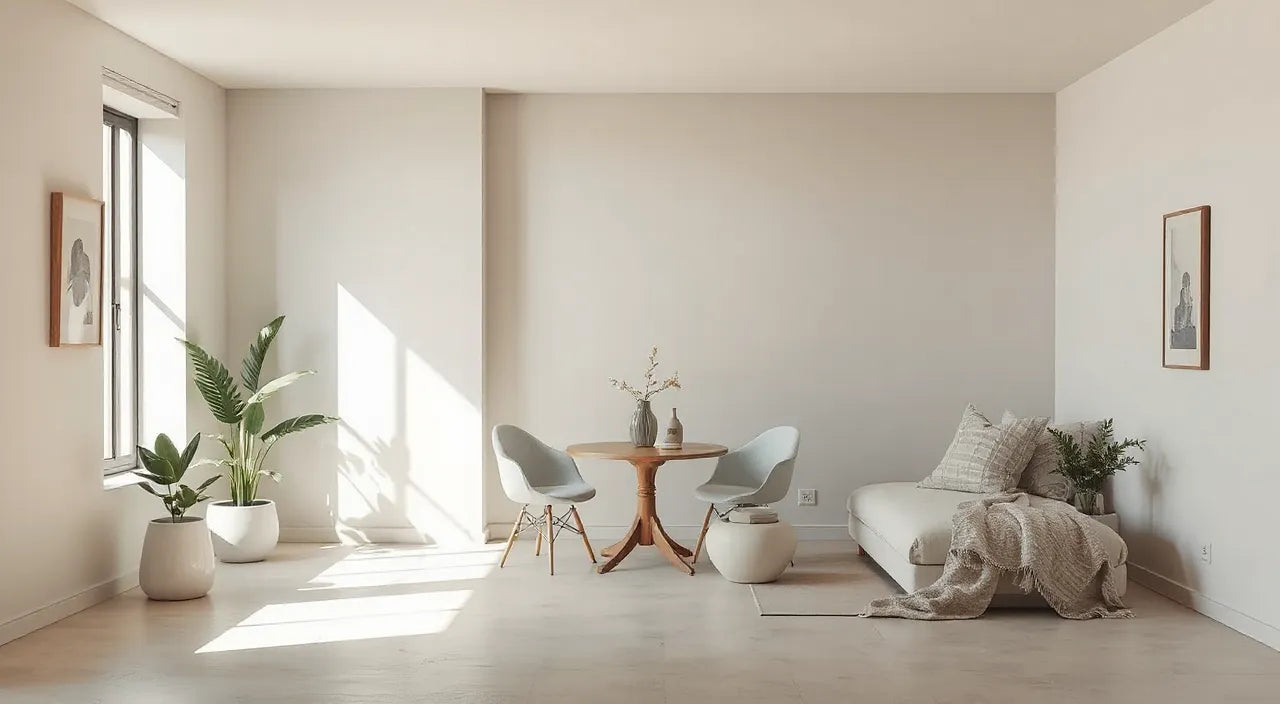
Room zoning with work, dining, and rest icons
5) Invest in flexibility where routines change
In small spaces, routines shift. A dining table may be used as a work desk. A bench may serve as storage. A console may become a media station. Furniture that adapts to different tasks offers higher long-term value. This is a key advantage of compact design when you want your home to remain functional as your needs evolve.
Layout Strategies That Make Small Rooms Feel Larger
Layout strategy influences comfort more than minor differences in furniture size. Even with the best compact piece, a poor arrangement can block light, create bottlenecks, and reduce usable surface area.
Use one focal anchor per room
Small rooms benefit from one clear focal point. This focal anchor could be a seating area, a bed wall, or a media wall. When you select one focal anchor, you can align other pieces to support it. The result is a more organized visual story.
Keep edges open and reduce visual clutter
Try to avoid placing high furniture directly in every corner. Instead, leave at least one visual “breathing zone” by using lower profiles or open-backed designs. This helps light move across surfaces and reduces the appearance of congestion.
Place taller storage against walls
If your compact set includes a dresser, bookcase, or wardrobe element, place it along a wall rather than floating it in the center. This preserves pathways and keeps the room’s geometry simple. Simple geometry reduces the feeling of being surrounded by furniture.
Use vertical lines and consistent color temperature
Compact interiors often feel better when textures and colors are coordinated. Choose finishes that reflect light similarly so the room does not look patchy. For lighting, consider warm illumination for relaxation areas and slightly brighter tones for work zones.
Plan for cables and everyday objects
Electronics quickly create visual clutter in small rooms. Use built-in cable routes, drawer compartments, or discreet organizers. Keep charging stations and small devices in a single zone. When objects remain in one area, surfaces stay clean and the room looks intentional.
Care and Maintenance Considerations
Compact furniture for small spaces often receives daily contact more frequently because items are stored closer to living activity. Therefore, maintenance planning matters. Use appropriate cleaners for your finish type and avoid over-saturation around seams or edges. For drawers and sliding components, inspect alignment periodically to prevent sticking.
For storage areas, keep a routine for sorting items so compartments remain useful. When storage is too tightly packed, doors and drawers may resist closing. This can reduce the lifespan of hardware. A stable maintenance approach also helps you keep the room visually calm, which is a major benefit of compact living.
If you want to add small decorative cues that enhance ambiance without heavy visual presence, consider compact décor such as ceramic night lights. Cassandras Shop offers animal-themed options that can complement compact rooms through gentle, decorative light. For additional browsing, you may also consider Smallmouth bass ceramic night light and Tawny owl ceramic night light.
FAQ Section
What size rules should I follow for compact furniture in a small room?
Start with clearance for movement, not only the item’s footprint. Measure walk paths and confirm that doors and drawers open fully without obstruction. As a general planning approach, keep a consistent pathway from entry to primary seating or sleeping zones so the room remains easy to navigate.
Is compact furniture only for studios and apartments?
No. Compact pieces work in many home types, including guest rooms, nurseries, offices, and spaces with awkward layouts. Any room that must balance multiple functions can benefit from integrated storage and flexible designs that reduce the need for extra accessories.
How can I make a small room look larger with compact furniture?
Focus on visual consistency and open sightlines. Choose finishes that complement each other, avoid placing tall items in every corner, and keep surfaces uncluttered through built-in storage. Lighting also plays a critical role; gentle illumination can make compact areas feel warmer and more inviting.
What should I prioritize when buying a compact desk or work table?
Prioritize ergonomic comfort, cable management, and storage access. Confirm desk height compatibility with your chair and verify that drawers or shelves can hold daily work items. If you use a laptop and charger frequently, dedicate one spot for cables to prevent surface clutter.
Conclusion & CTA
Compact furniture for small spaces is a practical way to improve comfort, organization, and visual calm. When you measure for movement, prioritize integrated storage, and plan a coherent layout, the room becomes easier to live in. Use the guidance above as a framework for choosing pieces that support your routines while keeping your environment functional and welcoming.
To explore small-room-friendly inspiration and decorative accents, visit Cassandras Shop and review curated options that align with compact, cozy interiors. Choose items that complement your space without overpowering it, and build a home that feels balanced from every angle.
About the Author
Author name: Cassandras Shop . The author team focuses on home organization, interior styling guidance, and practical selection principles for compact living. With expertise in small-space planning and consumer-friendly recommendations, the goal is to help readers create functional rooms that remain visually coherent. Thank you for reading, and may your next furniture selection support a calmer, more organized home.
Disclaimer: This article provides general information about small-space interior planning. Measurements, clearances, and product specifications can vary by brand and model. Readers should confirm dimensions and installation requirements before purchase and use.
The content in this blog post is intended for general information purposes only. It should not be considered as professional, medical, or legal advice. For specific guidance related to your situation, please consult a qualified professional. The store does not assume responsibility for any decisions made based on this information.