Artisan-Made Aprons: The Guide to Finding Your Perfect Fit
Cassandras ShopUpdated on: 2026-07-10
Artisan-made aprons combine practical durability with distinct design details. They are built for everyday tasks, yet they elevate the experience of cooking, crafting, and hosting. This guide explains how to choose the right apron for your work style and care preferences. You will also find straightforward steps to evaluate quality before you buy.
Essential Tips
- Prioritize apron weight and fabric density. Heavier materials often resist wear better.
- Look for reinforced seams at stress points such as the neck strap, waist tie, and front pockets.
- Choose a design that matches your primary use: cooking, gardening, studio work, or workshops.
- Verify strap adjustability if you want a secure fit across different clothing layers.
- Confirm pocket placement for practical access and easy tool storage.
- Consider dye and finishing quality, especially if your tasks involve stains or frequent laundering.
Detailed Step-by-Step Process
Choosing artisan-made aprons can be straightforward when you evaluate the garment the same way artisans and merchandisers do: by construction, usability, and longevity. Follow this practical sequence to make a confident purchase decision.
-
Define your use case. Identify your most common activities. Kitchen work favors stain resistance and easy cleaning. Crafting or workshop tasks may require extra coverage and stronger pockets.
-
Assess material selection. Select a fabric type that aligns with your environment. Natural fibers generally breathe well for cooking and studio work. Blends can improve durability depending on the weave and finish.
-
Inspect seam quality. Check whether seams look dense and consistent. Reinforcement at the neck and tie areas often signals higher build quality.
-
Evaluate strap design. Look for comfort and stability. Wide straps distribute weight and reduce pressure on the neck and shoulders.
-
Check coverage and movement. Consider your posture and arm range. A well-proportioned apron should protect key areas without restricting movement.
-
Verify pocket function. Pocket depth and placement matter. Choose designs that keep items secure and within reach.
-
Review color and finish. Dark tones and quality finishes tend to show fewer stains. If you prefer lighter colors, prioritize fabrics with strong dye retention and cleanable finishes.
-
Plan for care. Confirm how the fabric responds to routine washing. The best apron for you is the one you will maintain consistently.
Materials and Construction
Artisan-made aprons stand out because they are designed around material behavior. When fabric is chosen well, an apron becomes more than a protective layer. It becomes a dependable tool that stays comfortable and holds its shape through repeated use.
Fabric density and weave influence resistance to abrasion. A tighter weave generally handles friction better when you wipe surfaces, handle utensils, or move through a workspace. If your tasks are stain-prone, pay attention to how the fabric is finished and how it performs after washing.
Construction details often reveal whether an apron is made for long-term service. Look for reinforced stitching where stress is highest: at the neck band, the waist ties, and the transitions around pockets. Consistent seam lines usually indicate careful cutting and finishing. Rounded corners on pockets and clean interior finishing can also reflect better craftsmanship.
Edge finishing matters more than many shoppers expect. Well-finished edges reduce fraying and help the apron keep a neat appearance. This is especially important for aprons that see frequent handling in kitchens and studios.
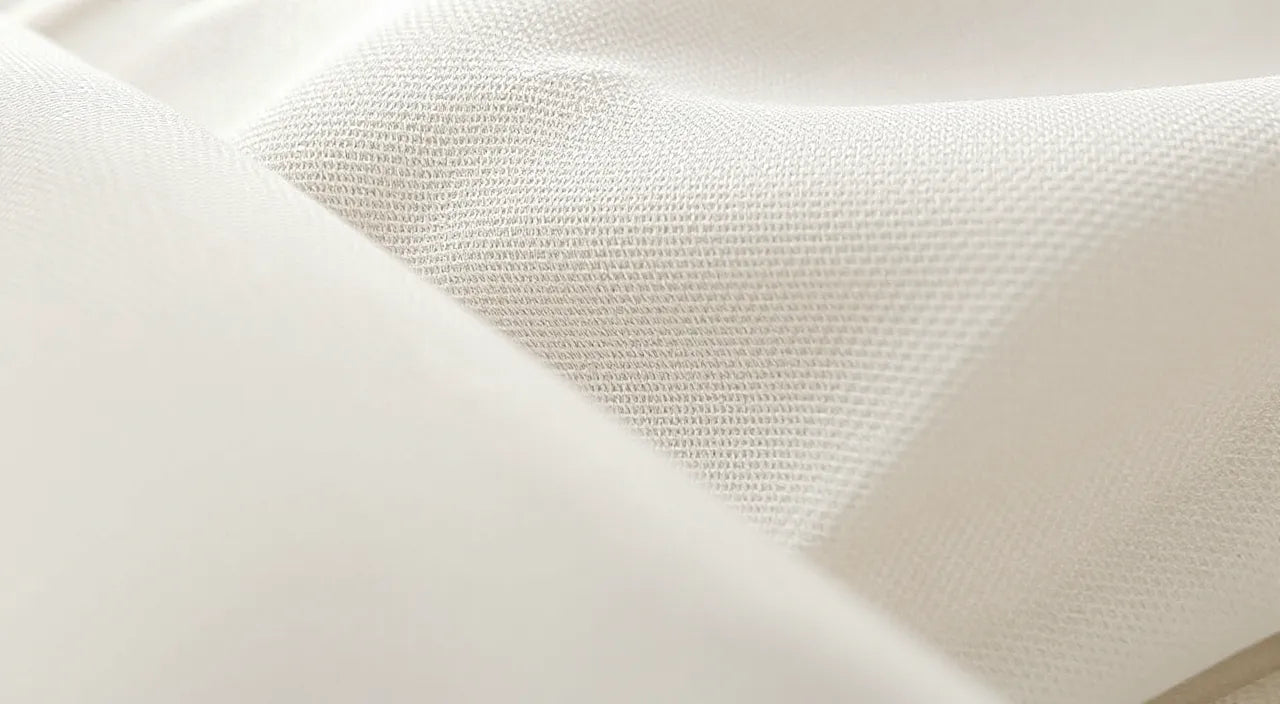
Close-up view of reinforced seams and dense weave textures
Fit and Function
A practical apron fit supports your workflow. An apron that is too short may expose clothing during forward movement. An apron that is too long can become cumbersome or drag across work surfaces. Artisan-made aprons often include thoughtful proportions that balance coverage and mobility.
Neck and waist support should feel stable. Adjustable neck straps help accommodate different body sizes and clothing layers. Waist ties should allow you to secure the apron without twisting. If you prefer a tighter fit, look for designs with wider ties or a structured waist panel.
Coverage strategy depends on task type. For cooking and meal prep, front coverage is essential. For gardening or general chores, you may want an apron that extends further down to protect against splashes and debris. For workshops, coverage around the torso helps reduce contact with dust or light debris.
Pocket design can improve efficiency. A well-placed pocket keeps small tools, oven mitts, or writing tools available without reaching for drawers. Consider pocket depth if you store heavier items such as markers or small utensils. If you use the apron for both cooking and crafts, prioritize a pocket layout that supports quick access.
Comfort and breathability are also functional considerations. Natural fibers can help with airflow during warm activities. If you work in a busy kitchen, comfort influences how often you wear the apron, which directly affects how consistent your cleanup habits remain.

Illustration of movement-friendly apron coverage and secure straps
Care and Longevity
Longevity is a core advantage of high-quality aprons. Artisan-made aprons are not disposable; they are designed to be maintained. Proper care preserves fabric integrity, pocket shape, and strap stability.
Washing approach should match the fabric. Use gentle cycles if the care label recommends it and avoid harsh detergents that can degrade finishes over time. For stain-prone use, pre-treat spots as soon as practical. Spot cleaning can also extend time between full washes when your tasks create small messes.
Drying method impacts shape retention. Air drying often helps maintain structure. If you use a dryer, choose lower heat settings where possible to reduce fabric stress and minimize shrinkage.
Ironing and finishing can refresh appearance and improve crispness. If your apron is made with cotton or similarly pressable fabrics, controlled heat can help the garment look polished again after repeated laundering. If the fabric is more delicate, use the lowest recommended setting.
Storage habits also influence performance. Store aprons flat or hung so straps do not become permanently warped. Keeping aprons clean before storage reduces odor buildup and helps maintain fabric color.
In addition to fabric care, treat reinforcement areas with respect. Neck straps and waist ties experience repeated tension. Avoid rough pulling or aggressive twisting during daily use to protect seam integrity.
Style and Gifting
Artisan-made aprons often deliver a design identity that feels personal. The right apron can complement kitchen aesthetics, studio routines, or even an event theme when hosting guests. While functionality remains central, style affects how frequently the apron is used and displayed.
Choose a palette that matches your environment. Neutral tones blend easily with most kitchens. Subtle patterns can hide minor stains. If you enjoy bold visual statements, choose colors that remain appealing even after wear.
Consider customization intent. Some buyers select aprons as everyday workwear. Others look for special gifts that feel thoughtful and durable. Handmade details create a sense of care that is difficult to replicate with mass production.
Gift selection checklist: confirm sizing compatibility, check pocket capacity, and prioritize fabrics that align with the recipient’s lifestyle. If the recipient cooks frequently, focus on practical coverage and easy cleaning. If they craft often, prioritize pocket configuration and durable construction.
When you want to support small-batch designers and makers, choose with intention. Higher build quality reduces replacement cycles and increases long-term value.
If you are also exploring thoughtful home accents, you may appreciate the curated aesthetic at NuvaHaven. Pairing functional workwear with complementary decor can create a more cohesive home experience.
Summary & Takeaway
Artisan-made aprons deliver dependable protection, comfort, and character through deliberate materials and careful construction. By evaluating fabric density, seam reinforcement, strap support, and pocket functionality, you can select an apron that fits your workflow. Proper washing and storage further extend lifespan and help the apron retain a polished appearance. Use the selection steps in this guide to choose an apron you will wear repeatedly.
Q&A Section
What fabric types work best for artisan-made aprons?
Most buyers prioritize natural fibers such as cotton or heavier canvas for everyday tasks because they offer comfort and solid coverage. The best option depends on your use case. Cooking tasks benefit from fabrics that clean well and resist everyday wear. Workshop or outdoor tasks often call for denser weaves that handle abrasion. If you frequently deal with spills, consider finishes that support stain resistance and follow the fabric care instructions consistently.
How can I tell whether an apron is built to last?
Inspect the stress areas. Look for reinforced seams at the neck strap, waist tie, and pocket edges. Check for consistent stitching and neat finishing along seams and hems. A durable apron also provides stable strap support and well-proportioned coverage that does not shift during movement. These indicators collectively show whether the garment is engineered for repeated use.
Are pockets worth prioritizing when choosing an apron?
Yes. Pockets directly affect daily convenience. When pocket placement supports your dominant hand and your common tools, you reduce frequent reaching and improve efficiency. Pocket depth also matters for items that you need to keep secure. If you use the apron for both cooking and crafts, select a pocket design that accommodates small utensils, writing tools, or prep accessories without crowding.
How should I wash an apron to protect its shape and color?
Follow the care label first. In general, use gentle washing methods to reduce fabric stress. Pre-treat stains early rather than letting them set. For drying, choose air drying when possible to preserve shape. Use controlled heat for pressing only if the fabric supports it. Consistent care maintains the apron’s structure, keeps seams strong, and helps color remain steady.
Can I use an apron for purposes other than cooking?
Absolutely. Artisan-made aprons are versatile. Many people use them for gardening, cleaning tasks, art and sewing sessions, woodworking light work, or hosting events where a tidy presentation is desirable. Select an apron with coverage and pocket capacity that fit the tools and movements of the activity.
About the Author Section
Cassandras Shop
Cassandras Shop supports shoppers with practical guidance on home goods, apparel utility, and long-term care practices for everyday essentials. With expertise in product selection and quality-focused storytelling, the team helps customers choose items that perform well and look intentional. Thank you for reading, and may your next apron purchase feel equally functional and rewarding.
The content in this blog post is intended for general information purposes only. It should not be considered as professional, medical, or legal advice. For specific guidance related to your situation, please consult a qualified professional. The store does not assume responsibility for any decisions made based on this information.