Anti-Aging Night Cream: How to Choose the Best One
Cassandras ShopUpdated on: 2026-07-24
An anti-aging night cream can support firmer-looking skin and help reduce the look of fine lines over time. Because nighttime aligns with the skin’s natural repair cycle, a consistent routine often improves texture and hydration. A well-formulated formula may also strengthen the skin barrier to help protect against daily stressors. This guide explains how to choose the right cream, apply it correctly, and track realistic results.
Table of Contents
1. Essential Tips
2. Detailed Step-by-Step Process
3. Key Ingredients to Look For
4. How to Choose the Right Formula
5. Night Routine and Layering Strategy
6. Common Mistakes to Avoid
7. Summary & Takeaway
Essential Tips
- Select a cream based on your skin needs, not on trends. Dryness, sensitivity, and uneven tone require different ingredient profiles.
- Prioritize hydration and barrier support. When the skin barrier is healthy, fine lines often look less noticeable.
- Use consistent application. Results from anti-aging products typically reflect routine over weeks, not overnight changes.
- Check for tolerability. If you are sensitive, choose fragrance-free or minimal-ingredient options and patch test.
- Pair your night cream with daily sunscreen during daytime. Sun protection is essential for any anti-aging plan.
Detailed Step-by-Step Process
Below is a practical approach to using an anti-aging night cream effectively. The goal is to maximize comfort, ingredient absorption, and long-term consistency.
- Cleanse gently. Use a mild cleanser to remove sunscreen, makeup, and environmental residue without stripping the skin.
- Assess your skin. If you feel tightness after washing, your skin likely needs more barrier support or humectants.
- Apply a targeted treatment if desired. Serums for brightening or exfoliation can be used before your night cream, but keep layering simple.
- Apply the night cream. Use a pea-sized amount for the face and neck. Massage with light upward motions.
- Seal in moisture. If you have very dry skin, consider a thin follow-up layer only on areas that need extra comfort.
- Maintain the routine. Stick to the same schedule for long enough to evaluate changes in texture and appearance.
- Monitor for irritation. If redness or burning occurs, reduce frequency and reassess ingredients.
Night routine steps: cleanser, serum, moisturizer layers
Key Ingredients to Look For
Anti-aging products usually work through hydration, antioxidant protection, and signaling pathways that support skin structure. The most reliable formulas balance multiple functions instead of relying on one single ingredient.
1) Hydration and barrier support
Look for humectants and barrier-friendly agents such as glycerin, hyaluronic acid, beta-glucan, ceramide precursors, and squalane. These can improve comfort and reduce the look of dehydration lines.
2) Antioxidants for daily stressors
Ingredients like vitamin C derivatives, vitamin E, green tea extract, and niacinamide help address oxidative stress. Antioxidants support a more even, resilient appearance.
3) Skin-smoothing and refining components
Some creams include gentle exfoliating acids such as polyhydroxy acids or low-strength fruit acids. Others use retinoid-like compounds or peptides to support smoother texture. If you are new to active ingredients, begin with lower frequency.
4) Firmness-supporting signals
Peptides and amino-acid complexes may assist with the appearance of firmness. While results vary, consistent hydration and ingredient synergy often make a visible difference.
How to Choose the Right Formula
Choosing an anti-aging night cream becomes easier when you define your primary concern. Below are common scenarios and what to prioritize.
For dry or rough texture
Choose a cream with glycerin, squalane, ceramide-supporting ingredients, and a higher emollient base. These help reduce roughness and improve the feeling of comfort by morning.
For sensitive or reactive skin
Prioritize fragrance-free formulas with fewer irritants and include barrier-support agents. Avoid starting multiple new actives at the same time.
For fine lines and early signs of aging
Seek a balanced formula that combines hydration, antioxidants, and gentle smoothing ingredients. Retinoid-compatible options can be effective, but they should be introduced slowly.
For uneven tone and dullness
Look for niacinamide and antioxidant systems. If you use exfoliating acids or brightening serums, ensure the overall routine does not overburden the skin barrier.
If you want to complement your routine with lifestyle-friendly choices, you may also find value in the store’s home and ambient products. For example, you can explore koi-themed night lighting to create a calmer evening environment while you care for your skin.
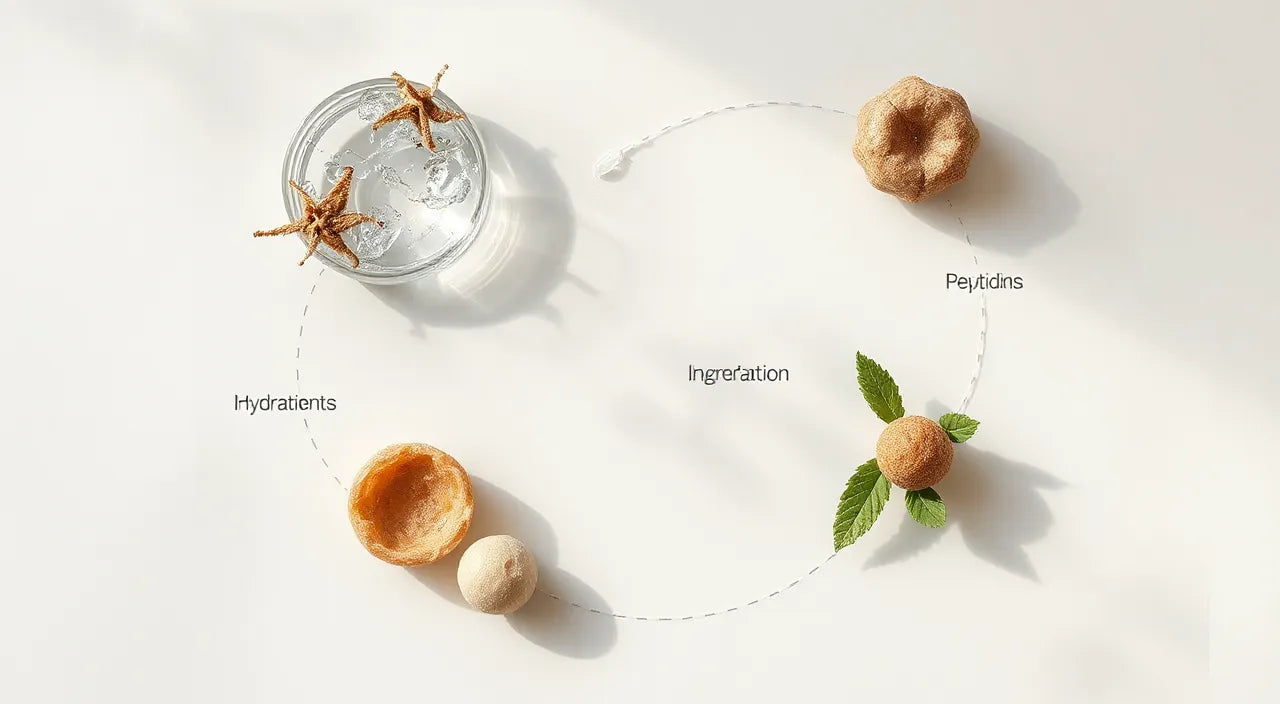
Ingredient map: hydration, antioxidants, peptides symbols
Night Routine and Layering Strategy
The effectiveness of an anti-aging night cream often depends on how you integrate it into your routine. Nighttime layering should support absorption without causing pilling, dryness, or irritation.
Step 1: Cleanse
Clean skin increases compatibility with subsequent layers. Choose a cleanser that rinses cleanly and leaves the face feeling comfortable.
Step 2: Treat if needed
If you use a serum, apply it on slightly damp skin when appropriate. This can improve comfort and reduce the risk of tightness. Keep the number of actives minimal until you know your tolerance.
Step 3: Apply the night cream
Massage gently with enough pressure to spread the product evenly but not to irritate. Focus on areas where lines appear first: cheeks, around the mouth, and the jawline.
Step 4: Consider your neck and jawline
Many people neglect the neck. The skin there can show early signs of aging. Extend application carefully to the neckline using the same amount of cream.
How much to use
A pea-sized amount for the face is a standard starting point. If your skin is dry, you may need a slightly larger portion, but avoid applying thick layers that feel heavy.
How often to use
For most formulas, nightly application is appropriate once your skin tolerates the ingredients. For stronger actives, start every other night, then progress as comfortable.
Common Mistakes to Avoid
- Using too many new products at once. When irritation occurs, it becomes difficult to identify the cause.
- Skipping sunscreen. Anti-aging creams cannot replace daytime protection. Consistent sunscreen helps reduce future damage.
- Over-exfoliating. Excessive exfoliation can lead to redness and barrier compromise, which worsens the look of fine lines.
- Applying to dry, irritated skin. If skin is inflamed, focus first on calming hydration and barrier recovery.
- Expecting immediate transformation. Texture and fine-line appearance usually improve gradually through ongoing support.
- Ignoring neck and eye area needs. The face and neck often require different textures. Eye areas may benefit from a lighter approach.
Summary & Takeaway
An anti-aging night cream can be a strategic step in a comprehensive skincare routine. Focus on hydration, barrier support, and antioxidant protection, then apply consistently using a simple layering approach. Choose a formula that matches your skin needs, start slowly with any stronger actives, and avoid routine errors that cause irritation. With disciplined application and realistic expectations, nighttime care can support a smoother, more resilient appearance over time.
Q&A Section
How long does it take to see results from an anti-aging night cream?
Many people notice comfort and improved hydration within days, while changes in texture and the look of fine lines typically become clearer over several weeks. Consistency matters more than frequent changes. If you introduce actives, evaluate tolerance first, then assess visible improvements at a steady pace.
Can an anti-aging night cream replace sunscreen?
No. Night creams can support skin quality, but they do not protect against ultraviolet exposure. Daytime sunscreen remains the most effective step for preventing further photoaging. A combined approach supports both immediate skin comfort and long-term outcomes.
What should I do if my skin feels irritated after using a night cream?
Stop using the product temporarily and return to a gentle cleanser and barrier-supporting moisturizer. Reintroduce the cream less frequently, such as every few nights, and monitor for redness, burning, or swelling. If irritation persists, discontinue use and consult a qualified dermatologist.
Is it better to use a retinoid or a peptide-based night cream?
Both can support smoother-looking skin, but they differ in intensity and tolerability. Retinoids often require gradual introduction and careful pairing with barrier support. Peptides can be well tolerated for many users, particularly when hydration is a primary concern. Your best choice depends on skin sensitivity and routine goals.
Can I layer an anti-aging night cream with other serums?
Yes, but keep layering minimal and compatible. Apply water-based serums before a thicker cream, and avoid stacking multiple strong actives at once. If you use exfoliating or brightening treatments, use them sparingly to reduce the risk of irritation.
About the Author
Cassandras Shop is dedicated to helping customers build practical, ingredient-focused routines that support healthier-looking skin. Our expertise centers on skincare education, formulation awareness, and guidance for choosing products that match individual needs. Thank you for reading, and we encourage you to treat nighttime care as a consistent habit rather than a quick fix.
Disclaimer: This article is for educational purposes only and does not provide medical advice. Individual skin reactions vary. If you have a medical condition, active irritation, or persistent concerns, consult a qualified healthcare professional before changing your skincare routine.
The content in this blog post is intended for general information purposes only. It should not be considered as professional, medical, or legal advice. For specific guidance related to your situation, please consult a qualified professional. The store does not assume responsibility for any decisions made based on this information.