Animal Print Aprons: Styling Tips That Wow Every Day
Cassandras ShopUpdated on: 2026-07-11
Animal print aprons bring confident style to everyday cooking, baking, and craft work. They help you look polished while protecting clothing from splashes and messes. Many designs also add visual contrast that elevates a home workspace or studio corner. With the right fabric, fit, and care routine, these aprons can remain a dependable, long-term accessory.
Myths vs. Facts
-
Myth: Animal print aprons are only for themed parties.
Fact: They function as practical workwear with a bold, everyday aesthetic. When paired with neutral kitchen items, they fit naturally into daily routines. -
Myth: Bold patterns reduce usefulness.
Fact: Pattern and color can actually help hide minor stains and small splatters, especially in high-traffic cooking areas. -
Myth: These aprons are difficult to care for.
Fact: Proper fabric selection and gentle washing habits maintain color clarity and shape. Care instructions vary by material, but best practices are consistent.
Step-by-Step Guide
Choosing animal print aprons is easier when you evaluate your needs first. Follow this process to select an option that performs in real work while staying visually cohesive.
-
Define your primary use. Decide if you need coverage for cooking, baking, grill work, or studio tasks. Your routine determines the level of coverage and pocket placement that matters most.
-
Choose a pattern intensity. Consider whether you want a subtle look with small motifs or a high-impact statement with stronger contrast. Match the apron to how you dress in the workspace.
-
Select the fabric category. Prioritize breathable comfort for kitchen time and durable performance for frequent use. Fabric also affects how the apron drapes when worn.
-
Check the fit and tie system. Look for a neck tie and waist tie that allow adjustment. Secure ties reduce shifting during active tasks.
-
Confirm practical features. Evaluate pocket size, reach, and placement. A well-designed pocket helps keep tools accessible without causing clutter.
-
Plan your color pairing. Identify existing neutrals in your kitchen or craft space. Choose an apron that complements them instead of competing for attention.
-
Test movement. If the apron covers the torso well, it should allow comfortable arm movement. Ensure it does not pull at the neck during bending.
How to Style and Coordinate
Animal print aprons work best when you treat them as a styling anchor. The pattern can add character to an otherwise simple workspace. To keep the look intentional, use a few repeatable styling rules.
-
Pair with solid basics. Use monochrome tops, plain dish towels, or neutral storage containers. Solid pieces let the apron pattern remain the focal point.
-
Coordinate tones, not just colors. If your apron has warm undertones, choose kitchen textiles in cream, tan, or caramel shades. If it leans cool, opt for gray or charcoal accents.
-
Keep accessories minimal. When the apron is visually busy, select fewer accessories. One cohesive element such as a matching utensil holder is usually enough.
-
Use layering for depth. A light cardigan or simple long-sleeve top under the apron can create structure without competing with the print.
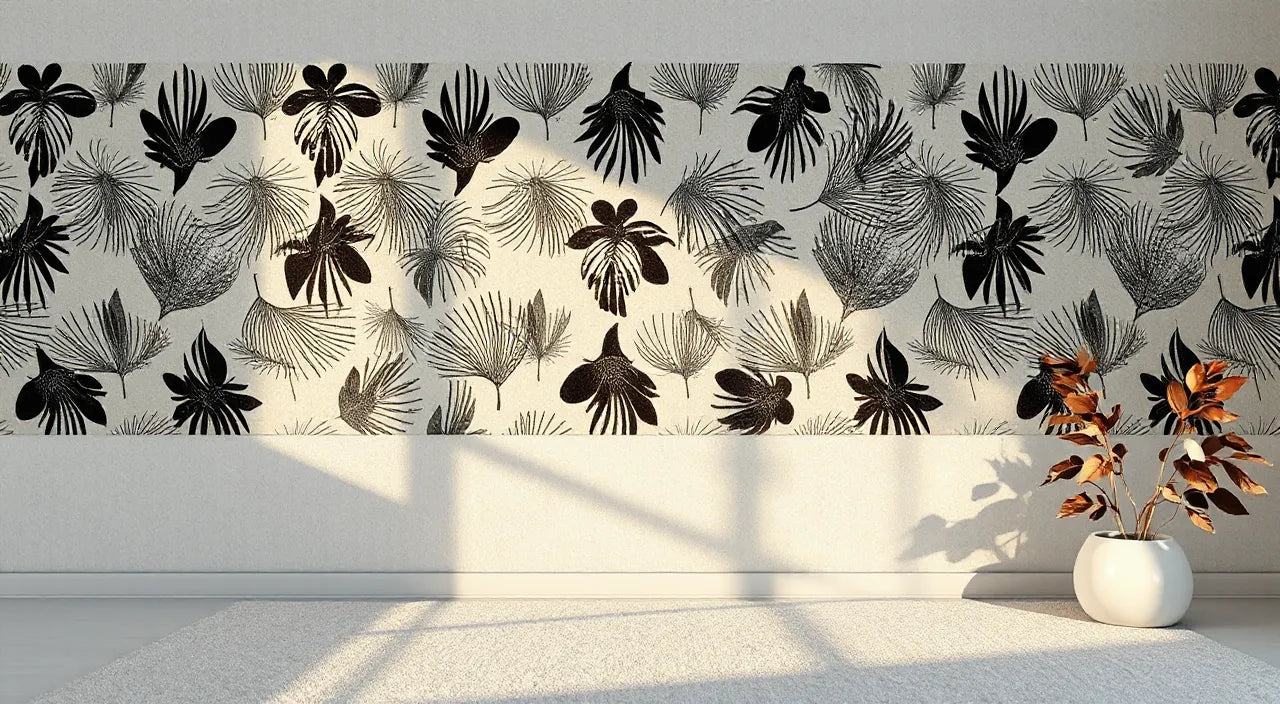
Bold pattern contrasted with neutral workspace textiles
For gifting, animal print aprons are a reliable choice because they blend practicality with visible personality. Many people enjoy a style statement that still functions daily. When you match the apron to a person’s typical wardrobe colors, you improve the chance of long-term use.
If you want to extend the theme beyond the kitchen, consider complementary décor in similar color families. For example, the warm tones and textured visual energy in animal-inspired home accents can harmonize with the apron’s design language. If you are looking for inspiration for a coordinated home environment, you can explore decor ideas with a woodland mood.
Materials, Fit, and Feature Checklist
A durable apron should feel comfortable and dependable. When shoppers select animal print aprons, the decision often comes down to three performance areas: fabric behavior, fit stability, and functional design.
Fabric behavior
Breathability: You want airflow during active cooking or baking. Breathable materials reduce heat buildup.
Surface resilience: Look for fabrics that resist wear from frequent washing and daily friction.
Color retention: Patterns remain attractive when the fabric holds dye well and cleaning does not dull the design.
Fit stability
Neck comfort: Adjustable neck ties help prevent strain and improve posture during work.
Waist coverage: A secure waist tie keeps the apron from shifting while stirring, lifting, or prepping ingredients.
Movement range: Ensure the apron allows natural arm movement without pulling across the torso.
Functional design
Pocket placement: A front pocket supports quick access for tools, pens, or small craft items.
Coverage length: Longer coverage can protect clothing more effectively during splashes and spills.
Ease of use: If the apron ties securely and lies flat, it will be more likely to be worn consistently.
As a simple benchmark, a quality apron should look good even after repeated use. Pattern clarity matters because animal print aprons are often purchased for their visual impact. Durable construction also helps the apron keep shape and maintain clean edges.
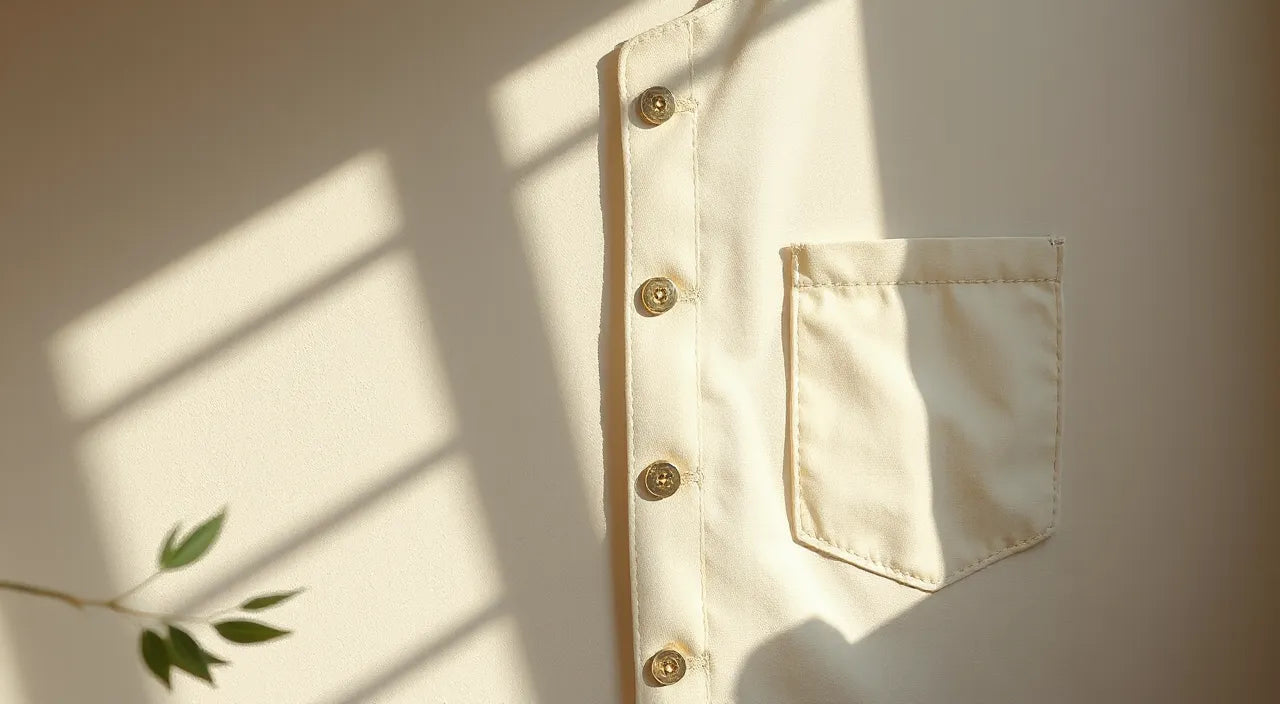
Adjustable ties and pocket silhouette for practical coverage
Care and Maintenance
Care routines protect both the fabric and the visual quality. You do not need complex steps. You need consistent habits that match the apron material.
Washing best practices
Check the care label first. It provides the safest temperature and drying guidance for your specific fabric.
Wash gently when possible. A gentle cycle helps preserve the pattern and reduces wear at the seams.
Use mild detergent. Harsh detergents can fade prints over time.
Air dry when recommended. Air drying can preserve color and reduce shrinkage risk.
Stain management
Handling stains quickly improves outcomes. Blot fresh spills, then rinse with cool water when appropriate. Avoid aggressive scrubbing that can roughen fabric fibers. For set-in marks, gentle pre-treatment using a mild approach is usually effective.
Storage and longevity
Store flat or carefully folded. This reduces creasing that can stress the fabric.
Keep ties untangled. Neatly stored ties maintain their shape and prevent knotting stress.
When you treat your apron as reliable workwear, animal print aprons can remain part of your routine for a long time. With proper care, the print maintains its clarity and the fabric continues to provide coverage.
Frequently Asked Questions
Are animal print aprons appropriate for everyday cooking?
Yes. They are practical and can be styled to match a wide range of kitchen aesthetics. When paired with solid-colored textiles, they look intentional rather than costume-like.
What should I look for in an apron for frequent use?
Prioritize comfort, stable tie systems, and durable fabric. Pocket placement and adequate coverage also improve day-to-day usability.
How do I prevent fading on patterned aprons?
Follow the care instructions, use mild detergent, and avoid high-heat drying when the label discourages it. Air drying and gentle washing typically preserve color longer.
Summary & Key Takeaways
Animal print aprons combine style and function in a way that suits cooking, baking, and creative projects. Selecting the right fabric, a secure fit, and practical features improves performance every time you wear it. Care routines that focus on gentle cleaning and proper drying help keep the pattern looking crisp. If you are ready to refresh your workspace with confident design, consider choosing a pattern that matches your existing colors and daily routines.
Q&A Section
Which animal print style is easiest to match in a kitchen?
Moderate contrast patterns are often the easiest to coordinate. They blend well with common neutrals such as cream, tan, gray, and black. If you prefer flexibility, choose a pattern with tones already present in your existing textiles and cookware.
Do these aprons work for baking and grilling tasks?
They can be suitable for both, especially when the apron provides comfortable coverage and reliable tie support. For grilling tasks, additional attention to fabric resilience and secure fastening can improve day-to-day confidence.
Can an animal print apron serve as a gift for someone with varied tastes?
Yes, because the style reads as bold but versatile. Choose an apron with tones that align with the recipient’s wardrobe colors. For a safer match, select a print that is not overly bright and pair it with neutral accessories.
How do I choose between subtle and statement patterns?
If you want a dependable everyday option, subtle motifs usually blend into routines. If you want the apron to be the visual focal point during cooking, a higher-contrast design can create a stronger style impact.
How often should I wash my apron?
Wash after regular cooking sessions or when the fabric shows visible mess. Frequent, gentle cleaning helps maintain freshness and reduces long-term buildup of residue that can affect appearance.
About the Author
Cassandras Shop is a home and lifestyle focused brand with expertise in practical styling and durable everyday accessories. The team emphasizes thoughtful material choices, fit considerations, and care guidance that support long-term use. If you want your workspace to look refined while staying functional, you are in the right place. Thank you for reading and for choosing quality design that supports your daily routine.
The content in this blog post is intended for general information purposes only. It should not be considered as professional, medical, or legal advice. For specific guidance related to your situation, please consult a qualified professional. The store does not assume responsibility for any decisions made based on this information.