A Practical Guide to Stylish Kitchen Essentials for Cooks
Cassandras ShopUpdated on: April 10, 2026
Creating a functional and beautiful kitchen requires thoughtful selection of quality items that combine practicality with aesthetic appeal. Stylish kitchen essentials elevate everyday cooking experiences while enhancing your culinary space. This comprehensive guide explores the most important tools, storage solutions, and decorative elements that transform any kitchen into an efficient and inviting environment. Whether you are updating a single room or redesigning your entire cooking area, understanding which items matter most ensures smart purchasing decisions and lasting satisfaction.
Table of Contents
- Did You Know?
- Comparison: Pros and Cons
- Buyer's Checklist
- Final Thoughts and Advice
- Questions and Answers
- About the Author
Introduction to Stylish Kitchen Essentials
The modern kitchen serves as more than a space for meal preparation. It functions as a gathering place, a creative outlet, and a reflection of personal style. Selecting the right kitchen essentials requires balancing functionality with visual appeal. Quality items enhance efficiency while contributing to an organized, attractive environment. Many homeowners overlook how thoughtful selections in cookware, storage, and accessories can dramatically improve their daily kitchen experience. Understanding which products deliver both performance and beauty helps you make confident purchasing decisions that align with your lifestyle and design preferences.
Did You Know?
- The average person spends approximately 67 hours per year in kitchen activities, making the quality of kitchen tools directly impact daily satisfaction and efficiency.
- Well-organized kitchens with proper storage solutions can increase productivity by up to 30 percent according to home organization studies.
- Investing in durable, stylish kitchen items can enhance property resale value and appeal to prospective buyers evaluating homes.
- Non-stick cookware requires specific care and maintenance to preserve its protective coating and extend its functional lifespan.
- Contemporary kitchen design trends increasingly emphasize multifunctional items that serve practical purposes while adding visual interest to culinary spaces.
- Proper kitchen lighting combined with quality accessories can make food preparation safer, more enjoyable, and visually appealing.
Essential Cooking Tools and Cookware
Quality cookware forms the foundation of any functional kitchen. Stainless steel, cast iron, and ceramic options each offer distinct advantages for different cooking methods. Stainless steel provides durability and versatility, handling high heat and allowing for various cooking techniques. Cast iron pieces develop seasoning over time, creating natural non-stick surfaces while distributing heat evenly. Ceramic cookware offers a modern aesthetic while providing reliable cooking performance without harmful chemical coatings.
Beyond pots and pans, essential cooking utensils deserve equal attention. Wooden spoons, silicone spatulas, and stainless steel tongs represent fundamental tools that simplify food preparation. A sharp chef's knife reduces preparation time significantly and creates safer cutting experiences. Quality measuring cups and spoons ensure recipe accuracy and consistent results. These foundational items work together to create an efficient cooking environment that supports creativity and confidence in the kitchen.
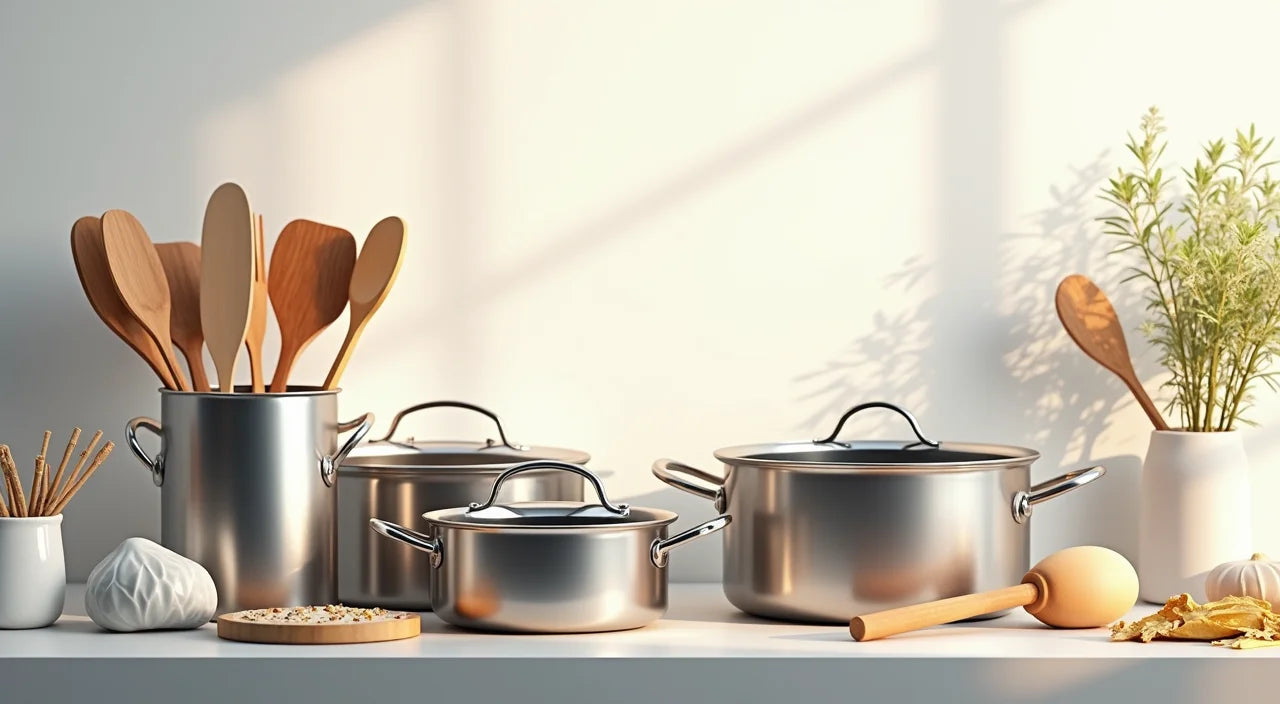
Assorted stainless steel pots, ceramic cookware, and wooden utensils arranged on kitchen counter with natural lighting
Storage Solutions and Organization Systems
Organization directly impacts kitchen functionality and visual appeal. Modern storage solutions range from traditional cabinets to innovative drawer systems and open shelving displays. Clear glass containers allow quick identification of pantry contents while maintaining a neat appearance. Magnetic strips mounted on walls store knives safely while keeping them accessible. Pull-out drawers and tiered storage systems maximize vertical space efficiently.
Proper organization reduces food waste, minimizes cooking time, and creates a calm, inviting atmosphere. Labeled containers help family members locate ingredients quickly and maintain inventory awareness. Drawer dividers organize utensils logically, preventing cluttered chaos in working areas. Wall-mounted racks display frequently used items while freeing valuable counter and cabinet space. These systematic approaches transform kitchens from cramped, disorganized areas into streamlined spaces that inspire confidence and creativity.
Comparison: Pros and Cons
Stainless Steel Cookware
- Pros: Extremely durable, works with all cooktop types including induction, resists staining, dishwasher safe, maintains appearance for years.
- Cons: Requires proper technique to prevent food sticking, heavier than some alternatives, reflects fingerprints noticeably.
Cast Iron Cookware
- Pros: Distributes heat evenly, improves with age and seasoning, affordable, retains temperature effectively, works on all heat sources.
- Cons: Requires regular maintenance and seasoning, heavier to handle, susceptible to rust without proper care, longer preheating time.
Ceramic Non-Stick Cookware
- Pros: Non-toxic coating, lightweight, heats quickly, visually attractive, suitable for low-fat cooking, easy to clean.
- Cons: Non-stick coating diminishes with time, limited high-heat capability, can chip if mishandled, less durable than alternatives.
Open Shelving Storage
- Pros: Creates open, spacious visual appearance, provides easy access to frequently used items, displays attractive pieces effectively.
- Cons: Requires constant organization and cleanliness, accumulates dust on exposed items, limits storage capacity for busy households.
Closed Cabinet Storage
- Pros: Conceals clutter, protects contents from dust, maximizes storage capacity, maintains organized appearance regardless of contents.
- Cons: Requires organization systems inside, reduces quick access to items, takes up wall space, limits visual interest.
Aesthetic Elements and Decorative Accessories
Kitchen aesthetics extend beyond pure functionality. Thoughtfully selected decorative items add personality while maintaining practical purposes. Quality towels in coordinating colors brighten the space while serving functional needs. Small plants or herbs in attractive containers introduce natural elements and fresh fragrance. Decorative bowls, canisters, and serving pieces add visual interest while remaining practical for daily use.
Lighting represents another crucial aesthetic and functional element. Under-cabinet lighting improves visibility during food preparation while creating ambient atmosphere. Pendant lights above islands serve both illumination and design purposes. Open shelving paired with attractive glassware and serving dishes creates gallery-like displays that elevate everyday kitchen experiences. These carefully chosen elements work together to craft spaces that feel both beautiful and welcoming.
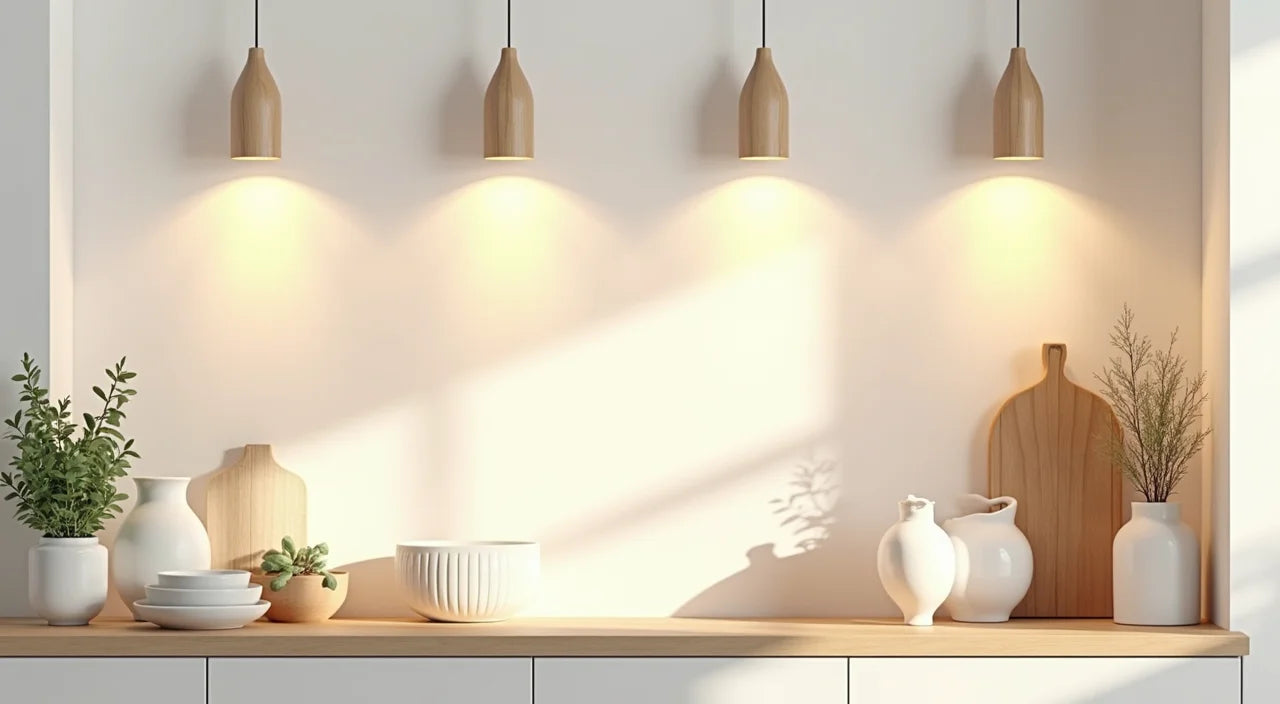
Minimalist kitchen display featuring white ceramic vessels, hanging herbs, and warm pendant lighting creating inviting atmosphere
Smart Kitchen Technology and Modern Solutions
Contemporary kitchens increasingly incorporate technology that enhances efficiency and convenience. Digital scales provide precise measurements for baking and cooking accuracy. Programmable slow cookers allow meal preparation to happen while you attend other activities. Smart storage containers with expiration date tracking help reduce food waste and maintain freshness awareness. These innovations integrate seamlessly into stylish kitchens when selected with design consciousness alongside functionality.
Quality kitchen gadgets deserve careful selection. Multi-use appliances like food processors handle numerous tasks efficiently, reducing cluttered countertops. Immersion blenders offer versatility for soups, sauces, and beverages in compact forms. Quality knife sharpeners maintain your tools' cutting edges effectively. When chosen thoughtfully, these items enhance capabilities without overwhelming your space or aesthetic vision.
Buyer's Checklist
Before purchasing kitchen essentials, consider these important factors to ensure smart investments:
- Assess your cooking style and frequency to determine which items deserve priority investment.
- Measure your kitchen space carefully to ensure new items fit appropriately without overcrowding.
- Evaluate material quality and durability ratings to understand long-term value and performance expectations.
- Consider your kitchen's existing color palette and design style for cohesive aesthetic choices.
- Research brand reputation and customer reviews before making significant purchases.
- Determine storage capacity and organization systems needed for your household size and cooking habits.
- Set a realistic budget that balances quality with financial responsibility for your situation.
- Prioritize versatile items that serve multiple purposes and reduce kitchen clutter.
- Check warranty information and return policies before finalizing purchases.
- Consider maintenance requirements and whether they align with your lifestyle and available time.
- Evaluate energy efficiency for appliances to understand long-term utility cost impacts.
- Ensure items work with your existing cooktop type, especially for induction-compatible cookware.
Creating Your Perfect Kitchen Environment
Designing a kitchen that combines functionality with style requires thoughtful planning and strategic selections. Begin by identifying your most-used items and ensuring they remain easily accessible. Invest in quality basics rather than numerous gadgets that occupy space without serving regular purposes. As mentioned in our resource on portable kitchen solutions, having the right items in the right places dramatically improves efficiency.
Storage organization significantly impacts kitchen satisfaction. Grouping similar items together makes inventory management simpler and meal planning more efficient. Clear labeling systems help every household member understand where items belong. Rotating seasonal items prevents cluttered storage areas while keeping essential pieces immediately accessible. These organizational approaches transform kitchens from stressful spaces into calm, efficient environments where cooking becomes a genuine pleasure.
Final Thoughts and Advice
Building a kitchen filled with stylish essentials requires balancing practical functionality with aesthetic preferences. Begin with foundational cookware and utensils that support your cooking style, then gradually add pieces that enhance both capability and visual appeal. Quality items typically outlast budget alternatives, ultimately providing better long-term value despite higher initial costs. Take time to understand your specific needs rather than purchasing everything recommended by trend-focused sources.
Remember that beautiful kitchens reflect personal style while remaining functional for daily use. Do not feel pressured to purchase items because they appear in popular kitchen design magazines if they do not align with your lifestyle. Invest strategically in pieces you will use regularly and genuinely enjoy. Organize your items thoughtfully to maximize efficiency and minimize stress during food preparation. Your kitchen should feel like a welcoming space that inspires creativity and supports your unique culinary journey. With intentional selections and thoughtful organization, you can create a kitchen that brings daily satisfaction and joy.
Frequently Asked Questions About Kitchen Essentials
What cookware type works best for beginners?
Stainless steel cookware represents the ideal choice for beginning cooks because it works with all cooktop types, handles various cooking techniques, and requires minimal maintenance compared to cast iron. Stainless steel pieces develop seasoning naturally over time while delivering reliable performance from day one. For those interested in exploring options, quality decorative items can enhance your kitchen's visual appeal alongside functional cookware selections.
How can I maximize storage in a small kitchen?
Vertical storage solutions provide the most effective approach for limited kitchen spaces. Install wall-mounted shelving, magnetic knife strips, and hanging racks to utilize overlooked areas. Use drawer dividers and tiered cabinet organizers to maximize every inch of existing storage. Clear containers allow quick ingredient identification without opening multiple cabinets. Multifunctional items that serve dual purposes reduce the overall number of pieces requiring storage space.
Should I invest in expensive kitchen gadgets?
Expensive gadgets only merit investment if you will use them regularly and they genuinely improve your cooking experience. Single-purpose appliances that sit unused represent wasted resources. Instead, prioritize quality basics and versatile tools that address your specific cooking needs. Research thoroughly before purchasing expensive items and consider whether simpler alternatives might serve identical purposes. Many accomplished cooks achieve excellent results with a modest collection of well-chosen essentials rather than extensive gadget collections.
How often should kitchen items be replaced?
Quality cookware typically lasts 10 to 20 years with proper care and maintenance. Non-stick coatings generally require replacement every 5 to 10 years as their effectiveness diminishes. Knives should be professionally sharpened annually or more frequently depending on usage intensity. Storage containers and organizational systems may need updates as your household needs change. Regular inspection helps identify items that no longer serve their intended purposes effectively, allowing strategic replacements rather than unnecessary replacements of still-functional pieces.
What materials are safest for cooking and food storage?
Stainless steel, ceramic, and cast iron represent the safest cooking materials without harmful chemical coatings or leaching concerns. Glass containers provide safe food storage options that do not absorb odors or stains. Look for ceramics labeled as food-safe without lead or cadmium content. Avoid plastic storage containers if possible, especially for hot foods or long-term storage situations. Always verify that any items contacting food meet relevant safety standards and food-grade certifications.
How do I choose between open and closed kitchen storage?
Open shelving works best for frequently used items that remain visually attractive and require easy access. Closed cabinets protect contents from dust while hiding clutter effectively. Many modern kitchens combine both approaches, using open shelves for attractive pieces and closed storage for frequently used daily items. Your choice should reflect your household organization style and whether you genuinely maintain the cleanliness required for open displays. Thoughtful decorative selections enhance both storage approaches when chosen strategically.
About the Author
Author Bio
Sarah Mitchell brings over eight years of experience in kitchen design and home organization to Cassandras Shop. Her passion for creating functional, beautiful culinary spaces guides every recommendation and suggestion she offers to readers. Sarah combines practical expertise gained through countless kitchen renovations with genuine enthusiasm for helping others discover the joy of well-organized, inviting kitchens. When not writing about kitchen essentials, she enjoys experimenting with new recipes and exploring innovative storage solutions in her own home.
The content in this blog post is intended for general information purposes only. It should not be considered as professional, medical, or legal advice. For specific guidance related to your situation, please consult a qualified professional. The store does not assume responsibility for any decisions made based on this information.